Top Emergency Plumbers in Stonybrook, PA, 17402 | Compare & Call

There are 165 plumbing companies server in Stonybrook PA

Hi, I'm Jim Morrow, owner-operator of James Morrow Electrician. My passion for electrical work started in 9th grade shop class—I wasn't just satisfied to see a light turn on; I needed to understand th...

Lowry Services
Lowry Services has been a trusted home services provider in Harleysville and Southeast Pennsylvania since 1980. Founded by Steve Lowry with just one truck, the company has grown into a comprehensive t...
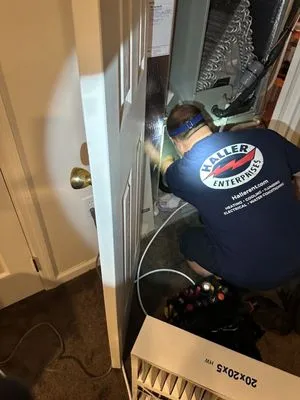
Haller Enterprises
Founded in Lititz in 1981 by Rick Haller, Haller Enterprises has grown from a one-man operation into a trusted local provider with nearly 400 employees, serving Pennsylvania and beyond. With five bran...

Arrow Plumbing & Mechanical
Arrow Plumbing & Mechanical is a family-owned plumbing service founded in Denver, PA, in 2006 by Master Plumber Tim. With over 25 years of experience, Tim started the company to offer residents of Lan...
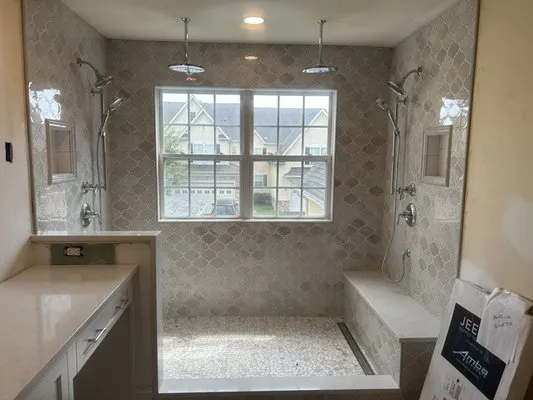
Mountain Top Mechanical is a trusted plumbing service provider for Reinholds, PA, and the surrounding communities. We understand the local challenges homeowners face, particularly with basement floodi...
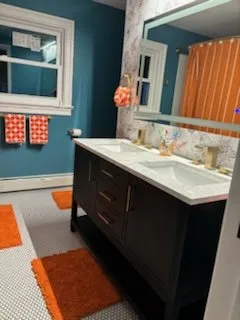
Coss & Sons Home Services is a family-owned and operated business dedicated to serving the homeowners of Elizabethtown and surrounding Lancaster County. We specialize in a comprehensive range of home ...
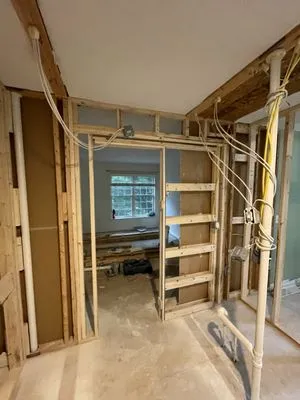
Kort’s General Contracting & Home Improvement
Kort's General Contracting & Home Improvement is your trusted local contractor in Akron, PA, providing comprehensive home renovation and repair services. We specialize in everything from kitchen and b...
American Home Repairs & Installations
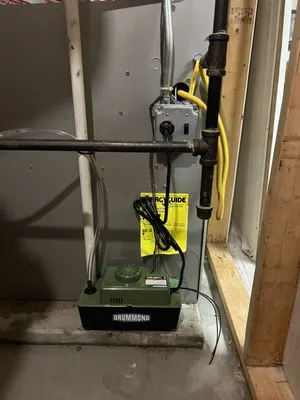
American Home Repairs & Installations is your trusted local home service provider in East York, PA. We understand that a happy home is a functional one, which is why we focus on getting the job done r...

1776 Plumbing & Drains
1776 Plumbing & Drains is a locally owned and operated plumbing company serving Shermans Dale and all of Central Pennsylvania. Our team brings over 50 years of combined hands-on experience to every jo...
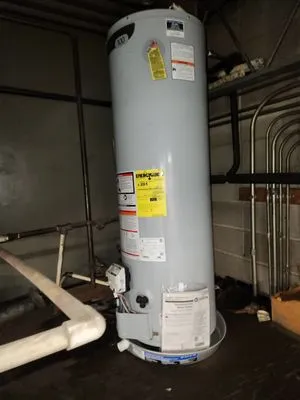
Advanced Plumbing Solutions is your trusted, licensed plumbing expert serving York, PA, and the surrounding communities. We understand the common frustrations local homeowners face, from persistent to...
Estimated Plumbing Costs in Stonybrook, PA
Questions and Answers
My Stonybrook Estates home was built in the 1970s - should I be worried about my plumbing?
Copper pipes installed around 1976 are now 50 years old. At this age, homeowners in Stonybrook Estates often notice pinhole leaks appearing in straight pipe sections, especially near elbows and joints where water turbulence accelerates wear. The original solder joints from that era contain higher lead content than modern standards, which can become brittle and fail. Many neighbors are scheduling whole-house repipes or at minimum having a professional pressure test and inspection.
As a suburban homeowner, what unique plumbing concerns should I watch for?
Suburban Stonybrook homes connect to municipal water systems that maintain consistent pressure, which is generally good but can exacerbate small leaks in aging pipes. The most common issue involves tree roots infiltrating sewer laterals where your property line meets the main municipal line. Unlike rural properties with wells and septic systems, you'll want to monitor your water meter for unexplained usage increases and schedule regular camera inspections of your lateral line every 3-5 years.
Could my home's hillside location cause drainage issues?
Hilly terrain around York County Heritage Rail Trail creates significant slope stress on main sewer lines. Gravity forces wastewater downhill at increased velocity, which can scour pipe interiors and accelerate wear at joints. The soil composition in these areas often shifts with seasonal moisture changes, putting lateral stress on buried pipes. Properly installed cleanouts at elevation changes are essential for maintenance access when roots or debris accumulate in low sections.
Why do my copper pipes keep developing small leaks?
Copper pipes from 1976 often fail due to pinhole leaks caused by micro-galvanic corrosion. The copper interacts with minerals in our hard water, creating tiny holes that start as discolored spots before penetrating the pipe wall. Joint calcification is another common issue where mineral deposits build up at solder connections, creating stress points that eventually crack. These failures typically appear first in hot water lines where thermal expansion accelerates the process.
What permits do I need for plumbing work in Springettsbury Township?
Springettsbury Township Building and Zoning Department requires permits for any plumbing work beyond basic repairs, including water heater replacements, repipes, and fixture installations. As a Pennsylvania Department of Labor and Industry licensed master plumber, I handle all permit applications, inspections, and compliance documentation. This ensures your project meets current code requirements for safety and resale value while protecting you from potential fines or insurance complications.
Does Susquehanna River water damage my plumbing fixtures?
Water drawn from the Susquehanna River contains high mineral content that creates hard water scaling throughout your plumbing system. This scale buildup insulates water heater elements, forcing them to work harder and shortening their lifespan by 3-5 years. Fixtures like showerheads and faucet aerators clog with calcium deposits every 6-12 months, reducing water pressure and flow. Installing a whole-house water softener can significantly extend the life of your plumbing hardware.
How quickly can a plumber reach my home in Stonybrook?
Heading past York County Heritage Rail Trail on I-83, most service calls in Stonybrook take 25-35 minutes from dispatch. The rail trail provides a clear landmark for navigation, and I-83 offers direct access to both residential areas and commercial zones. This routing avoids downtown congestion while maintaining efficient response times across Springettsbury Township.
What should I do before spring thaw to prevent plumbing problems?
Before temperatures rise above freezing, disconnect and drain all outdoor hoses to prevent backflow into your interior pipes. Insulate exposed pipes in crawl spaces and basements, as our 22°F winter lows can cause residual freezing even during thaw periods. Check your main water shutoff valve for smooth operation - spring thaw often reveals valves that have seized over winter. These steps prevent the most common emergency calls during temperature transitions.
