Top Emergency Plumbers in State Line, PA, 17225 | Compare & Call

There are 67 plumbing companies server in State Line PA
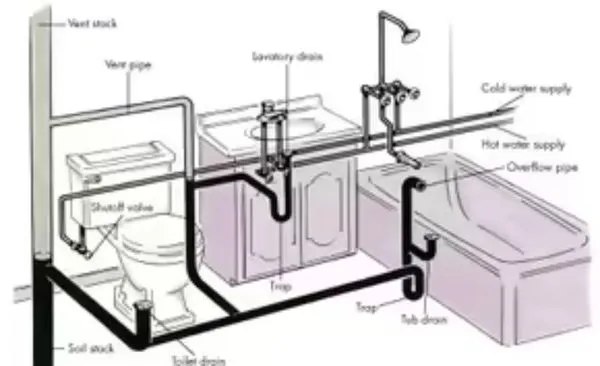
At Cooks Plumbing in Purcellville, our journey began with founder Jim Cook, who envisioned a plumbing service built on trust, integrity, and a genuine commitment to our neighbors. We started with a st...
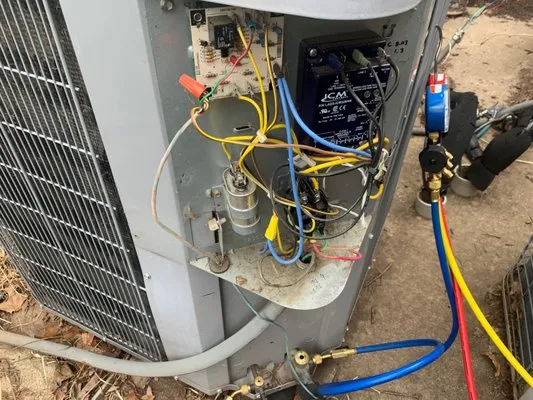
Tri-State Masters Contracting has been a trusted name for HVAC and plumbing services in Vienna, VA, and throughout the DC metro area for over four decades. Founded by David, a mechanical engineer hold...

Turn Key Cabinetry & More is a trusted local business in Harpers Ferry, WV, specializing in custom cabinet construction and plumbing inspection services. Many homes in the area face common plumbing is...

1776 Plumbing & Drains
1776 Plumbing & Drains is a locally owned and operated plumbing company serving Shermans Dale and all of Central Pennsylvania. Our team brings over 50 years of combined hands-on experience to every jo...
24/7 Drain Cleaning & Plumbing provides reliable emergency plumbing and drain services to New Cumberland, PA, and surrounding Central Pennsylvania communities. We specialize in 24/7 drain cleaning, re...
Tuckey Mechanical Services
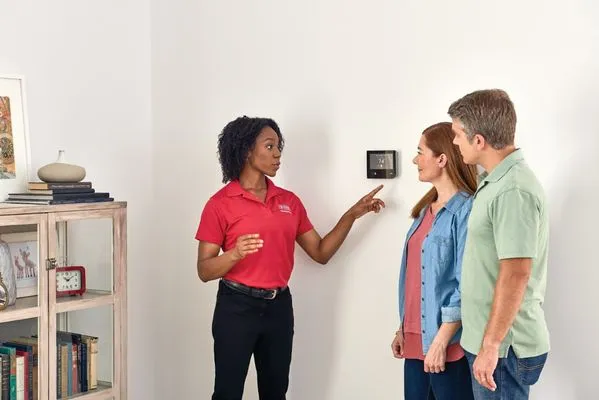
Tuckey Mechanical Services has been serving Central Pennsylvania since 1968, originally founded as Frank Black Mechanical Services. After being purchased by Denver Tuckey in 1981 and incorporated by K...
M&T Mechanical Services
M&T Mechanical Services is your local Mount Union expert for plumbing and electrical repairs and installations. Serving our community, we specialize in addressing common regional problems like frozen ...
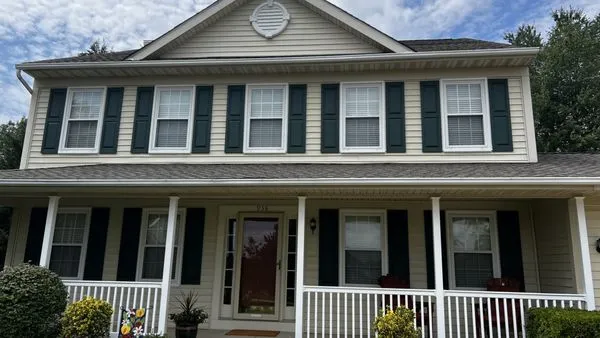
Naldo's Handy Services is a trusted local handyman business in Chambersburg, PA, owned and operated by Leonardo with 8 years of experience as an independent contractor. Leonardo approaches every job w...
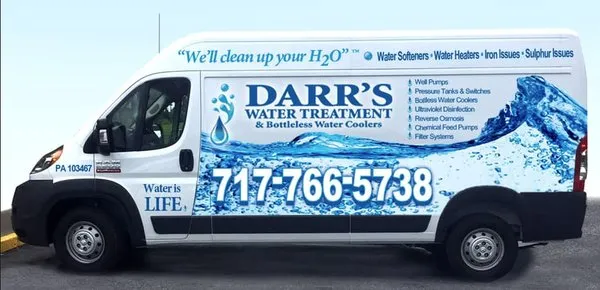
Darr's Water Treatment
Darr's Water Treatment is a trusted, family-oriented local business serving New Kingstown, PA, and surrounding Cumberland, Dauphin, Adams, York, and Perry counties. We specialize in making your water ...

For over 20 years, Old Glory Plumbing has been the trusted local plumbing expert for Bedford County. As a family-owned and operated business led by a Licensed Master Plumber, we bring two decades of r...
Estimated Plumbing Costs in State Line, PA
Frequently Asked Questions
How long does it take for a plumber to get to State Line, PA?
Heading past the Mason-Dixon Line Marker on I-81 is the main route for a service dispatch. From there, it's a matter of navigating the local township roads. For most calls in State Line or State Line Village, you can expect a service vehicle within 45 to 60 minutes, depending on the specific location off the highway.
Why are my copper pipes springing pinhole leaks?
Copper pipe installed in 1977 has endured decades of water flow and chemical interaction. The primary failure at this stage is pinhole leaks caused by a form of internal corrosion called Type 1 pitting. This is often accelerated by our local water chemistry. These leaks typically start in hot water lines first and are a systemic issue, not just a single bad spot.
How long do copper pipes last in a 1977 home?
The copper plumbing in State Line homes built around 1977 is now about 49 years old. That's the age where pinhole leaks start appearing, often in horizontal runs under floors or behind walls. You might notice a small, persistent drip, a drop in water pressure, or a faint green or blue stain around a pipe joint. These leaks are a sign of internal corrosion and will only get worse with time.
Can hilly land cause plumbing problems?
The hilly terrain around the Mason-Dixon Line affects drainage and pipe stress. A home built on a slope may have a sewer main that runs partially uphill, relying on gravity, which can lead to slow drains or backups if the pitch is off. The soil movement common in these areas also puts constant, shifting stress on buried water service lines and sewer laterals, which can cause joints to fail.
Are there special considerations for plumbing in a rural area like State Line Village?
Homes here rely on private wells and septic systems, which operate independently from municipal utilities. Well pump pressure needs to be correctly calibrated, and the septic tank requires regular pumping to prevent a backup into the home. Any plumbing work must account for this closed system, as a problem with the well pump or septic field directly impacts your home's sanitation.
Does hard well water damage my plumbing fixtures?
Hard water from private wells deposits mineral scale inside pipes and appliances. Inside a water heater, this scale acts as an insulator, forcing the unit to work harder and shortening its lifespan. On fixtures, it builds up around aerators and valve seats, reducing flow and causing premature wear. A water softener isn't just for cleaning; it's a protective measure for your entire plumbing system.
What's the best way to prepare my plumbing for a State Line winter?
Our average winter lows around 22°F mean exposed pipes in crawl spaces or against exterior walls are at risk. The real danger period is the spring thaw, when ground shifts can stress already cold-contracted pipes. A pro-tip is to disconnect and drain outdoor hoses before the first hard freeze and to insulate any pipes in unheated areas like garages or basements.
Do I need a permit to replace my water heater in Antrim Township?
Yes, most major plumbing work like water heater replacement requires an Antrim Township building permit. As a Pennsylvania-licensed master plumber, I handle that paperwork and ensure the installation meets all current Pennsylvania Department of Labor and Industry codes. This process protects your home's value and ensures the work is inspected for safety.
