Top Emergency Plumbers in Springville, PA, 18419 | Compare & Call

There are 19 plumbing companies server in Springville PA

Ron's Handyman Service in Wysox, PA, provides reliable home maintenance and repair solutions for local residents. With expertise spanning appliance installation, plumbing, electrical work, drywall, pa...
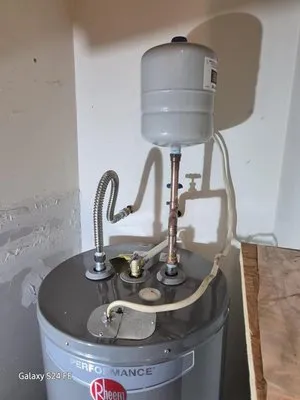
Plumbdogs is Scranton's trusted, family-run plumbing and HVAC company. Founded by local expert Candan Altuner, our team combines extensive hands-on experience with a genuine commitment to the communit...
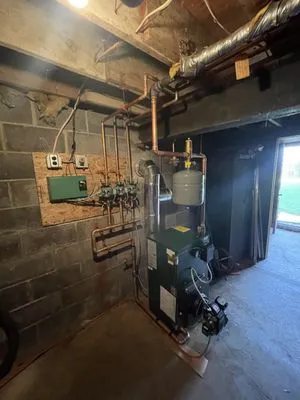
Keystone Nepa Plumbing and Heating is a trusted, full-service provider serving Carbondale and surrounding NEPA communities. We offer comprehensive plumbing, heating, and HVAC solutions, from emergency...
C.S. Ashley Plumbing Company is a local, owner-operated plumbing and HVAC service serving New Milford, PA, and the greater Binghamton area. As a Licensed Master Plumber with over two decades of hands-...
Trinity Handyman Services is a trusted local provider in Montrose, PA, offering comprehensive home maintenance and repair solutions. With expertise spanning appliance installation and repair, plumbing...
NEPA Handyman serves homeowners and businesses in Montrose, PA, providing reliable repair and installation services to keep local properties functioning smoothly. Many Montrose homes face common issue...
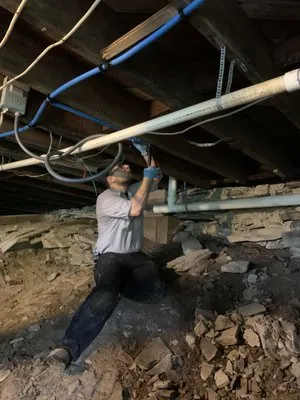
Apricity Mechanical
Apricity Mechanical is a trusted local appliance and plumbing service provider based in Chinchilla, PA, offering comprehensive solutions for homeowners. With expertise in appliance repair, installatio...
Primo Sewer Cleaning
Primo Sewer Cleaning is a trusted, locally owned plumbing company serving Dickson City and Northeast Pennsylvania. With over a decade of experience, we specialize in sewer and drain cleaning, hydro-je...
Clancy's Plumbing Heating & Air is Honesdale's trusted, full-service home comfort specialist. We understand the specific challenges local homeowners face, from sump pump failures during heavy rains to...
Vanderstad Drain Cleaning and Plumbing Repairs
Vanderstad Drain Cleaning and Plumbing Repairs is a trusted local plumbing and HVAC service provider in Waymart, PA. Founded by an experienced professional who previously worked for Roto Rooter, the b...
Estimated Plumbing Costs in Springville, PA
Common Questions
Why do my copper pipes keep getting pinhole leaks?
Copper pipes from that era can develop pinhole leaks due to a combination of age and local water chemistry. After nearly five decades, the protective oxide layer inside the pipe can break down, allowing our naturally hard water to erode the metal. The leaks often cluster where water turbulence is highest, like right after a valve or at a soldered joint. It’s a systemic issue for this vintage of plumbing in the area.
What permits are needed for a water heater or septic repair in Susquehanna County?
Most substantial plumbing work requires permits from the Susquehanna County Planning Commission and must meet Pennsylvania Department of Labor and Industry code. This includes water heater replacements, septic repairs, and well work. As a licensed master plumber, I handle that red tape—filing the paperwork, scheduling inspections, and ensuring the installation passes code—so you don’t have to navigate the bureaucracy yourself.
Can the hilly land in Springville cause plumbing issues?
The slope of your property directly impacts drainage and pipe stress. For homes near the Susquehanna River or on a steep grade, the main sewer line or septic field can be under constant gravitational pull. This can lead to bellied pipes that collect waste or excessive pressure on downhill water supply lines. It’s a key factor we assess during a camera inspection to diagnose recurring drain problems.
Does having a private well with hard water damage my plumbing fixtures?
Yes, the scale from hard well water acts like cement inside your pipes and appliances. It builds up most aggressively in water heaters, reducing efficiency and causing premature tank failure. You’ll also see it crusting on faucet aerators and showerheads, which restricts flow. Installing and maintaining a proper whole-house water softener is not a luxury here; it’s essential for protecting your investment.
Are there different plumbing concerns for a rural home with a well and septic?
Absolutely. Your system is self-contained. A failing pressure tank or well pump becomes your immediate problem, not the city’s. On the septic side, what goes down your drain directly affects the leach field; garbage disposals and certain cleaners can disrupt the bacterial balance. Maintenance is proactive—checking pump cycles, septic levels, and ensuring no cross-connection between well and septic systems.
What should I do to my plumbing before spring in Springville, PA?
Our spring thaw, after lows around 15°F, is the peak season for leaks. The ground shifts as it freezes and thaws, stressing pipe connections. A specific pro-tip is to inspect all exposed pipes in your basement or crawlspace for condensation or minor weeping in late winter. Also, ensure your exterior hose bibs were properly drained in the fall, as trapped ice can crack the pipe inside the wall.
How fast can a plumber get to a house in Springville for an emergency?
Heading past the Susquehanna River on I-81 is the main route. For a priority call, I can typically be at your door in 45 to 60 minutes from dispatch. This accounts for our hilly backroads and the distance from major service hubs. It’s a good practice to shut off your main water valve immediately while you wait, which can prevent extensive damage.
My house was built in the late '70s. What kind of plumbing problems should I expect now?
Copper pipes installed around 1978 are now 48 years old. In Springville Village Center, many homeowners are seeing a pattern of pinhole leaks, especially at elbow joints and behind walls. The pipe walls thin out over decades from internal water friction and mineral abrasion. This wear is often most pronounced in the hot water lines, so you may notice a small, recurring damp spot or a drop in water pressure before a full leak develops.
