Top Emergency Plumbers in Spangler, PA, 15775 | Compare & Call

There are 27 plumbing companies server in Spangler PA
MK Plumbing is a trusted, licensed plumbing service operating out of Indiana, PA, and serving homeowners and businesses in Penn Run and the surrounding area. We provide a comprehensive range of servic...
Ryland Services is a trusted provider of comprehensive maintenance solutions for Creekside, PA residents and businesses. We specialize in HVAC, plumbing, roofing, and electrical services, delivering r...

Sheriffs Plumbing Heating and Air
Sheriffs Plumbing Heating and Air is a family-owned and operated business serving New Florence, PA, and surrounding Westmoreland, Indiana, and Cambria counties. We provide professional plumbing, heati...

Aqua-Tech Plumbing is a trusted plumbing service based in Portage, PA, dedicated to providing reliable solutions for residential and commercial plumbing needs. We specialize in water heater installati...

Eric Gilbert Plumbing
Eric Gilbert Plumbing has been a trusted name for homeowners and businesses in Glen Campbell, PA, and the surrounding communities. Founded on principles of integrity and skilled workmanship, the compa...
Hello, I'm Dave, owner of J&D Handy Service in Mount Pleasant. My journey started six years ago in Brookville, repairing small engines and ATVs. After moving to Johnstown, I expanded into servicing de...
S Meyers Plumbing & Heating
S. Meyers Plumbing & Heating, Inc. is a trusted local plumbing and HVAC company serving Johnstown, PA, and the surrounding areas. With a commitment to doing every job the right way, we focus on custom...
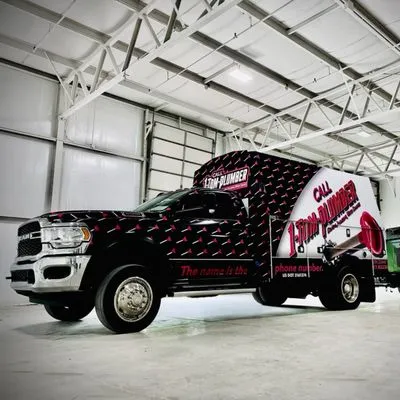
1-Tom-Plumber
1-Tom-Plumber is a trusted, locally-owned plumbing service dedicated to Johnstown, PA, and the surrounding communities. Available 24 hours a day, we provide reliable residential and commercial plumbin...
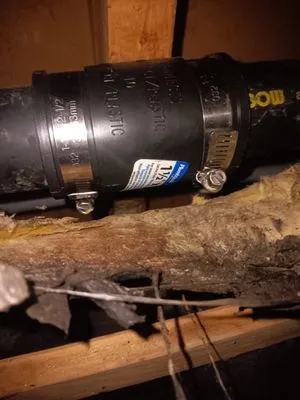
Benamati Plumbing and Heating
Benamati Plumbing and Heating is a locally-owned and operated company serving Hollidaysburg and the surrounding communities. For years, we've been the trusted choice for comprehensive plumbing and HVA...

Roto-Rooter
Roto-Rooter Johnstown is your trusted local plumbing partner, serving the Johnstown, PA community with reliable residential and commercial plumbing services. As part of North America's largest plumbin...
Estimated Plumbing Costs in Spangler, PA
Questions and Answers
Are septic and well systems different to maintain in rural Spangler?
Rural properties here typically have septic systems that require pumping every 3-5 years depending on household size, not the municipal sewer schedules of larger towns. Well systems need annual testing for bacteria and minerals from the local aquifer. Pressure tanks and well pumps fail more frequently than city water connections because they operate constantly without municipal pressure backing them up.
Why are so many Spangler homes having plumbing problems lately?
Homes built around 1941 now have 85-year-old galvanized steel pipes. At this age, the zinc coating has worn off completely, leaving bare steel exposed to constant water contact. Homeowners in Spangler Borough are seeing rust-colored water, reduced pressure from mineral buildup inside pipes, and frequent leaks at threaded joints. This isn't sudden failure but the predictable end of a pipe system's lifespan.
How quickly can a plumber reach my home in Spangler?
Heading past Prince Gallitzin State Park on US-219 gets me into Spangler Borough within 45-60 minutes for most calls. That route covers the main access from the state park area through the rural stretches. For true emergencies like burst pipes or sewage backups, I prioritize direct routing to minimize water damage while maintaining safe driving on these roads.
What should I do before spring thaw to prevent plumbing issues?
Before temperatures rise above freezing consistently, disconnect garden hoses and shut off exterior faucets from inside. Insulate pipes in unheated crawl spaces, particularly where they enter from foundation walls. Check that your sump pump operates properly, as spring thaw combined with our hilly terrain can direct unexpected water toward basements. These steps address the specific transition from 17-degree lows to rapid warming.
Does Susquehanna River water damage home plumbing systems?
Water from the West Branch Susquehanna River carries high mineral content that accelerates scale buildup. In water heaters, this sediment reduces efficiency and can overheat bottom elements. Fixtures develop reduced flow as aerators clog with calcium deposits. The hard water interacts with older galvanized pipes to create accelerated corrosion at a rate you won't see with modern materials.
What causes those small leaks in old Spangler home pipes?
Galvanized steel pipes from 1941-era construction develop pinhole leaks where internal corrosion eats through the pipe wall. Joint calcification is equally common—minerals cement threaded connections so tightly that any adjustment cracks the fitting. Both issues stem from the same problem: steel pipes that have exhausted their protective coating after decades of hard water exposure.
Who handles permits for plumbing work in Cambria County?
Cambria County Building Codes Department issues permits for most residential plumbing projects, while the Pennsylvania Department of Labor and Industry oversees licensing requirements. I handle that red tape so homeowners don't have to navigate multiple agencies. Proper permitting ensures work meets current code standards for safety and resale value, which matters particularly for older homes needing system upgrades.
How does our hilly area affect drainage and sewer lines?
The slope around Prince Gallitzin State Park creates natural water channels that can overwhelm perimeter drains during heavy rain. For sewer lines, the elevation changes put constant stress on main line connections—downhill sections experience higher pressure while uphill sections accumulate debris. Proper grading around your foundation and regular main line cleaning become more critical here than in flat areas.
