Top Emergency Plumbers in South Greensburg, PA, 15601 | Compare & Call

There are 142 plumbing companies server in South Greensburg PA
1-Tom-Plumber is a trusted plumbing service in Tarentum, PA, offering comprehensive solutions for both residential and commercial clients. Available 24/7/365, we specialize in everything from routine ...
Metz Plumbing & Sewer Lining LLC is a family-owned plumbing service rooted in Canonsburg, PA, with over 20 years of industry experience. Founded by professionals who previously managed a large local c...
G Horvath Plumbing is a trusted, locally-owned plumbing service serving Pittsburgh and the surrounding communities. As a full-service plumbing contractor, they handle everything from routine repairs t...
Zoom Drain of Pittsburgh is a locally owned and operated plumbing service founded by Pittsburgh native Mark Puzas. With deep roots in the community and a background in accounting and real estate, Puza...
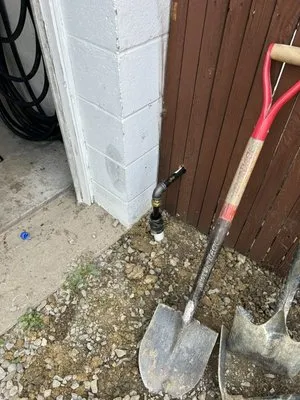
Kaleb's Kustom Plumbing is a veteran-owned company serving Pittsburgh, founded in 2023 on principles of integrity, honesty, and respect. As a proud Air Force veteran, husband, and father of four, owne...

RJS Plumbing is a locally-owned and operated Pittsburgh plumbing service built on a foundation of integrity and fairness. After nearly two decades working for other companies in the area, owner Ryan r...
Perfect Pipes Plumbing is a trusted local plumbing service in Pittsburgh, PA, dedicated to helping homeowners tackle common plumbing problems like garbage disposal jams and broken shutoff valves. With...
McVay Plumbing, Heating & Cooling
For over [implied years], McVay Plumbing, Heating & Cooling has been a trusted name in Pittsburgh, providing reliable home service solutions. As a local, family-owned business, we understand the speci...

Steve the Plumber is a Pittsburgh-based plumbing and electrical service provider with eight years of hands-on experience in the trade. Working under a master plumber since 2017, Steve now operates ind...
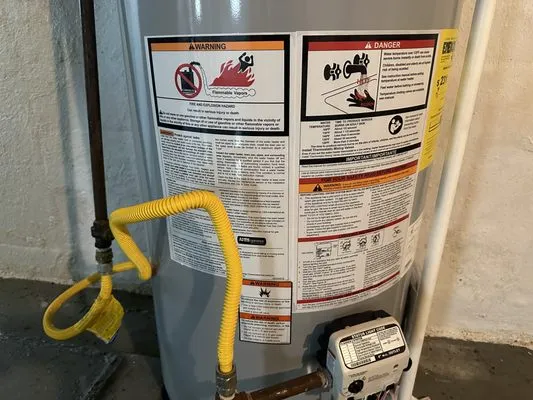
Day to Day Plumbing has been Pittsburgh's trusted plumbing partner since 2019, providing reliable and professional solutions for homeowners and businesses throughout the area. We specialize in compreh...
Estimated Plumbing Costs in South Greensburg, PA
Common Questions
How quickly can a plumber reach my South Greensburg home during an emergency?
Heading past Greensburg Garden and Civic Center on US Route 119 gets me into the heart of South Greensburg Borough within 20-30 minutes. This route avoids downtown Greensburg congestion while providing direct access to residential streets. I keep a truck stocked for common local emergencies like burst pipes or water heater failures.
What causes those tiny leaks in old South Greensburg plumbing?
Galvanized steel pipes from 1955-era construction develop pinhole leaks where the zinc coating has worn away and oxygen corrosion has eaten through the base metal. These often appear first at threaded joints where dissimilar metals meet without proper dielectric unions. The problem accelerates once the protective lining fails completely, typically around the 60-70 year mark.
Why are so many South Greensburg homes having plumbing problems lately?
Homes built around 1955 now have 71-year-old galvanized steel pipes. At this age, internal corrosion has likely reduced pipe diameter by half or more, causing low water pressure throughout the house. Many homeowners in South Greensburg Borough are discovering sections where the steel has rusted completely through, requiring full pipe replacement rather than spot repairs.
Who handles permits and inspections for plumbing work in South Greensburg?
I file all required paperwork with the South Greensburg Borough Building Department and maintain current Pennsylvania Department of Labor and Industry credentials. This includes pressure tests, sewer camera inspections, and final sign-offs that homeowners would otherwise need to coordinate themselves. Having a licensed professional manage the red tape ensures work meets current code standards without creating compliance headaches for you.
How does South Greensburg's hilly landscape affect my home's drainage?
The slope around Greensburg Garden and Civic Center creates drainage challenges where water follows the path of least resistance toward lower elevations. This puts constant hydrostatic pressure on foundation walls and can overwhelm perimeter drains during heavy rain. For main sewer lines, the elevation changes create natural low spots where debris collects, increasing the frequency of clogs compared to flat terrain.
Does Beaver Run Reservoir water damage home plumbing systems?
Water from Beaver Run Reservoir contains minerals that create hard water scaling throughout South Greensburg homes. This scale buildup insulates water heater elements, forcing them to work harder and fail sooner. On fixtures, mineral deposits gradually restrict flow and degrade rubber washers and valve seats, requiring more frequent replacements than in soft water areas.
What should I do before spring thaw to prevent plumbing disasters?
Before temperatures rise above freezing, walk your property to identify any exposed pipes in unheated crawl spaces or along exterior walls. Insulate these vulnerable sections with foam sleeves, paying special attention to areas where pipes enter the foundation. During rapid thaw periods, check your basement for moisture daily—early detection prevents major water damage when 20-degree nights give way to warmer days.
As a suburban homeowner, what unique plumbing issues should I watch for?
Municipal water pressure in South Greensburg Borough typically runs higher than rural systems, which accelerates wear on older valve assemblies and supply lines. Tree roots seeking moisture frequently invade sewer laterals at joint connections, especially with 70-year-old clay or cast iron pipes. Unlike city high-rises with vertical stack issues, suburban homes face more foundation-level water intrusion and exterior pipe vulnerability.
