Top Emergency Plumbers in South Centre, PA, 17815 | Compare & Call

There are 60 plumbing companies server in South Centre PA
MK Plumbing is a trusted, licensed plumbing service operating out of Indiana, PA, and serving homeowners and businesses in Penn Run and the surrounding area. We provide a comprehensive range of servic...
BK Plumbing & Repair is a family-owned, certified master plumbing service proudly serving the Mifflinburg community. We are fully insured and bring years of dedicated property maintenance experience t...
M&T Mechanical Services
M&T Mechanical Services is your local Mount Union expert for plumbing and electrical repairs and installations. Serving our community, we specialize in addressing common regional problems like frozen ...

Rabenstein Heating, Air Conditioning & Plumbing
Rabenstein Heating, Air Conditioning & Plumbing is a trusted local provider serving Williamsburg, PA, and surrounding Blair, Huntingdon, Northern Bedford, and Southern Centre Counties. Established in ...
Perry's Plumbing Heating Air Conditioning
Perry's Plumbing Heating Air Conditioning has been serving the Lock Haven community for over 45 years, specializing in plumbing and heating with an additional decade of expertise in air conditioning s...
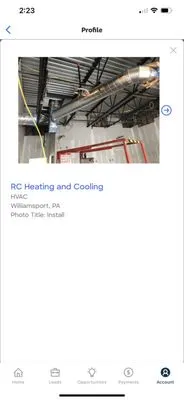
RC Heating and Cooling
RC Heating and Cooling is a certified HVAC contractor serving Williamsport, PA, and the surrounding Tioga and Lycoming County areas for nearly a decade. With expertise in HVAC, plumbing, and gas line ...

Yurky & Sons Plumbing & Heating is a trusted, family-owned plumbing service based in Philipsburg, PA, serving the local community with reliable solutions for over 20 years. We specialize in thorough p...
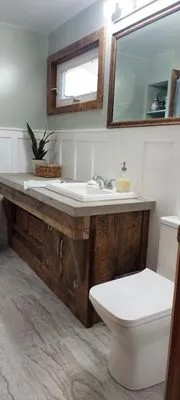
Savannah Plumbing is a family-owned plumbing and heating company serving Emporium and the surrounding PA Wilds region since 2013. With over 20 years of combined experience, we specialize in residentia...

CB Plumbing is a trusted plumbing and electrical service provider serving Warriors Mark, PA, and the surrounding areas. We specialize in a wide range of services, including bathtub, shower, sink, toil...
FlowRight Plumbing & Drain Cleaning is a trusted, family-owned plumbing service based in Everett, PA, proudly serving Bedford, Blair, and Centre County for over 42 years. Our team brings the right too...
Estimated Plumbing Costs in South Centre, PA
Questions and Answers
Do I need a permit to replace my water heater in South Centre?
Yes, South Centre Township Zoning and Code Enforcement requires permits for water heater replacements to ensure safe venting and pressure relief. As a master plumber licensed by the Pennsylvania Department of Labor and Industry, I pull all necessary permits, schedule inspections, and guarantee the work meets code. I handle that red tape so you don't have to worry about compliance issues down the line.
Does hard water from the Susquehanna River damage my appliances?
Yes, the mineral content that makes our water hard leads to scale buildup. Inside a water heater, this scale acts as an insulator, forcing it to work harder and shortening its lifespan. On fixtures and showerheads, it reduces flow and leaves crusty deposits. A whole-house water softener or periodic descaling is the most effective defense for your hardware.
What's the most important plumbing prep for a South Centre winter?
Insulate any pipes in unheated spaces like crawl spaces before temperatures hit that 19-degree low. But the bigger pro-tip is to check your main water shut-off valve every fall. During the spring thaw, ground shifting can stress this valve. If it's frozen or seized when you need it, you can't stop a burst pipe. A functional valve is your best emergency tool.
How fast can a plumber get to South Centre in an emergency?
Heading past the Columbia County Courthouse to catch I-80 is the standard dispatch route for us. From there, it's a direct shot. Barring unusual traffic, you can expect a service truck at your door within 30 to 45 minutes of your call. We keep our dispatch aware of local road conditions to maintain that window.
Could the hilly land around here cause plumbing problems?
The slope of our terrain, like near the courthouse area, puts constant stress on the main sewer line running to the street. Over time, this can lead to bellied pipes or separated joints where waste collects and causes blockages. For homes at the bottom of a hill, surface runoff during heavy rain can also overload perimeter drains and sump pumps.
Our South Centre home was built in 1978. Should we worry about the plumbing now?
With the original copper plumbing now 48 years old, you're in the window where pinhole leaks become common. Homeowners along Main Street Corridor often first notice blue-green stains under faucets or a drop in water pressure. This is the copper reacting to decades of our area's hard water, thinning from the inside out. Proactive replacement or a water quality assessment can prevent a minor leak from becoming major wall damage.
Are there special plumbing concerns for a rural home in South Centre Township?
Rural properties here typically rely on a private well and septic system, not municipal lines. That means you're responsible for the entire system, from the pump and pressure tank to the septic field. Well water quality directly impacts pipe longevity, and septic systems require regular pumping every 3-5 years to avoid backups and costly field repairs.
Why do my copper pipes keep springing pinhole leaks?
Copper installed around 1978 is prone to pinhole leaks due to a combination of age and water chemistry. The hard water in our area accelerates internal corrosion and scale buildup, which can create weak spots. Over nearly five decades, these spots thin and fail, often starting at soldered joints or where pipes contact dissimilar metals without proper dielectric unions.
