Top Emergency Plumbers in South Buffalo, PA, 16055 | Compare & Call

There are 238 plumbing companies server in South Buffalo PA
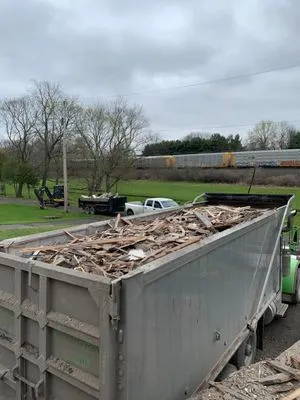
Whalen Enterprise LLC in Rogers, OH, was founded by a professional with deep roots in pipeline and excavation work, driven by a passion for tackling diverse projects. This foundation expanded naturall...
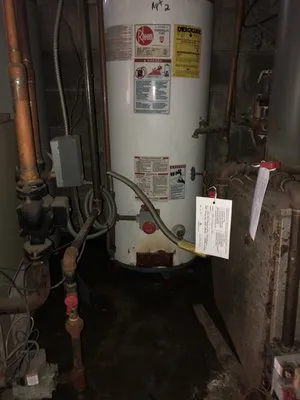
Affordable Budget Plumbing & Drain
Affordable Budget Plumbing & Drain is a trusted local plumbing service in Mingo Junction, OH, dedicated to providing reliable and cost-effective solutions for residential plumbing needs. We specialize...
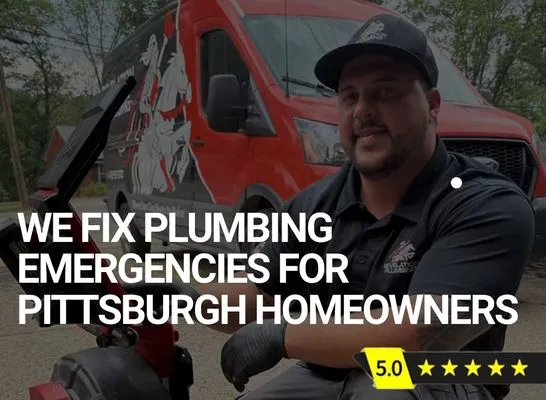
Revelation Plumbing serves Pittsburgh homeowners with reliable, same-day plumbing solutions. We understand that plumbing emergencies like burst pipes or sewer backups can't wait, which is why we arriv...
1-Tom-Plumber is a trusted plumbing service in Tarentum, PA, offering comprehensive solutions for both residential and commercial clients. Available 24/7/365, we specialize in everything from routine ...
Metz Plumbing & Sewer Lining LLC is a family-owned plumbing service rooted in Canonsburg, PA, with over 20 years of industry experience. Founded by professionals who previously managed a large local c...

Knight & Day Plumbing
Knight & Day Plumbing is a trusted, full-service plumbing company serving Pittsburgh, PA, and the surrounding communities. We specialize in addressing the unique plumbing challenges of the Steel City,...
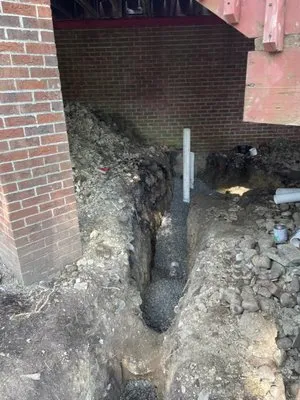
G Horvath Plumbing is a trusted, locally-owned plumbing service serving Pittsburgh and the surrounding communities. As a full-service plumbing contractor, they handle everything from routine repairs t...
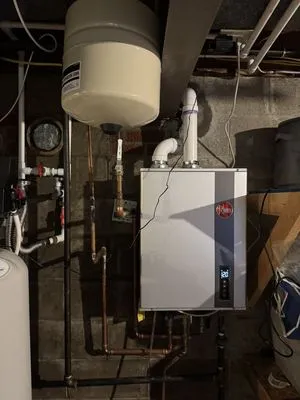
412 Handyman Solutions is a trusted local handyman service in Saxonburg, PA, with over 25 years of construction experience. We specialize in a wide range of home improvement services, including plumbi...
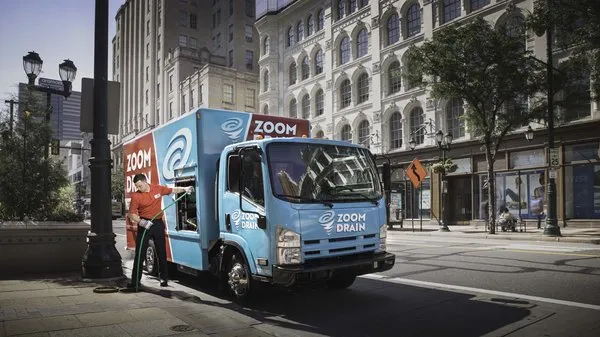
Zoom Drain of Pittsburgh is a locally owned and operated plumbing service founded by Pittsburgh native Mark Puzas. With deep roots in the community and a background in accounting and real estate, Puza...
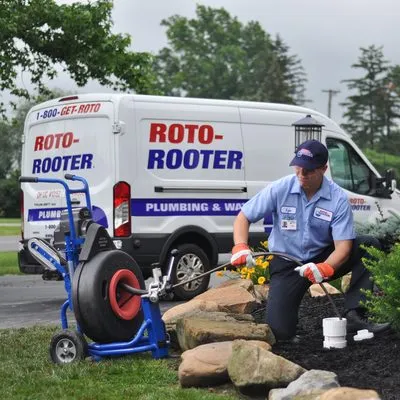
Roto-Rooter Plumbing & Water Cleanup
Roto-Rooter Plumbing & Water Cleanup provides essential plumbing and water damage restoration services for Pittsburgh, PA. Our local team is fully staffed and ready to assist homeowners and businesses...
Estimated Plumbing Costs in South Buffalo, PA
Frequently Asked Questions
Why are my 1960s copper pipes suddenly springing small leaks?
Copper from that era often suffers from joint calcification and pitting corrosion after nearly six decades of service. The solder used at joints can degrade, and microscopic pits in the pipe wall eventually penetrate through. This isn't random; it's a predictable lifespan issue. We look for greenish corrosion spots or a sudden drop in water pressure as the first signs.
Could the hilly land around Buffalo Creek be causing my main drain to back up?
Yes, the slope of the land here directly stresses sewer mains and laterals. A house built on a hillside may have a drain line that sags or settles over time, creating a low spot where waste collects. Soil erosion near Buffalo Creek can also expose or shift pipes. We often use a camera inspection to diagnose these specific terrain-related issues with the main line.
How long does it take for a plumber to get to South Buffalo for an emergency call?
Our dispatch from the shop heads past Buffalo Creek to get on PA-28 northbound. That route typically puts us on-site within 45 to 60 minutes for urgent calls in the township. We factor in local traffic and weather on the hills, but PA-28 provides a reliable corridor to reach most homes efficiently from our service area.
What's the most important thing to do before spring to avoid plumbing problems?
Before the spring thaw hits its peak, disconnect and drain all outdoor hoses. Trapped water in those hose bibs can freeze and crack the interior pipe, even with our 19-degree lows. Make sure your basement sump pump is operational, as rapid snowmelt on our hilly terrain can overwhelm drainage. A quick check of these items in late winter prevents common seasonal emergencies.
My house was built around 1968 with copper pipes. What should I be watching for now?
Copper pipes installed in 1968 are now 58 years old. In this part of South Buffalo, we commonly see a specific type of failure where the pipe walls thin from decades of water flow and mineral abrasion. Homeowners in Sarver are starting to report pinhole leaks, often first appearing at solder joints or where pipes contact dissimilar metals. This is a wear-out phase, not a defect, and proactive inspection can prevent larger water damage.
I'm on a well and septic system in South Buffalo. What maintenance is critical?
For rural properties here, the well pump pressure tank and the septic system's drain field are your key concerns. Hard water accelerates wear on the well pump and can clog the injector screens. Have the septic tank pumped every 3-5 years to prevent solids from reaching and clogging the drain field, which is very difficult and expensive to repair on sloped land.
Do I need a permit to replace my water heater in South Buffalo Township?
Yes, South Buffalo Township requires a permit for water heater replacement, and the installation must meet Pennsylvania Department of Labor and Industry code. As a master plumber, I pull that permit through the Township Building Department and schedule the required inspections. Handling this red tape is part of the job—it ensures the work is done right and documented for your home's records.
Does the hard water from the Allegheny River damage my plumbing fixtures?
Water drawn from the Allegheny River is very hard, leading to significant scale buildup. Inside a water heater, this scale acts as an insulator, forcing the unit to work harder and fail prematurely. On faucets and showerheads, the mineral deposits restrict flow and corrode internal seals. Installing a whole-house water softener is the most effective long-term solution to protect your hardware.
