Top Emergency Plumbers in South Abington, PA, 18410 | Compare & Call

There are 147 plumbing companies server in South Abington PA
My journey in hands-on repair started young, right in the basement of my childhood home. At age eleven, I found some wire and an outlet on my dad's workbench and decided to install it myself. I manage...
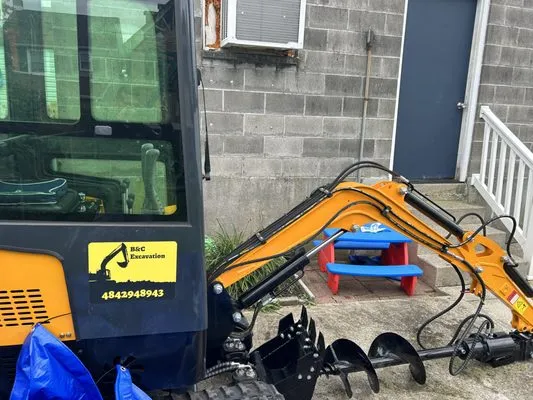
B&C Excavation is a family-owned and operated business proudly serving Allentown and the Lehigh Valley. Our foundation is built on over 20 years of combined experience, including 8 years of service wi...
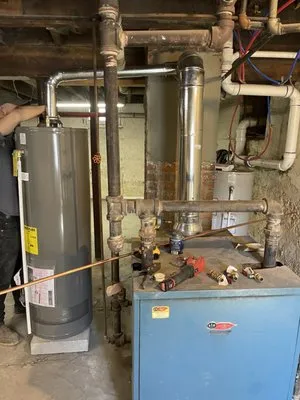
Dan Kratz Jr Plumbing & Heating is a trusted family-owned plumbing and heating service in Hanover Township, PA, with over 20 years of experience. As a fourth-generation plumber, Dan Kratz Jr. brings d...
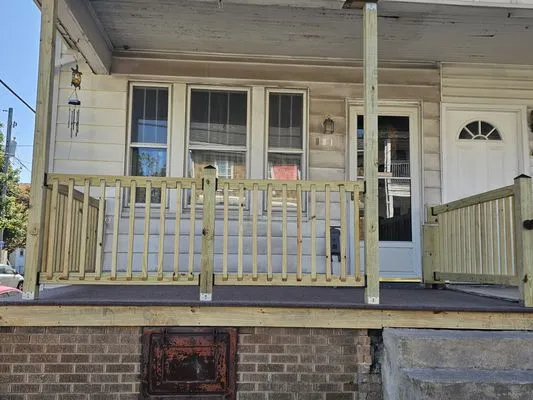
Lynn's Handyman Services is a trusted local provider in Tamaqua, PA, offering comprehensive home repair and maintenance solutions. With expertise spanning appliance installation and repair, plumbing, ...
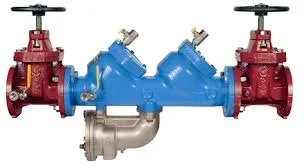
WaterBoyz Backflow Testing and Repairs LLC is a trusted local plumbing service in Allentown, PA, specializing in backflow assembly testing, maintenance, and repairs. Our expert technicians ensure your...
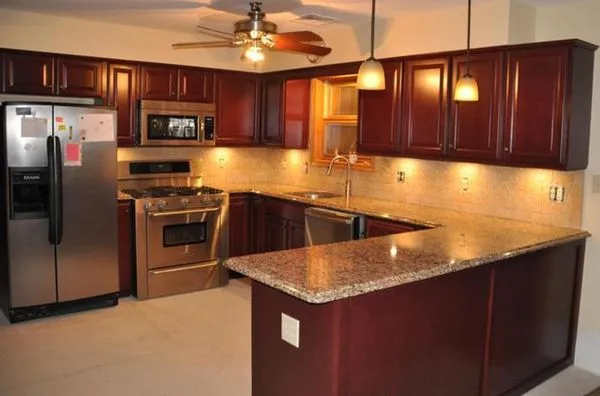
Agosto Plumbing & Remodeling
For over 20 years, Agosto Plumbing & Remodeling has been the trusted local choice for Lehighton residents and surrounding counties. We specialize in comprehensive residential plumbing and remodeling, ...
Ray's Heating & Plumbing
Ray's Heating & Plumbing has been serving Weatherly, PA, since 1995, with Ray Pillonato bringing over 40 years of hands-on experience to every job. Specializing in both plumbing and HVAC services, the...
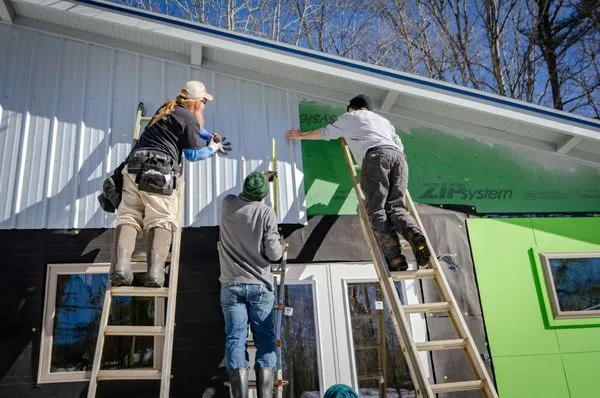
Knights For Christ is a faith-based remodeling and construction company serving the Freeland, PA community. We provide a comprehensive range of home improvement services, from kitchen and bathroom ren...
M&E Hvac Plumbing Solution's
M&E HVAC Plumbing Solutions is a Scranton-based family business built on a simple, powerful idea: a comfortable, safe home should also be a responsible one. Founded by Mike, a recently married father ...
Bill The Plumber is a trusted, veteran-owned plumbing and HVAC service based in Clarks Summit, PA, serving homeowners and businesses throughout Lackawanna, Luzerne, and Wyoming Counties since 2020. We...
Estimated Plumbing Costs in South Abington, PA
Question Answers
Can hilly terrain in South Abington affect my home's drainage?
The hilly slopes around Lackawanna State Park create drainage challenges for South Abington properties. Downward slope puts constant stress on main sewer lines, potentially causing joint separation over time. Surface water runoff during heavy rains can overwhelm perimeter drains if not properly maintained. Homes built on cut-and-fill sites may experience differential settling that stresses underground water service connections, leading to leaks at the meter or foundation penetration points.
Why do my copper pipes keep developing pinhole leaks?
Copper pipes from 1978 often develop pinhole leaks due to a combination of age and our local water conditions. The interior surfaces accumulate scale that creates differential corrosion cells, leading to localized thinning. These failures typically appear first in horizontal runs and at elbows where water velocity changes. Replacing affected sections with new copper or PEX is more effective than repeated patch repairs on 48-year-old piping.
How long do copper pipes last in South Abington homes?
Copper pipes installed around 1978 are now 48 years old. In Abington Woods, homeowners are seeing increased frequency of leaks at joints and fittings as the pipes reach the end of their typical lifespan. The original soldered connections begin to fail first, often showing as small damp spots on ceilings or walls. This aging process accelerates in our area due to water chemistry interacting with decades of mineral buildup inside the pipes.
How quickly can a plumber reach my home in South Abington?
Heading past Lackawanna State Park on I-81, most South Abington addresses are within 20-30 minutes from dispatch. The route follows I-81 north to the South Abington exits, then local roads to your neighborhood. This accessibility means emergency calls for burst pipes or water heater failures can typically be addressed within an hour of your call during business hours.
What plumbing issues are common in South Abington's suburban homes?
Suburban homes here typically connect to municipal water and sewer systems, which brings specific concerns. Water pressure from the township system can fluctuate, stressing older pipe joints and water heater connections. Tree roots seek out lateral sewer lines, especially during dry periods, causing slow drains or backups. Unlike rural properties with wells and septic systems, the main challenges involve maintaining connections to municipal infrastructure that has also aged alongside your home's plumbing.
What should I do to prepare my plumbing for spring thaw in South Abington?
Before spring thaw when temperatures can swing from 18°F lows to above freezing, insulate exposed pipes in crawl spaces and attics. Drain outdoor faucets and irrigation systems completely to prevent freeze damage as snow melts. Check your main water shutoff valve for easy operation—this is crucial when ground saturation from thawing increases pressure on older pipe connections. These steps prevent most spring plumbing emergencies in our temperate climate.
Does hard water from the Lackawanna River damage plumbing fixtures?
Hard water from the Lackawanna River watershed deposits calcium and magnesium minerals throughout your plumbing system. Water heaters accumulate scale on heating elements, reducing efficiency by up to 30% over five years. Faucet aerators and showerheads clog with mineral deposits, decreasing flow rates. Installing a whole-house water softener protects appliances and maintains consistent water pressure throughout your home.
Do I need permits for plumbing work in South Abington Township?
Most plumbing repairs and replacements require permits from the South Abington Township Building Department. As a Pennsylvania Department of Labor and Industry licensed master plumber, I handle the permit applications, inspections, and compliance documentation. This ensures work meets current code standards for safety and insurance purposes. Homeowners avoid the red tape while knowing their plumbing system meets all local and state requirements for resale and insurance claims.
