Top Emergency Plumbers in Sandycreek, PA, 16323 | Compare & Call

There are 54 plumbing companies server in Sandycreek PA
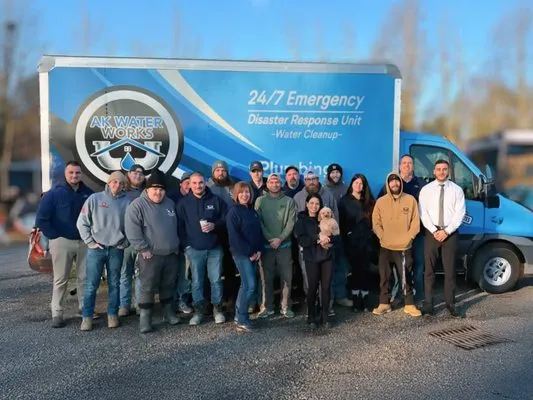
AK Water Works Plumbing & Drain
AK Water Works Plumbing & Drain is a family-owned, locally-operated plumbing company dedicated to serving Warren, OH, and the surrounding communities. We understand that plumbing problems are more tha...

At Hydro-Flow Plumbing & Drain in Warren, OH, we understand that plumbing issues demand a swift and reliable response. With over three decades of dedicated service in North East Ohio and Western Penns...

Drain Fly is a local, veteran, family-owned plumbing business serving Niles, OH, and surrounding Trumbull County communities. Founded by natives of the area, we bring deep roots and a genuine commitme...

Ricket's Construction serves Thompson, OH, with a dual focus on commercial and residential property maintenance and improvement. While we specialize in commercial maintenance—including lawn care, faci...
Venturella & Sons Plumbing & Heating
Venturella & Sons Plumbing & Heating is a family-owned and operated business serving Rome, OH, and the surrounding communities since 1983. Founded by Danny Venturella, a Cleveland native who moved his...
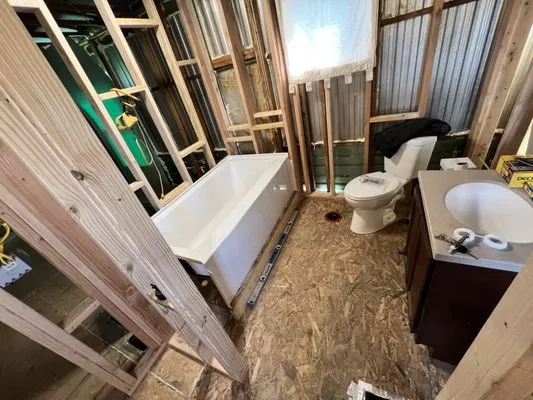
Pressure Pro's Plumbing Experts is Grove City's trusted local plumbing service, specializing in comprehensive solutions for residential plumbing needs. Serving the Grove City community, we address com...
Reichard Water Works
Reichard Water Works is a family-owned plumbing, heating, and air conditioning business serving Shippenville, PA, and surrounding areas within 30 miles of Clarion County. Owned by Chris Reichard, we s...

Just Fix It is a fully licensed and insured general contractor serving Meadville, PA, and the surrounding 50-mile area. With over a decade of hands-on experience, we provide a comprehensive range of p...
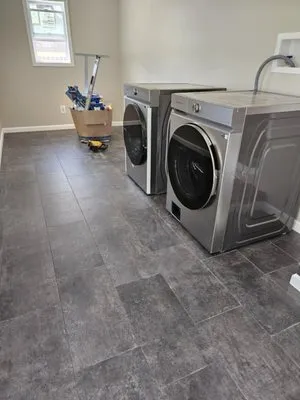
Freeman Construction Co LLC is a family-owned and operated business serving Pleasantville and the surrounding area for over 25 years. Founded by Richard, a contractor known for his hands-on expertise ...
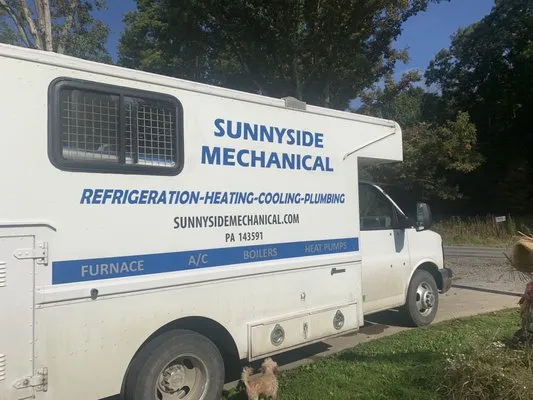
Sunnyside Mechanical
Sunnyside Mechanical is a trusted HVAC, refrigeration, and plumbing contractor serving the Meadville area. We specialize in both commercial and residential service and repairs, offering comprehensive ...
Estimated Plumbing Costs in Sandycreek, PA
Questions and Answers
How quickly can a plumber reach my home in Sandycreek during an emergency?
Heading past Sandycreek Township Park on PA-8 provides the most direct route to most homes in the area. Our typical 45-60 minute response accounts for the winding roads and elevation changes along Franklin Road. We maintain real-time traffic awareness to adjust routes when school buses or seasonal park traffic affects travel times.
What permits and inspections are needed for plumbing work in Sandycreek Township?
Sandycreek Township Zoning and Code Enforcement requires permits for most plumbing modifications beyond basic repairs. As a licensed master plumber, I handle all Pennsylvania Department of Labor and Industry paperwork and coordinate required inspections. This ensures your project meets current code standards for safety and resale value. You avoid potential fines or having to redo work that doesn't pass inspection.
What should I do before spring thaw to prevent plumbing problems?
Before temperatures rise above freezing consistently, check all exposed pipes in crawl spaces and along exterior walls for existing leaks. Insulate pipes in unheated areas to prevent expansion and contraction stress during temperature swings. Drain outdoor spigots and disconnect hoses to allow proper drainage as ground temperatures fluctuate. These steps minimize the risk of burst pipes when frozen sections thaw rapidly.
My copper pipes are original to this 1968 Sandycreek home - what should I expect at this age?
Copper pipes installed around 1968 are now 58 years old. Homeowners along Franklin Road are seeing pinhole leaks develop in sections where water velocity has worn thin the interior walls over decades. The solder joints from that era also begin to fail as the flux deteriorates, leading to small drips behind walls. At this stage, proactive replacement of aging sections prevents catastrophic failures during temperature swings.
How does the hilly terrain around Sandycreek affect my main sewer line?
The sloping landscape near Sandycreek Township Park creates gravitational stress on main sewer lines running downhill. Soil shifting on steep grades can misalign pipe joints, leading to root intrusion or partial collapses. Properly graded drainage away from your foundation prevents soil erosion that exposes and stresses underground pipes. Regular camera inspections identify developing issues before they become emergencies.
Why do my older copper pipes keep springing small leaks?
Copper plumbing from 1968 often develops pinhole leaks due to decades of water flow eroding the interior pipe walls. The solder joints from that period also calcify and weaken as the original flux breaks down. These failures typically occur first at elbows and tees where water turbulence accelerates wear. Replacing affected sections with modern copper or PEX prevents recurring issues.
As a rural homeowner, what unique plumbing considerations should I know?
Rural properties often combine well water systems with septic tanks, requiring specialized maintenance. Well pumps need periodic pressure checks and sediment filter changes to ensure consistent water delivery. Septic systems require regular pumping every 3-5 years depending on household size. Understanding the interaction between your well, pressure tank, and septic drainage field prevents cross-contamination and system failures.
Does Allegheny River water damage my plumbing fixtures and water heater?
Hard water from the Allegheny River deposits mineral scale inside pipes and appliances over time. Water heaters accumulate sediment that reduces efficiency and can cause premature tank failure. Fixtures develop reduced flow as aerators clog with calcium deposits. Installing a whole-house water softener protects your plumbing investment and extends appliance lifespans significantly.
