Top Emergency Plumbers in Sanatoga, PA, 19464 | Compare & Call

There are 238 plumbing companies server in Sanatoga PA
Goodman Plumbing
Goodman Plumbing has been a trusted name in Philadelphia, Bucks, and Montgomery Counties since 1956. As a second-generation, family-owned and operated business, we bring over six decades of local expe...
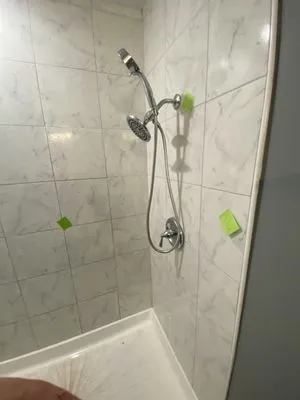
Pinnacle Plumbing
Pinnacle Plumbing is a family-owned and operated business serving Philadelphia with over 25 years of dedicated local experience. We understand that plumbing problems are more than just an inconvenienc...
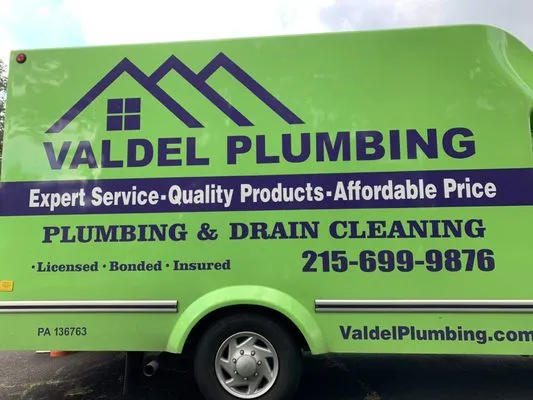
Valdel Plumbing is a licensed plumbing company serving Norristown, PA, and surrounding areas since 2013. We provide comprehensive plumbing services for both residential and commercial clients, includi...
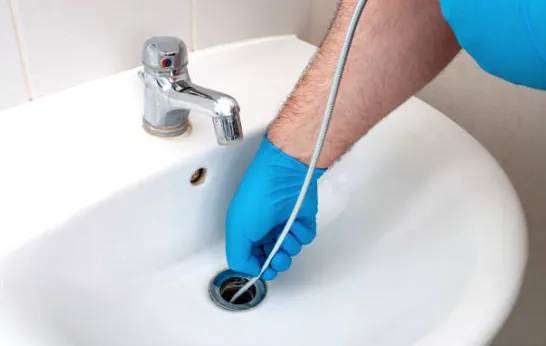
Facelift Remodelers & Plumbing Services
Facelift Remodelers & Plumbing Services is a Philadelphia-based plumbing company dedicated to providing reliable and transparent plumbing solutions for local homeowners. With expertise in water heater...
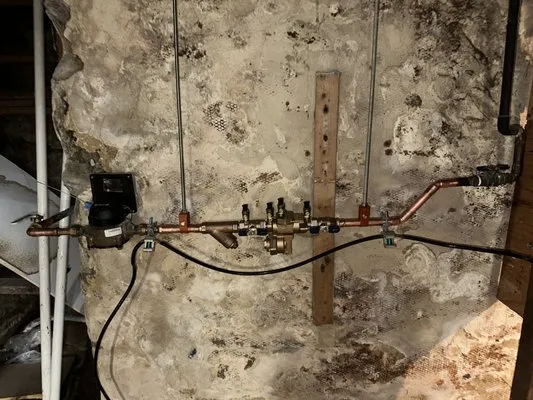
Best Choice Plumbing & Heating
Best Choice Plumbing & Heating has been a trusted, family-owned resource for Philadelphia homeowners since 1996. Founded by Bob Huttenlock, whose expertise spans over three decades, we provide reliabl...
Victor James Plumbing & Heating has been a trusted, family-owned plumbing contractor serving Phoenixville and the surrounding Chester County communities since 1987. Founded by master plumber Victor Ja...
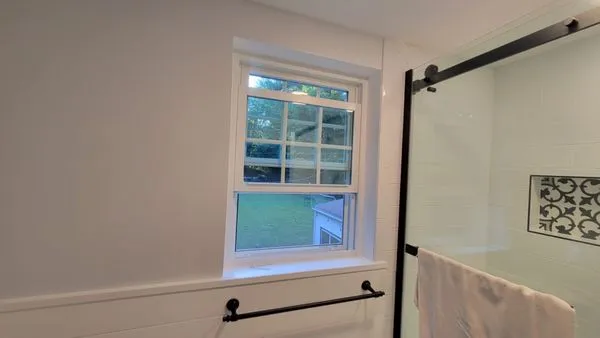
RM Handyman Services, founded by Rey in March 2021, is a locally-owned Philadelphia business built on practical skill and a commitment to affordability. Born in the Dominican Republic and a Philly res...
For over 12 years, Mr. Tubs Plumbing & Heating has been a trusted, family-owned business serving Cheltenham, PA, and the greater Philadelphia area. Founded and operated by a Master Plumber with a deep...
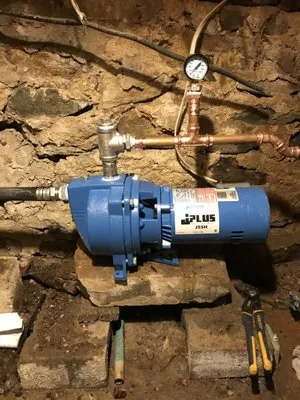
Palmerio Plumbing
Palmerio Plumbing has been serving the Gilbertsville community with reliable plumbing solutions for over 16 years. As a licensed master plumber, we bring extensive knowledge and professionalism to eve...
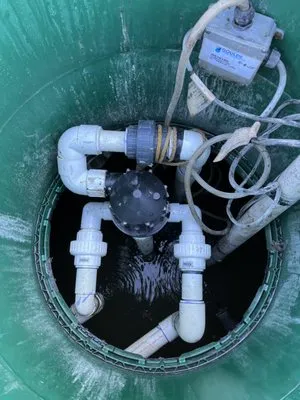
Penn Forge is a trusted, full-service handyman company serving Nottingham, PA, and the surrounding communities. We specialize in electrical work, plumbing, drywall repair, floor installation, and comp...
Estimated Plumbing Costs in Sanatoga, PA
Frequently Asked Questions
Why are my copper pipes suddenly springing leaks all at once?
Copper pipe from the late 1980s is prone to a specific failure called pinhole leaks. These are tiny perforations caused by internal corrosion and scale buildup over decades. The problem often appears systemic because the water chemistry and pipe age are uniform throughout the house. It's not a single faulty section; the entire system has reached a critical age where weak spots fail. Repairs can be spot-fixed, but widespread pinholes usually indicate the system's service life is ending.
How fast can a plumber get to my house in an emergency?
From our base near Sanatoga Park, the dispatch route follows US-422, which provides direct access to most neighborhoods. Heading past Sanatoga Park on US-422, we can typically reach a home within the 25-35 minute window we quote. We keep trucks stocked for common emergencies like burst pipes or failed water heaters to minimize any additional parts runs.
Could the hilly land around here be causing my slow drains?
The hilly terrain in Sanatoga puts unique stress on drainage lines. A main sewer line running down a slope can develop low spots or bellies where waste and grease accumulate, causing chronic slow drains. Conversely, the soil movement on hills can stress pipe joints, leading to separation or root intrusion. If your home is near Sanatoga Park, we often find that the lateral line's pitch has been compromised over time, requiring a camera inspection to diagnose.
Do I need a permit to replace my water heater, and who handles that?
Yes, Lower Pottsgrove Township requires a permit for water heater replacement, and the installation must meet Pennsylvania Department of Labor and Industry codes. As a licensed master plumber, I pull the permit, schedule the inspection, and ensure the job passes—handling the red tape so you don't have to. This includes proper seismic strapping, pressure relief valve discharge, and making sure any expansion tank is correctly sized for your system.
Is my plumbing getting old? I've noticed more drips and stains on the ceiling.
Your home's copper plumbing is about 39 years old now. Copper pipes installed around 1987 often begin to show their age through pinhole leaks, especially at solder joints. Homeowners in Sanatoga Village are calling me for the same reason—small, persistent leaks that suddenly appear in walls or ceilings. This is a normal wear-out phase for that generation of pipe. Addressing these leaks promptly prevents water damage and more extensive repiping later.
Does our local water damage appliances like water heaters?
Yes, the hard water from the Schuylkill River causes significant scale buildup. Inside your water heater, this mineral scale acts as an insulator on the heating elements, forcing them to work harder and fail sooner. You'll see reduced hot water capacity and higher energy bills. Fixtures like showerheads and faucet aerators also clog with scale, reducing flow. Installing a water softener or scheduling regular tank flushing can mitigate these effects.
What's the most important thing to do before spring to avoid plumbing problems?
Before the spring thaw peaks, disconnect and drain your garden hoses. A hose left connected traps water in the outdoor spigot, which can freeze and burst the pipe inside your wall. With lows around 24°F, that trapped water expands. This simple, five-minute task prevents one of the most common and damaging calls we get each March. It's a temperate climate pro-tip that saves you from a flooded basement or crawl space.
As a suburban homeowner, what's my biggest plumbing risk?
In a suburban setting like this, the lateral sewer line from your house to the municipal main is your responsibility. The most common failure point is root intrusion at the joints, which can cause complete blockages and backups. Municipal water pressure is generally stable, but aging gate valves on your main shutoff can seize. Knowing the location and condition of your main shutoff valve and having your lateral scoped every few years are the best preventative measures.
