Top Emergency Plumbers in Salunga, PA, 17538 | Compare & Call

There are 167 plumbing companies server in Salunga PA

Hi, I'm Jim Morrow, owner-operator of James Morrow Electrician. My passion for electrical work started in 9th grade shop class—I wasn't just satisfied to see a light turn on; I needed to understand th...

Lowry Services
Lowry Services has been a trusted home services provider in Harleysville and Southeast Pennsylvania since 1980. Founded by Steve Lowry with just one truck, the company has grown into a comprehensive t...
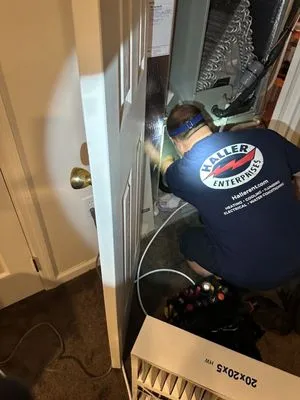
Haller Enterprises
Founded in Lititz in 1981 by Rick Haller, Haller Enterprises has grown from a one-man operation into a trusted local provider with nearly 400 employees, serving Pennsylvania and beyond. With five bran...

Arrow Plumbing & Mechanical
Arrow Plumbing & Mechanical is a family-owned plumbing service founded in Denver, PA, in 2006 by Master Plumber Tim. With over 25 years of experience, Tim started the company to offer residents of Lan...
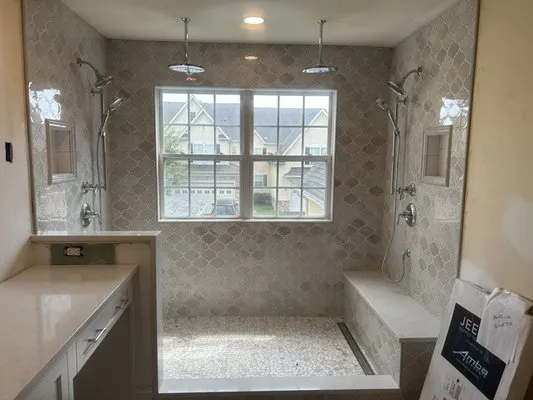
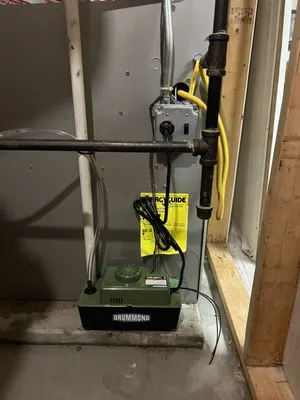
Mountain Top Mechanical is a trusted plumbing service provider for Reinholds, PA, and the surrounding communities. We understand the local challenges homeowners face, particularly with basement floodi...
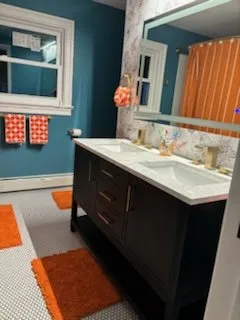
Coss & Sons Home Services is a family-owned and operated business dedicated to serving the homeowners of Elizabethtown and surrounding Lancaster County. We specialize in a comprehensive range of home ...
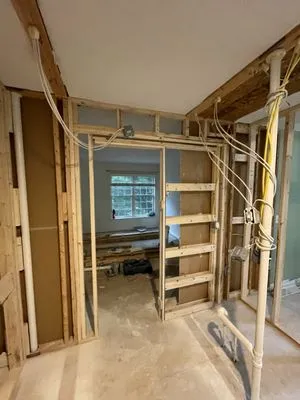
Kort’s General Contracting & Home Improvement
Kort's General Contracting & Home Improvement is your trusted local contractor in Akron, PA, providing comprehensive home renovation and repair services. We specialize in everything from kitchen and b...
American Home Repairs & Installations
American Home Repairs & Installations is your trusted local home service provider in East York, PA. We understand that a happy home is a functional one, which is why we focus on getting the job done r...

1776 Plumbing & Drains
1776 Plumbing & Drains is a locally owned and operated plumbing company serving Shermans Dale and all of Central Pennsylvania. Our team brings over 50 years of combined hands-on experience to every jo...
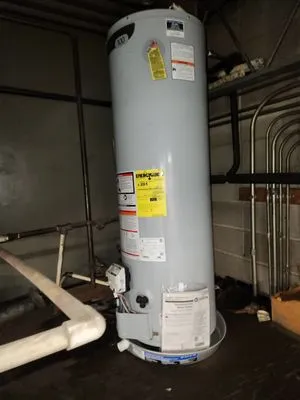
Advanced Plumbing Solutions is your trusted, licensed plumbing expert serving York, PA, and the surrounding communities. We understand the common frustrations local homeowners face, from persistent to...
Estimated Plumbing Costs in Salunga, PA
Question Answers
How fast can a plumber get to my house in Salunga during an emergency?
Our typical dispatch route for Salunga has us heading past Hempfield High School and taking PA-283. For most calls in the Salunga-Landisville area, that puts us on-site within 20 to 30 minutes of your call. We prioritize leaks and no-water situations to get service trucks moving immediately.
Could the flat land around here cause drainage problems for my home's plumbing?
The plain terrain around Hempfield means there's little natural slope for drainage. This can put constant, low-grade stress on your main sewer line as it relies solely on gravity. Over time, this can lead to sagging sections that collect waste and cause recurrent clogs. It's a key reason we recommend a sewer camera inspection if you're experiencing slow drains throughout the house.
Why is my water pressure low and my fixtures looking crusty?
That crust is limescale from our hard water, which originates from the Susquehanna River. Over years, this scale builds up inside pipes and, more critically, inside your water heater and faucet cartridges. It strangles flow and reduces appliance efficiency. Installing a whole-house water softener is the definitive solution to protect your plumbing system from this progressive damage.
What's one thing I should do every spring to avoid a plumbing disaster?
Before the spring thaw really sets in, shut off the water supply to your exterior hose bibs and open the outdoor valves to drain them. Our winter lows around 22°F mean freezing is a real risk. Water left in those lines can expand during a late freeze and crack the pipe inside your wall, leading to a major leak when you turn it on in April.
Do I need a permit to replace my water heater or re-pipe my house?
Yes, most major plumbing work in East Hempfield Township requires a permit from the Building and Zoning Department. As a licensed master plumber, I pull those permits and ensure all work meets the Pennsylvania Department of Labor and Industry's Uniform Construction Code. My crew handles the red tape and inspections so you don't have to navigate the process yourself.
As a suburban homeowner here, what's the most common plumbing issue I might face?
The most frequent calls involve the sewer lateral—the pipe running from your house to the municipal main under the street. Tree roots seek out the moisture in older joints, and ground settlement from the area's clay soil can cause misalignments. A sudden backup in multiple fixtures usually points to a blockage or break in this lateral line, which is the homeowner's responsibility to maintain.
My house was built around 1984 like many in Salunga-Landisville. Should I be worried about my plumbing now?
Your copper plumbing is now about 42 years old. At this age, we consistently see two issues. The first is pinhole leaks from internal corrosion, often appearing in horizontal hot water lines. The second is a gradual reduction in water pressure as mineral scale from decades of hard water accumulates inside the pipes. It's a good time to have a professional pressure test and inspection of your main lines and water heater connections.
I have a small, persistent leak in my copper pipe. What's causing it?
That's likely a pinhole leak, a common failure point for copper pipes installed in the mid-1980s. Over four decades, the protective inner lining can wear thin in spots, allowing a tiny hole to form. The Susquehanna River's hard water accelerates this process through scaling and corrosion. A proper repair involves cutting out the corroded section and soldering in a new piece, not just clamping it.
