Top Emergency Plumbers in Saltlick, PA, 15446 | Compare & Call

There are 136 plumbing companies server in Saltlick PA

1-Tom-Plumber is a trusted plumbing service in Tarentum, PA, offering comprehensive solutions for both residential and commercial clients. Available 24/7/365, we specialize in everything from routine ...

Metz Plumbing & Sewer Lining LLC is a family-owned plumbing service rooted in Canonsburg, PA, with over 20 years of industry experience. Founded by professionals who previously managed a large local c...
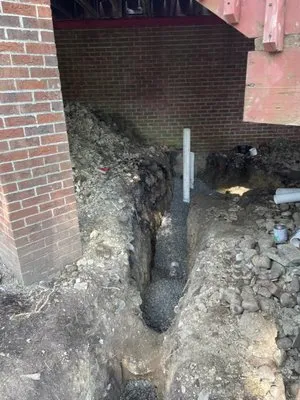
G Horvath Plumbing is a trusted, locally-owned plumbing service serving Pittsburgh and the surrounding communities. As a full-service plumbing contractor, they handle everything from routine repairs t...

Zoom Drain of Pittsburgh is a locally owned and operated plumbing service founded by Pittsburgh native Mark Puzas. With deep roots in the community and a background in accounting and real estate, Puza...
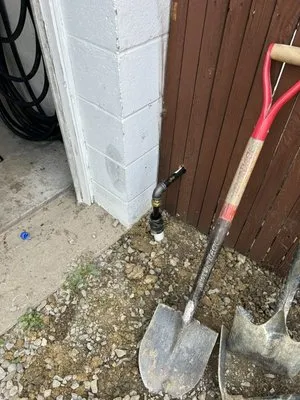
Kaleb's Kustom Plumbing is a veteran-owned company serving Pittsburgh, founded in 2023 on principles of integrity, honesty, and respect. As a proud Air Force veteran, husband, and father of four, owne...

RJS Plumbing is a locally-owned and operated Pittsburgh plumbing service built on a foundation of integrity and fairness. After nearly two decades working for other companies in the area, owner Ryan r...
Perfect Pipes Plumbing is a trusted local plumbing service in Pittsburgh, PA, dedicated to helping homeowners tackle common plumbing problems like garbage disposal jams and broken shutoff valves. With...

Steve the Plumber is a Pittsburgh-based plumbing and electrical service provider with eight years of hands-on experience in the trade. Working under a master plumber since 2017, Steve now operates ind...
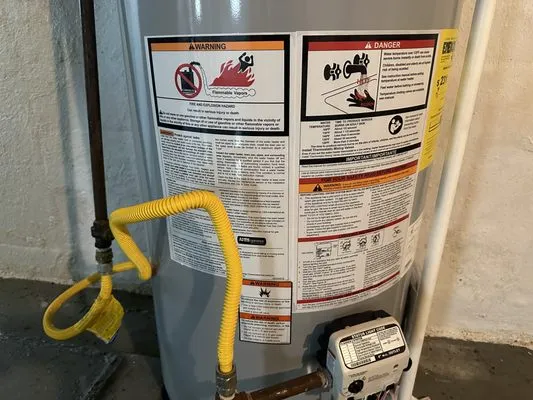
Day to Day Plumbing has been Pittsburgh's trusted plumbing partner since 2019, providing reliable and professional solutions for homeowners and businesses throughout the area. We specialize in compreh...
Shelton Plumbing
Shelton Plumbing has been the trusted, family-owned plumbing service for Pittsburgh and the A-K Valley since 1983. Founded by Master Plumber John Shelton, our company was built on the principles of re...
Estimated Plumbing Costs in Saltlick, PA
Questions and Answers
Do I need a permit to replace my water heater in Saltlick?
Most plumbing replacements, like a water heater, require a permit from Fayette County Building Code Enforcement. As a master plumber licensed by the Pennsylvania Department of Labor and Industry, I pull those permits, schedule the inspections, and ensure the installation meets all current code. My credential means I handle that red tape so you do not have to. This protects your home's value and ensures the work is documented correctly for insurance and future sales.
Does hard well water damage my plumbing fixtures?
Yes, the hard water common to private wells here causes significant scale buildup. Inside your water heater, this mineral layer acts as an insulator, forcing the unit to work harder and fail sooner. On faucet cartridges and shower valves, scale restricts flow and causes premature wear. A properly sized whole-house water softener is not a luxury here; it is essential maintenance to protect your major appliances and extend the life of your plumbing system.
Why are my copper pipes suddenly leaking?
Copper installed around 1971 is prone to joint calcification and pinhole leaks. Over 55 years, the natural acidity in well water and mineral scale create a corrosive environment inside the pipe. This erosion is not uniform, so a weak spot can develop and fail without warning. The leaks often appear first at solder joints or on horizontal runs where sediment and water sit. This is a material failure due to age, not a flaw in the original installation.
How long does it take for a plumber to get to a home in Saltlick?
Our dispatch from the shop heads past the Indian Creek Valley Trail onto PA-381. That route covers most of the township. Expect a 45 to 60 minute response window for a standard service call, depending on your specific location off the main road. We factor in the rural terrain and weather to give you a realistic arrival time, and we call when we are on the way.
My Saltlick house was built in the early 70s. What should I expect from my plumbing?
Your copper pipes are now 55 years old. That is a typical lifespan for copper in our water. Homeowners across Saltlick Township are starting to see pinhole leaks, especially on hot water lines and behind walls. The metal has simply thinned from decades of mineral interaction. It is not a question of if, but where, these weak points will fail. Proactive inspection of exposed piping can help you budget for a replacement before an emergency happens.
What should I do to prepare my plumbing for winter in Saltlick?
Our Snow Belt winters, with lows around 18°F, demand more than just dripping a faucet. The critical pro-tip is to disconnect and drain all garden hoses before the first hard freeze. A forgotten hose can cause ice to back up into the interior pipe, splitting it. For homes with vulnerable crawl spaces or exterior walls, insulating those water lines is a necessary step. Pay close attention during the spring thaw, as this is when shifting ground from freeze cycles can stress pipe connections.
Are there special considerations for plumbing in a rural area like ours?
Rural plumbing revolves around your private well and septic system. They are a closed loop. Harsh chemicals poured down drains can kill the bacterial balance in your septic tank. Well pump performance and pressure tank maintenance become your responsibility, not a municipal utility's. Any work on the well system itself requires specific expertise to maintain water quality and safety, which is standard for any reputable plumber serving Fayette County.
Can the hilly land in Saltlick cause plumbing problems?
The steep slopes, like those around the Indian Creek Valley Trail, directly impact your system. Downhill from the well or pressure tank, water pressure can be excessive, stressing joints and valves. Uphill, you may have low pressure issues. The main water line running from the well to the house is under constant stress from soil movement on these grades. Properly securing the line and installing a correctly set pressure regulator are key to managing the terrain's effects.
