Top Emergency Plumbers in Rose Township, PA, 15825 | Compare & Call

There are 66 plumbing companies server in Rose Township PA

Ricket's Construction serves Thompson, OH, with a dual focus on commercial and residential property maintenance and improvement. While we specialize in commercial maintenance—including lawn care, faci...
1-Tom-Plumber is a trusted plumbing service in Tarentum, PA, offering comprehensive solutions for both residential and commercial clients. Available 24/7/365, we specialize in everything from routine ...
G Horvath Plumbing is a trusted, locally-owned plumbing service serving Pittsburgh and the surrounding communities. As a full-service plumbing contractor, they handle everything from routine repairs t...

RJS Plumbing is a locally-owned and operated Pittsburgh plumbing service built on a foundation of integrity and fairness. After nearly two decades working for other companies in the area, owner Ryan r...
Perfect Pipes Plumbing is a trusted local plumbing service in Pittsburgh, PA, dedicated to helping homeowners tackle common plumbing problems like garbage disposal jams and broken shutoff valves. With...

Steve the Plumber is a Pittsburgh-based plumbing and electrical service provider with eight years of hands-on experience in the trade. Working under a master plumber since 2017, Steve now operates ind...
Day to Day Plumbing has been Pittsburgh's trusted plumbing partner since 2019, providing reliable and professional solutions for homeowners and businesses throughout the area. We specialize in compreh...
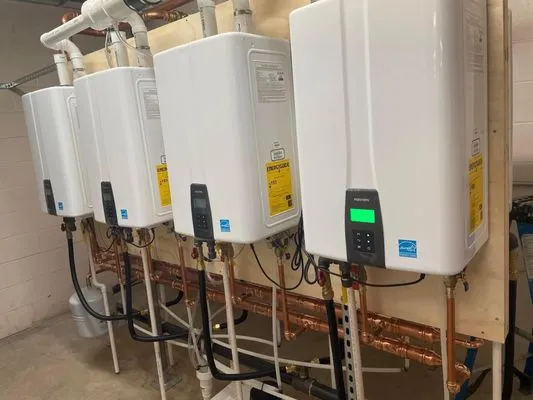
Bacon's Drain Cleaning and Plumbing is a family-operated McKeesport plumbing service built on a straightforward principle: getting professional help shouldn't cost you an arm and a leg. We took our ye...
Founded in 2018 by a Registered Master Plumber with over 17 years of experience, Affordable Drain Cleaning and Plumbing Repairs is a local, owner-operated company serving McKeesport and the greater Pi...
MK Plumbing is a trusted, licensed plumbing service operating out of Indiana, PA, and serving homeowners and businesses in Penn Run and the surrounding area. We provide a comprehensive range of servic...
Estimated Plumbing Costs in Rose Township, PA
Frequently Asked Questions
Are my 1960s copper pipes a problem in older Rose Township homes?
Your copper plumbing is now 62 years old. At this age, the original protective lining inside the pipes has often worn thin. Homeowners in Rose Valley are now seeing frequent pinhole leaks, especially at soldered joints, which is a classic failure point for copper of this vintage. The constant low-level leaks can lead to water damage inside walls and under floors if not addressed.
Who handles permits for a bathroom remodel in Rose Township?
Permits for plumbing work go through Jefferson County Planning and Zoning, and all installations must meet Pennsylvania Department of Labor and Industry code. As a licensed master plumber, I pull those permits and schedule the required inspections. My job is to manage that red tape and ensure the work passes code, so you don't have to navigate the process yourself.
How long does it take for a plumber to reach my house in Rose Township?
Our typical dispatch route heads past the Jefferson County Fairgrounds to access I-80, which puts us on a direct path into most of the township. From that starting point, we plan for a 45 to 60 minute response window to account for local road conditions. We provide a specific ETA once we're on the road so you know exactly when to expect us.
What should I do to prepare my pipes for spring in Jefferson County?
The spring thaw after our 18-degree lows is the peak time for plumbing issues. A key pro-tip is to check all exterior hose bibs for freeze damage as soon as the ground softens. Turn the water on slowly and check for leaks at the connection to the house. Also, inspect your basement or crawlspace for any new dampness, as thawing ground can shift pipes and reveal winter cracks.
Does hard well water damage my plumbing fixtures?
Yes, the mineral-rich water from private wells here accelerates scale buildup. This limescale coats the inner workings of faucets, shower valves, and, most critically, the heating elements in your water heater. The scale acts as an insulator, forcing the heater to work harder and reducing its lifespan. A water softener is often a necessary investment to protect your entire system.
Can the hilly land around here cause plumbing problems?
The sloping terrain common near the Jefferson County Fairgrounds directly stresses your main water line. The constant gravitational pull on the pipe can fatigue connections over time. It also affects drainage around your foundation, which can lead to excess hydrostatic pressure against basement walls and floor drains. Proper grading and secure pipe anchoring are essential in this landscape.
As a rural homeowner with a well and septic, what should I watch for?
Your private well and septic system are a closed loop. A sudden drop in water pressure could indicate a well pump issue or a major leak in the pressure tank. Conversely, slow drains or gurgling sounds often point to a full septic tank or a problem with the drain field. These systems require separate but equally important maintenance compared to municipal services.
What causes those tiny leaks in my copper pipes?
Pinhole leaks in 1964-era copper are often due to a combination of age and water chemistry. Over six decades, the internal pipe wall erodes from the constant flow of water, particularly where the solder joins two sections. This creates a weak spot where a small hole can form, leading to a persistent drip. It's a systemic issue for homes built in that period.
