Top Emergency Plumbers in Riverview Park, PA, 19605 | Compare & Call

There are 135 plumbing companies server in Riverview Park PA
Zoom Drain in Plymouth Meeting, PA, is built on a legacy of family, hard work, and dedication to local service. Founded nearly three decades ago by Jim Criniti and his family, the business grew from a...
Burnside Plumbing and Heating
Burnside Plumbing and Heating is a true family operation, built on generations of plumbing expertise right here in Berwyn. Founded by Greg, a master plumber since 1984 who learned the trade from his f...

Hi, I'm Jim Morrow, owner-operator of James Morrow Electrician. My passion for electrical work started in 9th grade shop class—I wasn't just satisfied to see a light turn on; I needed to understand th...

Elek Plumbing has been serving Allentown and the Lehigh Valley since 1913, when Hungarian immigrant William Elek Senior founded the business in Bethlehem. Now in its third generation of family ownersh...
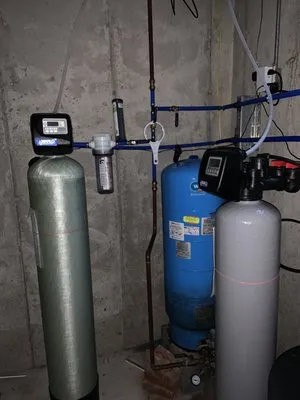
EMJ Plumbing is a trusted, family-owned and operated plumbing service that has been a reliable fixture in Hokendauqua and the greater Lehigh Valley for over 15 years. Our experienced team specializes ...
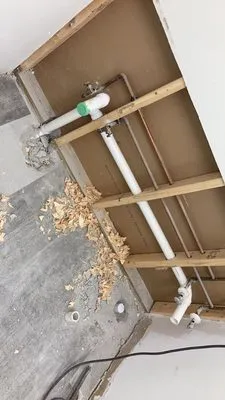
Star Plumbing and Fixture Repair is a locally owned and operated plumbing service in Stiles, PA, founded by Tim, who brings 4 years of hands-on experience from working with various companies on projec...

Essig Plumbing & Heating has been serving Berks County since 1938 as a family-owned plumbing and HVAC contractor. With three generations of experience, we provide comprehensive services including plum...
Maitz Home Services
Maitz Home Services is a trusted, licensed home improvement contractor (PA005662) serving Allentown, PA, and the surrounding communities. For over 50 years, we have built our reputation on a simple, p...
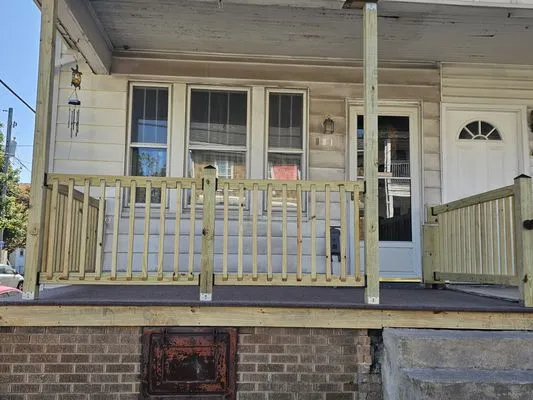
Lynn's Handyman Services is a trusted local provider in Tamaqua, PA, offering comprehensive home repair and maintenance solutions. With expertise spanning appliance installation and repair, plumbing, ...
Clear Flow Water Solutions is your trusted, local plumbing expert serving Oley, PA, and the surrounding communities. We specialize in a comprehensive range of residential and commercial plumbing servi...
Estimated Plumbing Costs in Riverview Park, PA
Question Answers
Could the hilly land in Riverview Park be causing my drainage issues?
Absolutely. The slope puts constant, uneven stress on the main sewer lateral running from your house to the municipal line at the street. Over decades, this can cause the pipe to sag or separate at joints, creating a belly that collects waste and leads to chronic clogs. Downspout drainage is also critical here; water must be directed well away from the foundation to prevent basement seepage following the grade.
How long does it take for a plumber to get to Riverview Park for an emergency call?
From our local shop, a common dispatch route heads past Riverview Park on I-376, which typically allows for a 30 to 45 minute response window to the Estates. We factor in riverfront traffic and construction on that corridor. Knowing the specific access points to your neighborhood helps us avoid delays once we exit the highway.
Why do my copper pipes keep springing pinhole leaks?
Copper installed in 1970 has endured decades of our area's hard water. Microscopic scale buildup creates a corrosive environment inside the pipe wall, leading to pinhole failures. This is especially common in hot water lines and where pipes contact concrete. The problem is rarely a single spot; once one pinhole appears, others are often developing nearby in pipes of the same age and exposure.
What's the best way to prevent frozen pipes here with our winters?
Our average lows around 22°F mean sustained freezes are a real threat. The pro-tip for this temperate climate is to act before the deep winter cold, not during it. Insulate all pipes in unheated crawl spaces facing the river valley, and disconnect garden hoses by late fall. The most critical period is often the spring thaw, when repeated freeze-thaw cycles can split pipes that seemed fine all winter.
As a suburban homeowner, what's my responsibility for the sewer line?
You own the entire lateral from your house to the connection at the main sewer in the street. In older suburbs like this, the most common issues are root intrusion at pipe joints and general collapse due to age. Municipal water pressure is generally reliable, but any work on your side of the meter, including that buried lateral, is your responsibility to maintain and repair.
Does Allegheny River water damage water heaters?
Yes, the mineral content from the river accelerates scale formation. In a water heater, this sediment settles and insulates the heating element, forcing it to work harder and fail prematurely. You'll hear more rumbling and banging from the tank. Annual flushing can help, but after 12-15 years, the scale damage to the tank's interior is often irreversible.
What permits do I need for a bathroom remodel in Pittsburgh?
Any alteration to plumbing requires a permit from the Pittsburgh Bureau of Building Inspection. My credentials with the Pennsylvania Department of Labor and Industry allow me to pull all necessary permits on your behalf. I handle that red tape, ensuring the work passes inspection for your certificate of occupancy, so you don't have to navigate the process yourself.
My Riverview Park Estates home was built in the early 1970s. Should I be worried about the plumbing?
Homes built around 1970, like many in this area, have copper pipes that are now 55-56 years old. That's a critical lifespan for this material. You're likely seeing the first signs of systemic wear: persistent pinhole leaks in horizontal runs, especially under slabs, and a noticeable drop in water pressure from scale accumulation. This isn't random failure; it's the predictable aging of the entire plumbing system.
