Top Emergency Plumbers in Reynoldsville, PA, 15851 | Compare & Call

There are 10 plumbing companies server in Reynoldsville PA
Ricket's Construction serves Thompson, OH, with a dual focus on commercial and residential property maintenance and improvement. While we specialize in commercial maintenance—including lawn care, faci...
MK Plumbing is a trusted, licensed plumbing service operating out of Indiana, PA, and serving homeowners and businesses in Penn Run and the surrounding area. We provide a comprehensive range of servic...
Eric Gilbert Plumbing
Eric Gilbert Plumbing has been a trusted name for homeowners and businesses in Glen Campbell, PA, and the surrounding communities. Founded on principles of integrity and skilled workmanship, the compa...
Hello, I'm Dave, owner of J&D Handy Service in Mount Pleasant. My journey started six years ago in Brookville, repairing small engines and ATVs. After moving to Johnstown, I expanded into servicing de...
Gould's Water Systems
Serving the Rochester Mills area, Gould's Water Systems is your trusted local partner for comprehensive plumbing and water treatment solutions. We specialize in the installation, repair, and maintenan...
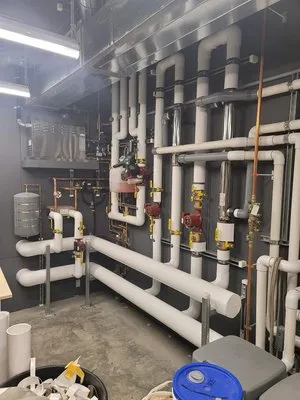
The Landmark Group is Rockton's trusted, full-service plumbing and HVAC provider, dedicated to keeping local homes comfortable and functional. We understand that Rockton homeowners frequently face plu...

M M Plumbing & Heating is a trusted, locally-owned plumbing company serving Reynoldsville, PA, and the surrounding areas. We specialize in comprehensive plumbing inspections and repairs, with particul...

J C Bojalad Plumbing & Heating is a trusted, locally-owned plumbing service in Reynoldsville, PA, dedicated to solving the common and frustrating plumbing issues homeowners face. We understand the urg...
Casey's HVAC in Dubois isn't just a business; it's a personal commitment built on trust and reliability. After being laid off during the recession, Casey transformed a reputation for excellent work in...
Jack's Heating is your trusted local plumbing expert serving Reynoldsville, PA, and the surrounding communities. We specialize in professional plumbing inspections to proactively identify and address ...
Estimated Plumbing Costs in Reynoldsville, PA
Common Questions
Do I need a permit to replace my water heater or repipe my house?
Yes, most major plumbing work in Jefferson County requires a permit from the local Planning and Zoning office, and the installation must meet Pennsylvania Department of Labor and Industry code. As a licensed master plumber, I pull those permits and schedule the required inspections. My credential means I handle that red tape and ensure the work is done to the current safety and building standards, so you don't have to navigate the process yourself.
Is plumbing different for a rural house versus one in town here?
The core principles are the same, but the systems differ. Outside the borough, you're typically on a private well and septic system, not municipal water and sewer. This means maintaining the pressure tank, well pump, and septic field becomes your responsibility. In town, you're dealing with public water pressure and shared sewer mains, though the service line from the street to your house is still your property to maintain. Knowing which system you have dictates the maintenance and repair approach.
Why do my old pipes keep springing pinhole leaks?
Galvanized steel pipe from the late 1930s fails in a specific way. Decades of internal corrosion and mineral scale from our hard water create weak spots. The pipe wall thins from the inside out until a pinhole leak develops, often at a threaded joint or a section where the zinc coating was imperfect. These leaks aren't random; they're a predictable symptom of the pipe's age and material, signaling the entire line is nearing the end of its service life.
I live in a house near Main Street in Reynoldsville. My water pressure has dropped and I see rust stains. What's happening?
Houses built in Reynoldsville's 1938-era neighborhoods have galvanized steel supply lines that are now 88 years old. At this age, the zinc coating inside the pipe has worn away completely. The exposed steel rusts, and that rust builds up in layers until the interior diameter of the pipe is just a pinhole, which causes the low pressure. The rust you see is often the first sign the pipe wall is thinning and will soon spring a leak.
Could the hilly land around here cause plumbing problems?
The slope of the land, like near Reynoldsville Community Park, directly stresses the main sewer line running from your house to the street. Gravity pulls waste down, but the constant tension on pipe joints over decades can cause them to separate or settle improperly. This leads to slow drainage, blockages, or infiltration from tree roots seeking the moisture at a loose connection. It's a common issue we address by inspecting the line's alignment and pitch.
Does the hard water here in Reynoldsville damage my plumbing?
Yes, the mineral content from sources like Sandy Lick Creek leads to significant scale buildup. This is most evident inside your water heater, where scale acts as an insulator, forcing the unit to work harder and fail prematurely. On fixtures and faucet cartridges, the gritty scale causes wear and stops valves from sealing properly. A whole-house water softener is the standard fix here to protect appliances and extend the life of your pipes.
What should I do to get my plumbing ready for winter here?
Our winters in this Snow Belt, with lows around 16°F, demand proactive steps. Before the first hard freeze, disconnect and drain all outdoor hoses. Shut off the interior valve to outside faucets and open the exterior spigot to drain the line. The biggest risk is the rapid spring thaw, which can reveal leaks that formed over winter. Checking for drips in your basement or crawlspace as things warm up in March can catch a small problem before it becomes a major one.
How fast can you get to my house for an emergency leak in Reynoldsville?
For calls in the Reynoldsville area, my typical dispatch route has me heading past Reynoldsville Community Park to catch I-80. From there, I can access most parts of town within a 45 to 60 minute window from receiving your call. This routing is efficient whether you're off Main Street or further out, letting me get my truck on site to stop the water and assess the damage promptly.
