Top Emergency Plumbers in Radnor, PA, 19008 | Compare & Call

There are 239 plumbing companies server in Radnor PA
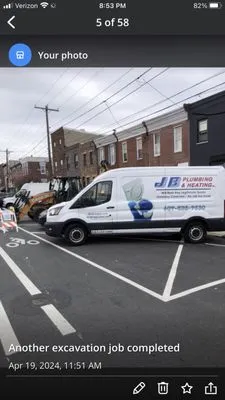
Since 1979, JB Plumbing and Heating has been a family-owned and operated plumbing service in Philadelphia. As the owner for the last 30 years, I ensure we are a licensed, registered, and punctual team...
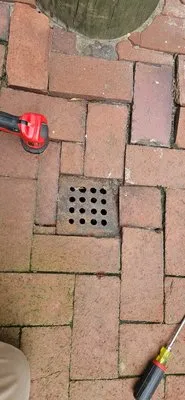
Philadelphia Plumbing Services, LLC is a locally owned and operated plumbing company established in 2012. Our registered Master Plumber and team provide reliable residential and commercial plumbing se...

John Snyder Plumbing and Heating
John Snyder Plumbing and Heating is a locally owned and operated plumbing service serving Philadelphia and Montgomery County. With over 20 years of experience as a Registered Master Plumber, John spec...
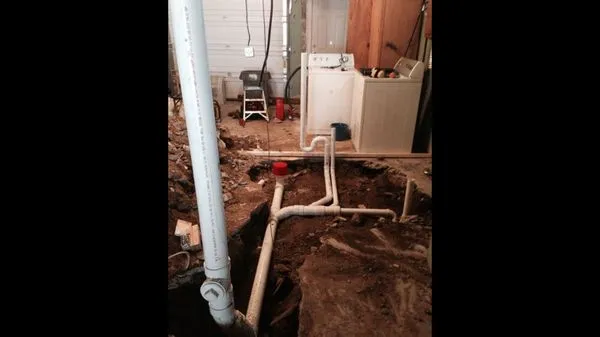
A-1 Handyman & Home Plumbing Service is a trusted, local provider dedicated to keeping Philadelphia homes in working order. We specialize in home plumbing repairs and handyman services for residents a...
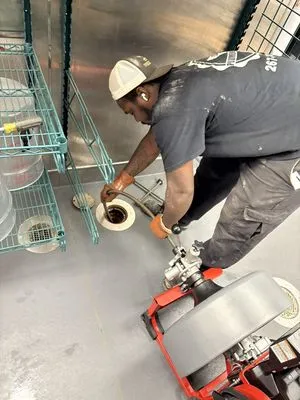
Boss Plumbing & Heating
As a family-owned, licensed, and insured business serving the Greater Philadelphia area, Boss Plumbing & Heating brings a personal touch to every job. Our team arrives at your door ready to listen, tr...
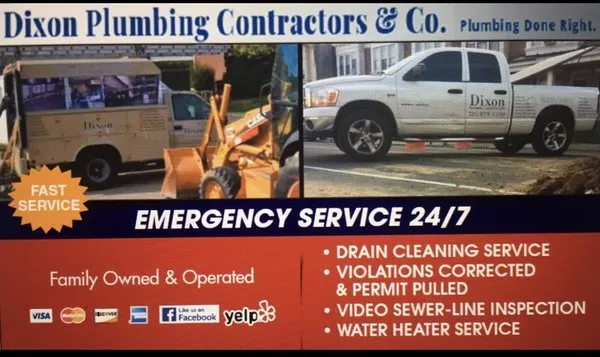
For over 25 years, Dixon Plumbing Contractors has been a trusted local plumber serving Philadelphia, Delaware County, and Montgomery County. As a Registered Master Plumber based in Philadelphia, owner...
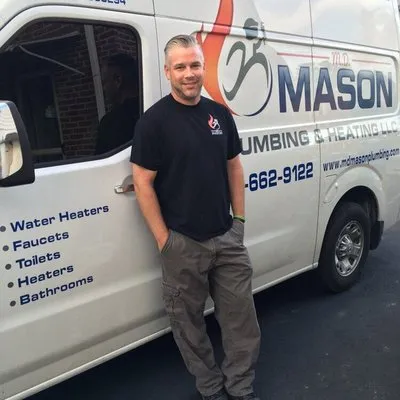
M D Mason Plumbing & Heating
M D Mason Plumbing & Heating is a trusted local business owned and operated by Master Plumber Michael Mason, who has over 15 years of experience serving Delaware County and the Main Line. Michael resi...
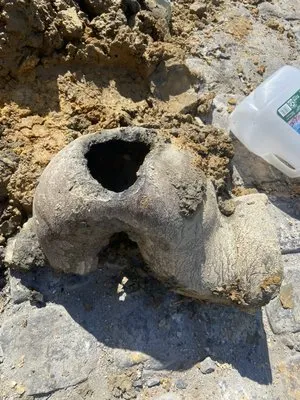
Plumbing Pals
Plumbing Pals is a family-owned and operated plumbing company serving Philadelphia and the surrounding communities. We specialize in drain cleaning, hydro jetting, and camera scope inspections, provid...
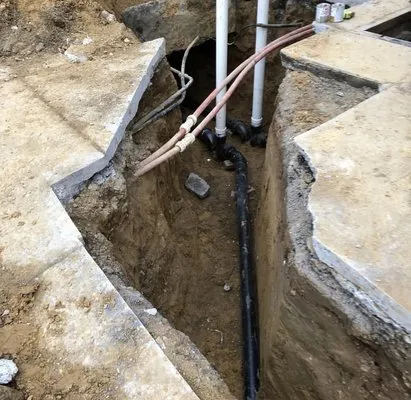
Aqua Plumbing & Heating
Aqua Plumbing & Heating is a family-owned Philadelphia plumbing and HVAC company dedicated to providing reliable service for both homes and businesses. We handle everything from emergency repairs on l...
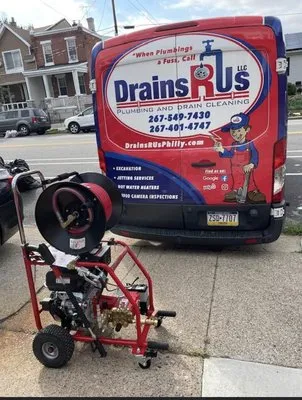
Drains R Us Plumbing and Drain Cleaning
Drains R Us Plumbing and Drain Cleaning is a Philadelphia-based plumbing company founded by two experienced professionals with over a decade of experience at one of the world's largest plumbing compan...
Estimated Plumbing Costs in Radnor, PA
Q&A
Could the hilly terrain near Radnor Trail be causing my drainage issues?
Hilly slopes around Radnor Trail create drainage challenges that put constant stress on your main sewer line. Gravity works against you on steep grades, causing waste to move too quickly and leaving solids behind that eventually cause blockages. Soil erosion on slopes can expose or damage buried pipes. Properly graded drainage and regular main line cleaning become essential maintenance in this terrain.
Does Schuylkill River water affect my plumbing fixtures?
Water from the Schuylkill River has high mineral content that creates hard water scaling throughout your plumbing system. Scale buildup inside water heaters reduces efficiency by 20-30% and shortens their lifespan. Fixtures like showerheads and faucet aerators clog with mineral deposits, requiring frequent cleaning or replacement. Installing a whole-house water softener can mitigate these effects and protect your appliances.
Do I need permits for plumbing work in Radnor Township?
Radnor Township Building and Planning Department requires permits for most plumbing work, including repiping and water heater replacements. My Pennsylvania Department of Labor and Industry credentials mean I handle all permit applications and inspections as part of the job. You won't need to navigate township requirements or schedule inspections—I manage the red tape so your project stays compliant and moves forward smoothly.
My home in Wayne was built around 1958. What should I expect from my plumbing now?
Galvanized steel pipes installed in 1958 are now 68 years old. Homeowners in Wayne are seeing widespread failures at this stage, with entire sections of pipe corroding from the inside out. You might notice reduced water pressure, discolored water, or sudden leaks appearing in multiple locations. This isn't just about fixing one leak—it's about addressing systemic failure that requires comprehensive repiping.
How quickly can a plumber reach my home in Radnor during an emergency?
Heading past Radnor Trail on I-476 gets me to most Radnor addresses within 30-45 minutes. I keep a truck stocked with common repair parts for homes in this area, including galvanized steel fittings and dielectric unions. That dispatch route means I can assess your situation and begin work immediately upon arrival, without needing to return to a supply house.
As a suburban homeowner, what unique plumbing concerns should I watch for?
Suburban homes in Radnor typically connect to municipal water systems with consistent pressure that can accelerate failures in aging pipes. Tree roots seek out the smallest cracks in your lateral line, especially during dry periods. Unlike rural properties with wells and septic systems, you're dealing with township water regulations and shared infrastructure. Regular camera inspections of your lateral line can catch root intrusions before they become major blockages.
Why do my older pipes keep springing pinhole leaks?
Galvanized steel pipes from 1958 develop pinhole leaks due to internal corrosion that's been building for decades. The zinc coating wears away first, then the steel begins oxidizing from the inside. Joint calcification compounds the problem—mineral deposits at connections create stress points that crack under normal water pressure. These failures typically start in horizontal runs and at elbows where water sits longest.
What should I do before spring thaw to prevent plumbing problems?
Before temperatures rise above freezing consistently, check all exposed pipes in basements and crawl spaces for existing cracks or weaknesses. Spring thaw at 24°F low temperatures causes ground movement that can stress already-compromised connections. Insulate pipes in unheated areas and ensure proper drainage away from your foundation. This proactive approach prevents emergency calls when everyone else is dealing with thaw-related leaks.
