Top Emergency Plumbers in Progress, PA, 17109 | Compare & Call

There are 204 plumbing companies server in Progress PA
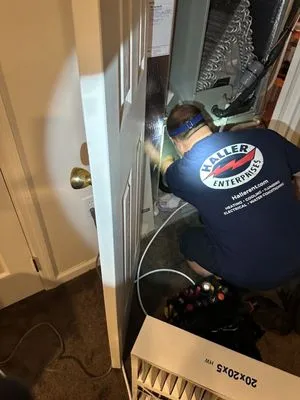
Haller Enterprises
Founded in Lititz in 1981 by Rick Haller, Haller Enterprises has grown from a one-man operation into a trusted local provider with nearly 400 employees, serving Pennsylvania and beyond. With five bran...
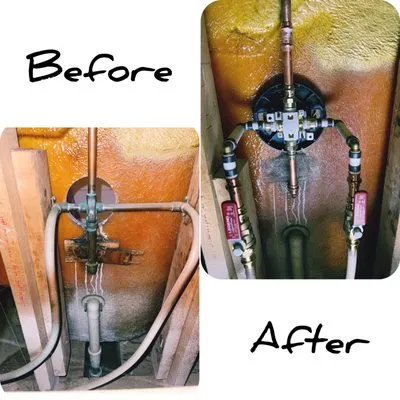
Gill's Plumbing & Mechanical is a trusted local provider serving Lebanon, PA, and the surrounding communities. We specialize in comprehensive service plumbing, from routine maintenance and emergency r...
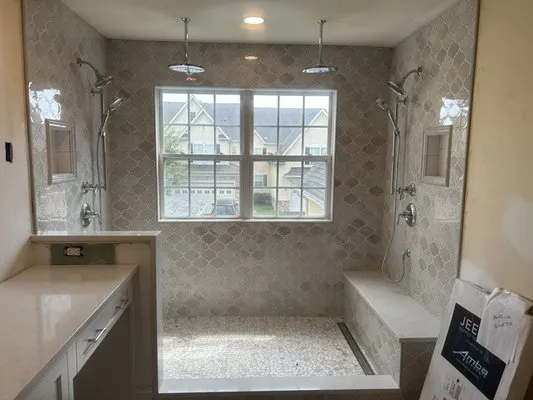
Mountain Top Mechanical is a trusted plumbing service provider for Reinholds, PA, and the surrounding communities. We understand the local challenges homeowners face, particularly with basement floodi...

Coss & Sons Home Services is a family-owned and operated business dedicated to serving the homeowners of Elizabethtown and surrounding Lancaster County. We specialize in a comprehensive range of home ...
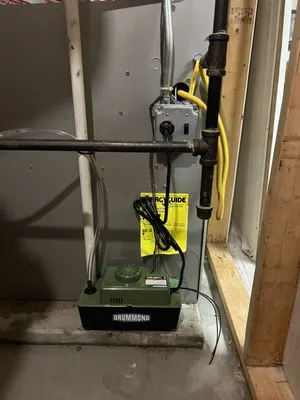
American Home Repairs & Installations
American Home Repairs & Installations is your trusted local home service provider in East York, PA. We understand that a happy home is a functional one, which is why we focus on getting the job done r...

1776 Plumbing & Drains
1776 Plumbing & Drains is a locally owned and operated plumbing company serving Shermans Dale and all of Central Pennsylvania. Our team brings over 50 years of combined hands-on experience to every jo...
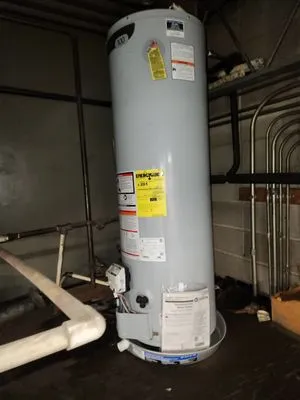
Advanced Plumbing Solutions is your trusted, licensed plumbing expert serving York, PA, and the surrounding communities. We understand the common frustrations local homeowners face, from persistent to...
Drip Drop Plumbing & Drains is a family-owned and operated plumbing company serving Annville and the central Pennsylvania area. With years of experience in the trade, we bring specialized knowledge, s...
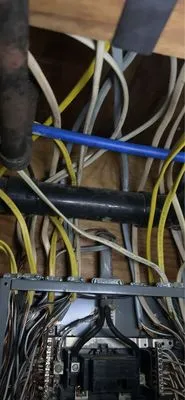
HL Bowman Inc is a third-generation, family-owned HVAC and plumbing company that has been a trusted part of the Harrisburg community for over 65 years. Operating from the same location for 38 years, t...
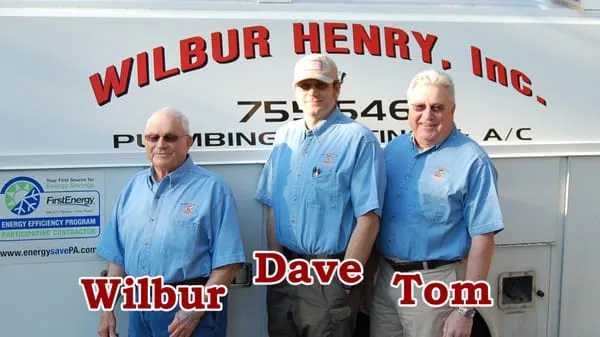
Wilbur Henry Plumbing Heating and A/C
Wilbur Henry Plumbing, Heating, & A/C has been a trusted name for York, PA homeowners since 1960. As a second-generation family business now owned by Tom, we build on decades of local experience to pr...
Estimated Plumbing Costs in Progress, PA
Frequently Asked Questions
Who handles permits for a plumbing job in Susquehanna Township?
Any significant repair or repipe requires permits from the Susquehanna Township Building and Zoning Department. As a licensed master plumber credentialed with the Pennsylvania Department of Labor and Industry, I pull those permits, schedule the required inspections, and ensure the work meets all code. Homeowners do not need to navigate that process themselves.
How old are the pipes in Progress and what issues should I look for?
The galvanized steel plumbing in most of Progress was installed around 1959, making it 67 years old now. At this age, the zinc coating inside the pipes has fully deteriorated, leaving the bare steel exposed to constant water contact. Homeowners in Progress Heights are reporting a noticeable drop in water pressure and persistent rust-colored water, which are the first clear signs the pipes are actively corroding from the inside out.
Why do my galvanized pipes keep springing leaks?
Galvanized steel from the 1950s and 60s fails in a predictable way. The interior corrodes unevenly, creating thin spots that eventually become pinhole leaks. More critically, mineral scale from our hard water builds up and completely seals the pipe at the threaded joints, a process called joint calcification. This stops all water flow to that branch, which is why you might suddenly have a dead faucet or toilet on one side of the house.
Does Susquehanna River water damage my plumbing fixtures?
Yes, the mineral content in the river contributes to very hard water. This scale accumulates inside appliances and on fixtures. Your water heater's heating elements become coated, forcing it to work harder and fail sooner. You will also see scale crusting on showerheads and faucet aerators, which restricts flow and can cause premature valve failure.
As a suburban homeowner, what should I know about my water and sewer lines?
You are connected to municipal water and sewer. The water pressure from the main is generally stable, but aging galvanized pipes inside your home restrict it. Your responsibility begins at the property line shut-off valve. The sewer lateral from your house to the street main is also your responsibility; in these older neighborhoods, tree roots seeking moisture are a frequent cause of blockages in that pipe.
How fast can a plumber get to my house in Progress?
Our typical dispatch route starts near the Susquehanna River, heading up onto I-81. We exit at Progress and are in the neighborhoods within 20 to 30 minutes. Traffic on I-81 is the main variable, but we know the local routes to get around any backups and reach you directly.
What's the best time of year to check my plumbing in Pennsylvania?
Schedule a proactive inspection in late fall, before temperatures consistently hit the 24-degree low mark. The spring thaw creates a peak in call volume for burst pipes that froze over winter. Addressing vulnerable lines, like those in crawl spaces or exterior walls, before the first hard freeze prevents the most common emergency we see each year.
Can the hilly land in Progress cause plumbing problems?
The slope of the land puts consistent stress on your main sewer line. Over decades, the pipe can settle or develop a low spot, leading to recurring drain clogs and backups. Soil erosion near the Susquehanna River basin can also expose or undermine underground lines, making them more susceptible to damage from shifting ground or root intrusion.
