Top Emergency Plumbers in Price, PA, 18301 | Compare & Call

There are 237 plumbing companies server in Price PA

Hi, I'm Jim Morrow, owner-operator of James Morrow Electrician. My passion for electrical work started in 9th grade shop class—I wasn't just satisfied to see a light turn on; I needed to understand th...
MK Plumbing is a trusted, licensed plumbing service operating out of Indiana, PA, and serving homeowners and businesses in Penn Run and the surrounding area. We provide a comprehensive range of servic...
Ryland Services is a trusted provider of comprehensive maintenance solutions for Creekside, PA residents and businesses. We specialize in HVAC, plumbing, roofing, and electrical services, delivering r...
NPM Plumbing is a family-owned plumbing business serving Lehighton, PA, and surrounding Carbon County areas with over 27 years of experience. We handle everything from routine maintenance and repairs ...
Andreas Plumbing, Heating & Air Conditioning
Andreas Plumbing, Heating & Air Conditioning is a family-run, four-generation business proudly serving Lehighton and the surrounding Carbon County area. Founded on a deep commitment to the community, ...
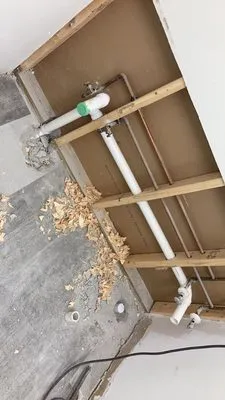
Star Plumbing and Fixture Repair is a locally owned and operated plumbing service in Stiles, PA, founded by Tim, who brings 4 years of hands-on experience from working with various companies on projec...
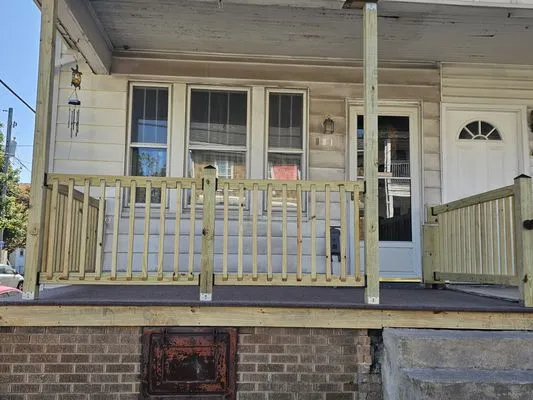
Lynn's Handyman Services is a trusted local provider in Tamaqua, PA, offering comprehensive home repair and maintenance solutions. With expertise spanning appliance installation and repair, plumbing, ...
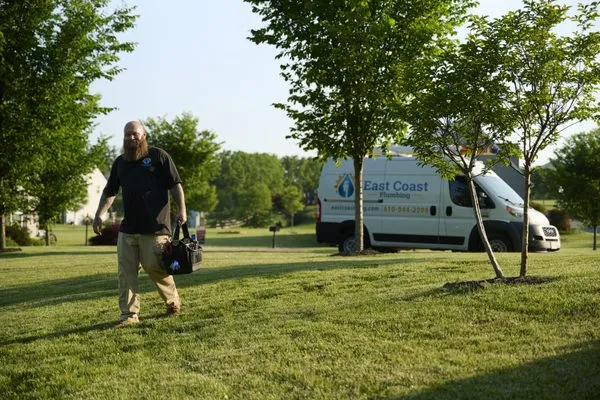
East Coast Plumbing
East Coast Plumbing is your trusted local plumber serving Barto and the surrounding communities in Montgomery, Bucks, Berks, and Lehigh Counties. We provide reliable residential and commercial plumbin...

Two Guys Plumbing Heating & Cooling
Two Guys Plumbing Heating & Cooling is a locally owned and operated business serving Kutztown, PA, and the surrounding areas since 2005. Founded by Pat and Rich, who each brought over 20 years of prio...
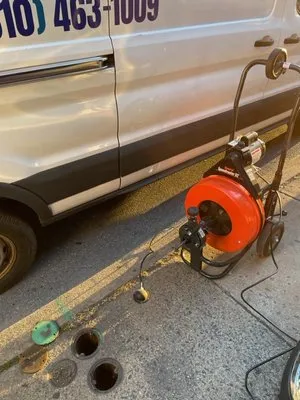
Apex Drain is a family-owned and operated drain cleaning and plumbing service proudly serving the Birdsboro community and greater Berks County. With over a decade of hands-on experience, we specialize...
Estimated Plumbing Costs in Price, PA
Q&A
Are septic system issues common for rural homes near Price?
They are a primary concern. With no municipal sewer, your septic tank and drain field are critical. The age of the home means the original septic components are as old as the plumbing. We frequently find that tree roots have infiltrated clay tile fields or that the tank itself has deteriorated. Regular inspection and pumping are not optional; they're necessary to avoid a complete system failure that is far more costly to repair.
Who pulls permits for a water heater replacement in Monroe County?
A licensed master plumber handles all required permits and inspections. For any significant plumbing work, I coordinate directly with the Monroe County Planning and Zoning Department and ensure all installations meet the current codes enforced by the Pennsylvania Department of Labor and Industry. My credential means I manage that red tape for you, from the initial application to the final inspection sticker.
How fast can a plumber get to my house in Price?
Our standard dispatch for an emergency call has us heading past Price Memorial Park onto US-220 within minutes. Using that route, we can typically reach most homes in the area within a 45 to 60 minute window, depending on your specific location off the main corridor. We plan our routes to minimize travel time on back roads.
Does having a private well affect my plumbing fixtures?
Yes, significantly. Water from private wells in our area tends to be acidic and corrosive. This water aggressively attacks the sacrificial anode rod inside your water heater, consuming it faster than municipal water would. You'll also see blue-green staining on fixtures from corroding copper pipes and premature failure of faucet cartridges. Installing a whole-house acid neutralizer is a standard recommendation to protect your investment.
Could the hills around Price Memorial Park cause plumbing problems?
The hilly terrain absolutely stresses plumbing systems. The constant slope means your main sewer line or septic inlet is under more gravitational pressure, which can accelerate wear on older pipes. For homes built on a slope, we often find that soil erosion over decades has left sections of the main line inadequately supported, leading to sagging, bellies, and eventual blockages that require excavation.
What's the most important spring plumbing maintenance for Price?
Before the spring thaw hits its peak, walk the perimeter of your home and clear any debris from foundation drains and downspout extensions. Our temperate climate still sees lows around 18°F, and the rapid freeze-thaw cycles can shift the ground and put stress on your main water line where it enters the house. Ensuring proper drainage away from that entry point is a simple pro-tip to prevent a major leak.
I have a small, rusty leak behind my washing machine. What causes that?
That's a classic pinhole leak from aged galvanized steel. The pipes installed in 1953 have a protective zinc coating that wore off decades ago, leaving the underlying steel exposed. Corrosion attacks from the inside out, creating weak spots that finally give way. These leaks often start at pipe joints or where threads have been cut, and they signal the entire system is nearing the end of its service life.
Why is my water pressure so low in my Price home?
Your house was likely built around 1953, which means the galvanized steel plumbing is now 73 years old. At this age, mineral scale and rust build-up inside the pipes severely restricts water flow. Homeowners in Price Center often report a gradual but noticeable drop in pressure over the last few years, eventually leading to just a trickle at faucets farthest from the main line. This internal corrosion is a predictable failure point for systems of this vintage.
