Top Emergency Plumbers in Polk, PA, 18058 | Compare & Call

There are 31 plumbing companies server in Polk PA

At Hydro-Flow Plumbing & Drain in Warren, OH, we understand that plumbing issues demand a swift and reliable response. With over three decades of dedicated service in North East Ohio and Western Penns...
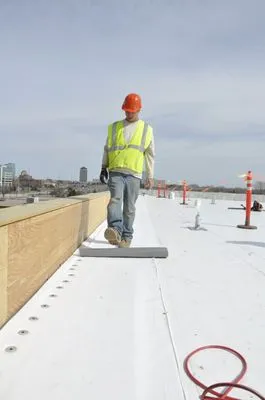
Ricket's Construction serves Thompson, OH, with a dual focus on commercial and residential property maintenance and improvement. While we specialize in commercial maintenance—including lawn care, faci...
Venturella & Sons Plumbing & Heating
Venturella & Sons Plumbing & Heating is a family-owned and operated business serving Rome, OH, and the surrounding communities since 1983. Founded by Danny Venturella, a Cleveland native who moved his...
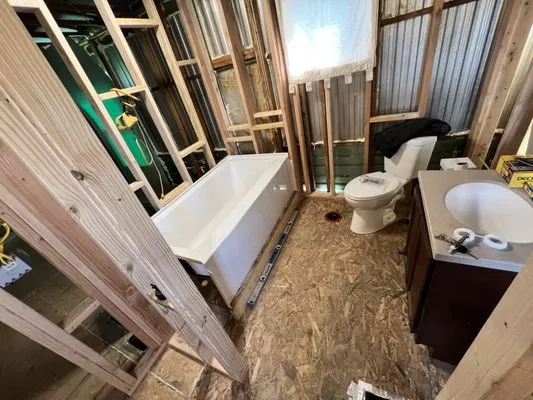
Pressure Pro's Plumbing Experts is Grove City's trusted local plumbing service, specializing in comprehensive solutions for residential plumbing needs. Serving the Grove City community, we address com...
Reichard Water Works
Reichard Water Works is a family-owned plumbing, heating, and air conditioning business serving Shippenville, PA, and surrounding areas within 30 miles of Clarion County. Owned by Chris Reichard, we s...

Just Fix It is a fully licensed and insured general contractor serving Meadville, PA, and the surrounding 50-mile area. With over a decade of hands-on experience, we provide a comprehensive range of p...
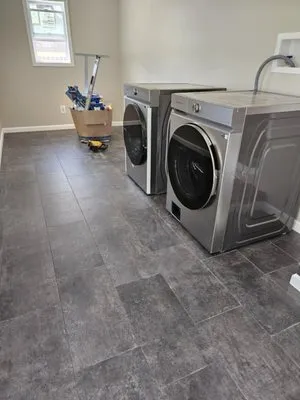
Freeman Construction Co LLC is a family-owned and operated business serving Pleasantville and the surrounding area for over 25 years. Founded by Richard, a contractor known for his hands-on expertise ...
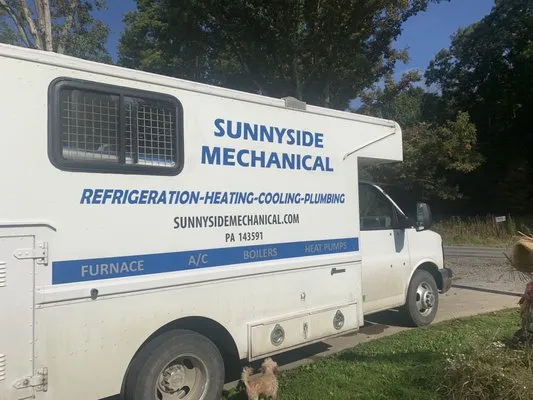
Sunnyside Mechanical
Sunnyside Mechanical is a trusted HVAC, refrigeration, and plumbing contractor serving the Meadville area. We specialize in both commercial and residential service and repairs, offering comprehensive ...
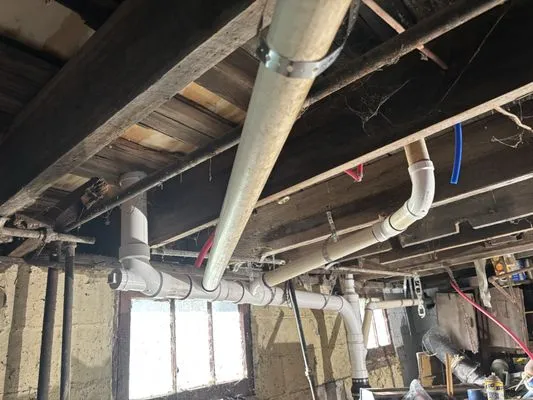
Noah Guy is a trusted handyman and repair specialist serving West Middlesex, PA, and the surrounding communities. We offer a wide range of home maintenance and improvement services, from cabinet repai...

Rooter-Man of Grove City is a locally owned and operated plumbing service from the Stahl Brothers. We've built our reputation over 40+ years by providing reliable, professional plumbing and drain clea...
Estimated Plumbing Costs in Polk, PA
Questions and Answers
My yard near the Venango County Courthouse area is on a slope. Could that be affecting my main sewer line?
Yes, the hilly terrain around Polk puts constant, uneven stress on underground pipes. Over decades, this can cause the main sewer line to settle, sag, or even separate at the joints. A telltale sign is repeated slow drains in lower-level fixtures. The slope also affects drainage; surface water runoff can erode soil around the line, removing its support and leading to a break.
How quickly can a plumber get to my house in Polk if I have a burst pipe?
For a true emergency, our dispatch route from Franklin typically heads past the Venango County Courthouse to catch I-80 west. Barring major traffic or winter weather, that puts us at your door in about 45 to 60 minutes. We factor in local road conditions off the interstate to give a realistic arrival window.
What permits do I need for a water heater replacement in Venango County?
Most plumbing replacements, like a water heater, require a permit from the Venango County Planning Commission and a final inspection. As a master plumber licensed by the Pennsylvania Department of Labor and Industry, I handle pulling those permits and scheduling the inspection as part of the job. This ensures the work meets current state code for safety and energy efficiency, so you don't have to navigate the red tape yourself.
What should I do to prepare my pipes for a Polk winter?
With lows hitting 18°F and our location in the snow belt, the main risk is the rapid freeze-thaw cycles during spring. A key pro-tip is to disconnect and drain your garden hoses before the first hard freeze and shut off the interior valve to those spigots. For crawl spaces, ensure vents are closed and consider insulating pipes on exterior walls. The most common calls come from overlooked exterior faucets.
Our house in the Polk Center Historic District was built in the 1950s. Should I be worried about the plumbing?
Homes built around 1952 have plumbing that is now 74 years old. In the historic district, we're seeing galvanized steel pipes from that era fail from the inside out. You'll notice low water pressure first, often followed by rust-colored water at the taps. This internal corrosion is a predictable failure point for every house of that vintage here.
I'm on a private well and septic system outside of town. Are there special plumbing considerations?
Rural plumbing here revolves around your well pump pressure tank and septic system. Hard water accelerates scale buildup in the well tank's bladder and can clog fixtures. For septic, avoid garbage disposals and chemical drain cleaners, as they disrupt the bacterial balance in the tank. It's wise to map the location of your septic tank and drain field to avoid damaging them during any excavation.
What is causing the sudden pinhole leaks in my basement pipes?
Galvanized steel installed in 1952 has a finite lifespan. The zinc coating that protects the steel has worn away after 70-plus years, leaving the bare iron to rust. Pinhole leaks are the first sign of this systemic failure; the pipe wall becomes thin and brittle, often starting at threaded joints where corrosion accelerates. Complete pipe replacement is the only permanent fix.
Why does my water heater keep failing or need elements replaced so often?
Water drawn from the Allegheny River is hard, meaning it has a high mineral content. Those minerals, primarily calcium and magnesium, precipitate out as scale when heated. Inside your water heater, this scale builds up on the heating elements and tank lining, drastically reducing efficiency and lifespan. An annual flush and a properly sized anode rod are critical maintenance steps here.
