Top Emergency Plumbers in Point, PA, 17857 | Compare & Call

There are 234 plumbing companies server in Point PA
Philios Plumbing & Drains is a locally owned and licensed plumbing service serving Bailey's Crossroads and the surrounding communities. We specialize in solving urgent plumbing problems, from sewer ba...
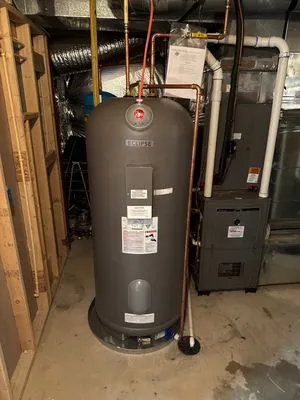
Reddick & Sons
Reddick & Sons is a family-owned and operated Class A contractor based in Manassas, VA, proudly serving Northern Virginia since 2009. Founded by Daniel Reddick, a Prince William County native who hold...
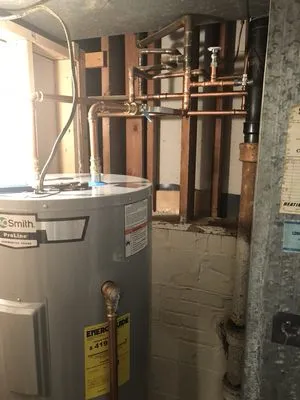
MJW Plumbing Company is a locally owned and operated plumbing service in Great Falls, founded by Michael Whitecotton. A Vienna, VA native, Michael became a certified Master Plumber in 2012 and built h...
Home Service Pros is a trusted, locally-owned contractor serving Alexandria, VA, and the greater Northern Virginia region. Founded by Greg Schick and built from the merger of Quality Sewer & Drain and...
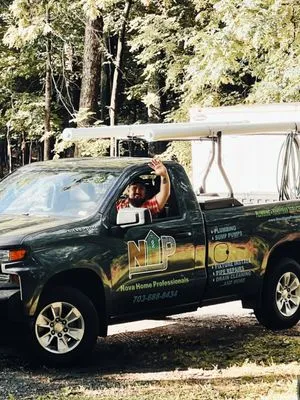
Two Irish Plumbers, formerly Nova Home Professionals, is a fully licensed and insured plumbing company serving Alexandria, VA. Owned and operated by Steven Katz and Ian Harris, we bring over 20 years ...
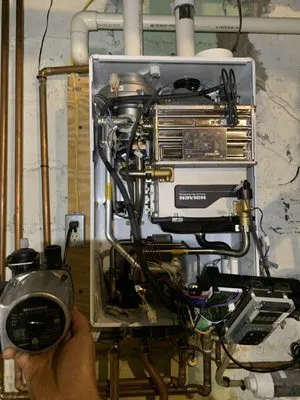
Bob and Kur Plumbing is a family-owned and operated Arlington business founded in 2021 by an experienced plumber with over a decade in the industry. As a father, husband, and son, Bob brings a persona...

Founded by a third-generation Marine and Master Plumber, Marines Service Co. is a veteran-owned business built on the core values of service, honesty, and integrity learned in the US Marine Corps. Bas...

Plumb Professionals is a licensed and insured Class A plumbing and gas service company serving Ashburn and Northern Virginia with over 15 years of professional experience. We specialize in residential...
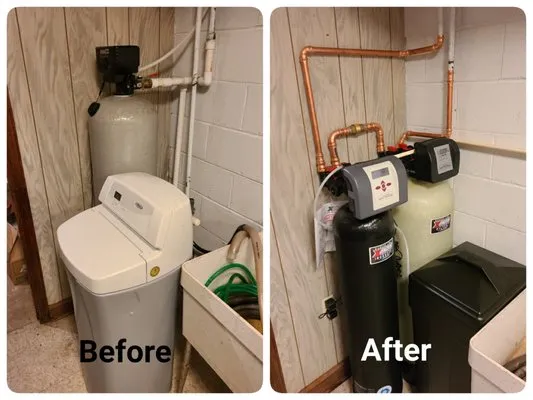
Veteran Plumbing Services
Veteran Plumbing Services is a locally owned, licensed, and insured plumbing company serving Fairfax and Northern Virginia. Founded by a 22-year U.S. Navy veteran with mechanical engineering expertise...

Sami's Plumbing was founded in 2011 on a simple principle: to provide Falls Church homeowners with the same reliable, customer-focused service that families used to count on. We believe in building la...
Estimated Plumbing Costs in Point, PA
FAQs
Does Allegheny River water damage my plumbing fixtures?
The river's hard water causes significant scale buildup in water heaters and fixtures over time. Mineral deposits reduce water heater efficiency by 20-30% and shorten their lifespan. Faucet aerators and showerheads clog faster here than in soft water areas. Installing a whole-house water softener or using dielectric unions at connections helps mitigate these effects.
How quickly can a plumber reach my home in Point?
Heading past Point State Park on I-376, most service calls reach Point Village within 45-60 minutes. That route avoids downtown congestion while providing direct access to residential areas. We monitor traffic patterns to adjust dispatch timing during peak hours. The interstate access makes Point surprisingly reachable despite its location.
My Point Village home was built in 1992 - should I be worried about my plumbing?
Your copper pipes are now 34 years old, which is when we typically see accelerated wear in this area. Homeowners in Point Village are reporting more frequent pinhole leaks and joint failures as the original solder weakens. The copper itself remains structurally sound, but the connections and fittings from that era are reaching their expected lifespan. Regular inspections can catch these issues before they become emergencies.
Who handles permits and inspections for plumbing work in Pennsylvania?
I manage all Pennsylvania Department of Labor and Industry requirements for permits and inspections. My credentials with the department ensure work meets current code standards. Homeowners don't need to navigate the paperwork or schedule inspections themselves. This approach keeps projects moving smoothly while maintaining compliance with state regulations.
As a rural homeowner near Point, what plumbing systems need special attention?
Well pumps and pressure tanks require annual maintenance to ensure consistent water delivery. Septic systems need regular pumping every 3-5 years depending on household size. Municipal water pressure can fluctuate in these areas, so pressure regulators help protect your plumbing. Tree roots are less problematic here than in denser urban settings.
Why do my copper pipes keep springing small leaks?
Copper installed around 1992 often develops pinhole leaks due to electrolytic corrosion between the pipe and fittings. The original flux used during soldering can create weak points that manifest after three decades. We also see joint calcification where mineral deposits compromise the seal. These failures typically occur at elbows and tees rather than straight pipe runs.
What should I do before spring thaw to prevent plumbing problems?
Insulate exposed pipes in crawl spaces and basements before temperatures drop to 21°F. Drain outdoor spigots and disconnect hoses to prevent freeze damage. Check your main shutoff valve for easy access during emergencies. These temperate winters can still cause pipe bursts during sudden cold snaps, especially in older Point homes.
Could the hilly terrain around Point State Park affect my main water line?
The sloping ground puts constant stress on main lines running to hillside properties. Soil movement during freeze-thaw cycles can cause pipe joints to separate or develop stress fractures. Drainage issues are common where water runs downhill toward foundations. We recommend periodic camera inspections of the main line to check for misalignment or developing leaks.
