Top Emergency Plumbers in Plumsteadville, PA, 18902 | Compare & Call

There are 237 plumbing companies server in Plumsteadville PA
Philadelphia Plumbing Services, LLC is a locally owned and operated plumbing company established in 2012. Our registered Master Plumber and team provide reliable residential and commercial plumbing se...
Plumbing Pals
Plumbing Pals is a family-owned and operated plumbing company serving Philadelphia and the surrounding communities. We specialize in drain cleaning, hydro jetting, and camera scope inspections, provid...
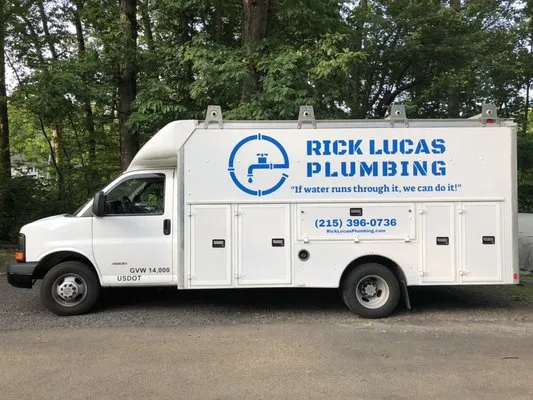
Rick Lucas Plumbing & Remodeling - Plumber in Bucks County
Rick Lucas Plumbing & Remodeling is a family-owned and operated plumbing service proudly serving Feasterville-Trevose and all of Bucks County. With over 35 years of hands-on experience and a master pl...
Goodman Plumbing
Goodman Plumbing has been a trusted name in Philadelphia, Bucks, and Montgomery Counties since 1956. As a second-generation, family-owned and operated business, we bring over six decades of local expe...
Pinnacle Plumbing
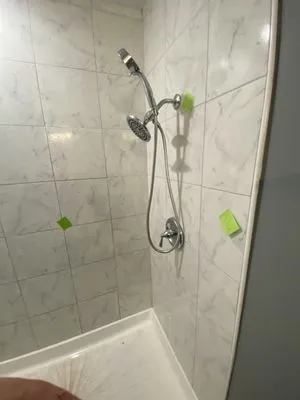
Pinnacle Plumbing is a family-owned and operated business serving Philadelphia with over 25 years of dedicated local experience. We understand that plumbing problems are more than just an inconvenienc...
Valdel Plumbing is a licensed plumbing company serving Norristown, PA, and surrounding areas since 2013. We provide comprehensive plumbing services for both residential and commercial clients, includi...
Facelift Remodelers & Plumbing Services
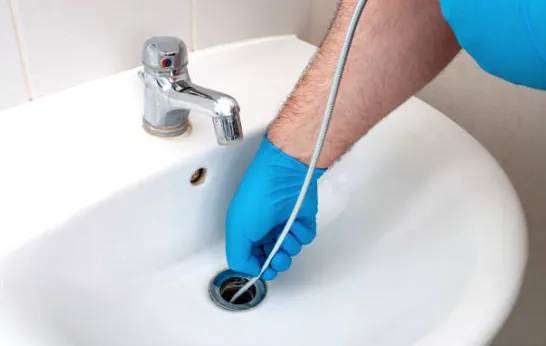
Facelift Remodelers & Plumbing Services is a Philadelphia-based plumbing company dedicated to providing reliable and transparent plumbing solutions for local homeowners. With expertise in water heater...
Best Choice Plumbing & Heating
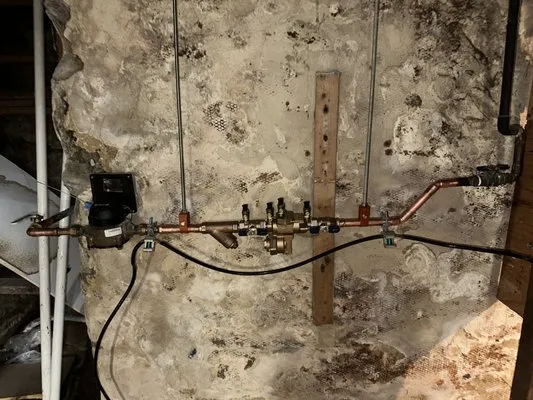
Best Choice Plumbing & Heating has been a trusted, family-owned resource for Philadelphia homeowners since 1996. Founded by Bob Huttenlock, whose expertise spans over three decades, we provide reliabl...
County Line Plumbing & Heating
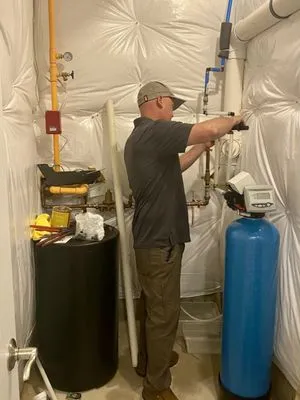
County Line Plumbing & Heating, serving Bucks and Montgomery Counties from Chalfont, is a family-owned and operated business founded in 2008 by Michael Schalek. A third-generation plumber with over 30...
Active Plumbing and Drain Cleaning
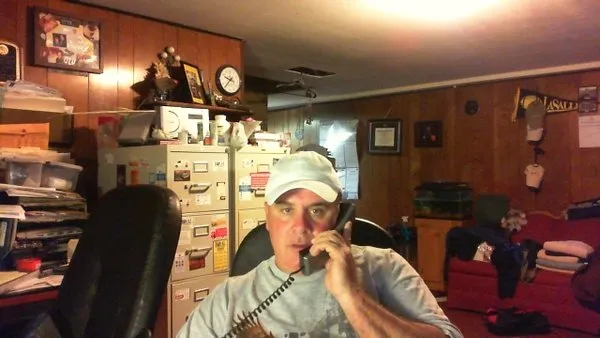
Active Plumbing and Drain Cleaning is a trusted, full-service plumbing company serving Philadelphia and the surrounding area. With over two decades of hands-on experience, Larry and the team specializ...
Estimated Plumbing Costs in Plumsteadville, PA
Frequently Asked Questions
How quickly can a plumber get to my house in Plumsteadville?
From our shop, a standard dispatch route heads past Fonthill Castle on US-611 and then into the neighborhoods. Barring heavy traffic, that's a 30-45 minute drive. We factor that time into our scheduling to give you a realistic arrival window. For emergencies, we prioritize calls and route our nearest truck.
My copper plumbing is from 1996. Is it going to start failing soon?
Your pipes are now 30 years old, which is a typical service life for copper in our area. Homeowners in Plumsteadville Village are starting to see pinhole leaks, especially at soldered joints. This happens because the protective scale inside the pipe wears thin over decades. It's a predictable phase, not a crisis, but you should budget for repairs or consider a proactive partial re-pipe of key areas.
Are there special plumbing considerations for a rural home like mine?
Absolutely. With a private well, your entire water system is your responsibility, from the pump and pressure tank to the fixtures. Your septic system is equally critical; what goes down the drain directly impacts its health. We always check for proper venting and backflow prevention, which are often overlooked in rural installations. Maintenance is different here than for a home on municipal water and sewer.
Does having a private well with hard water damage my plumbing?
Yes, the scale from hard water is a primary concern. It builds up inside pipes, reducing flow, and coats water heater elements, forcing them to work harder and fail sooner. Your fixtures, especially cartridge-style faucets, will clog and need service more frequently. Installing and maintaining a whole-house water softener is the most effective way to protect your entire system.
What should I do to prepare my plumbing for a cold Pennsylvania winter?
Our lows around 22°F mean pipes in unheated crawl spaces or against exterior walls are at risk. Before the first hard freeze, disconnect garden hoses and shut off exterior faucets from inside. Insulate any exposed pipes you can access. Pay close attention during the spring thaw, as it's a common time for previously frozen pipes to reveal leaks as they fully thaw and water pressure returns.
Why do my copper pipes keep springing tiny leaks?
Copper installed in 1996 is prone to pinhole leaks due to age and our hard water. The mineral content accelerates corrosion from the inside, particularly at joints and elbows where water turbulence is highest. You'll often find these leaks behind walls or under cabinets before a drip becomes obvious. Replacing the affected section with new copper and proper dielectric unions is the standard repair.
Could the hilly land around here be causing my drainage problems?
The slope of the land near Fonthill Castle is a good example. Hilly terrain puts constant stress on the main sewer line exiting your home. Over time, this can cause pipes to settle unevenly or joints to separate, leading to blockages or leaks. It also affects surface drainage, which is why proper grading away from your foundation is critical to prevent water from backing up against basement walls.
Do I need a permit to replace my water heater, and who handles that?
Yes, most plumbing replacements in Plumstead Township require a permit from the Building and Zoning Department. As a licensed Master Plumber credentialed by the Pennsylvania Department of Labor and Industry, I pull those permits, schedule the inspections, and handle all the red tape. You won't need to visit the township office; we manage the entire process to ensure the work is documented and up to code.
