Top Emergency Plumbers in Plumstead, PA, 18902 | Compare & Call

There are 237 plumbing companies server in Plumstead PA
Philadelphia Plumbing Services, LLC is a locally owned and operated plumbing company established in 2012. Our registered Master Plumber and team provide reliable residential and commercial plumbing se...
Plumbing Pals
Plumbing Pals is a family-owned and operated plumbing company serving Philadelphia and the surrounding communities. We specialize in drain cleaning, hydro jetting, and camera scope inspections, provid...
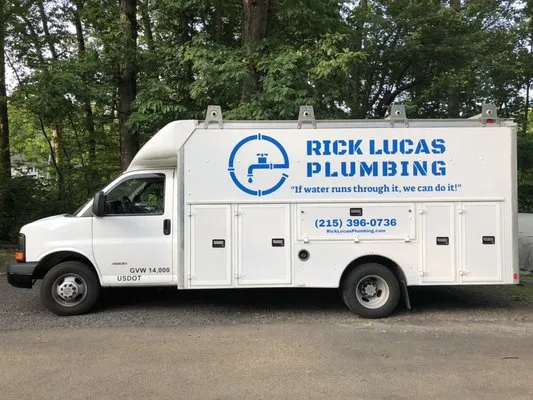
Rick Lucas Plumbing & Remodeling - Plumber in Bucks County
Rick Lucas Plumbing & Remodeling is a family-owned and operated plumbing service proudly serving Feasterville-Trevose and all of Bucks County. With over 35 years of hands-on experience and a master pl...
Goodman Plumbing
Goodman Plumbing has been a trusted name in Philadelphia, Bucks, and Montgomery Counties since 1956. As a second-generation, family-owned and operated business, we bring over six decades of local expe...
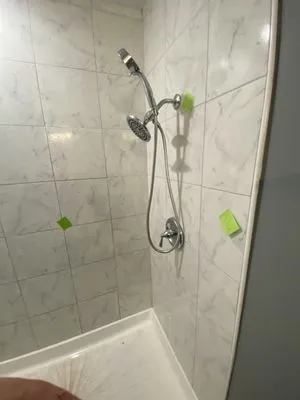
Pinnacle Plumbing
Pinnacle Plumbing is a family-owned and operated business serving Philadelphia with over 25 years of dedicated local experience. We understand that plumbing problems are more than just an inconvenienc...
Valdel Plumbing is a licensed plumbing company serving Norristown, PA, and surrounding areas since 2013. We provide comprehensive plumbing services for both residential and commercial clients, includi...
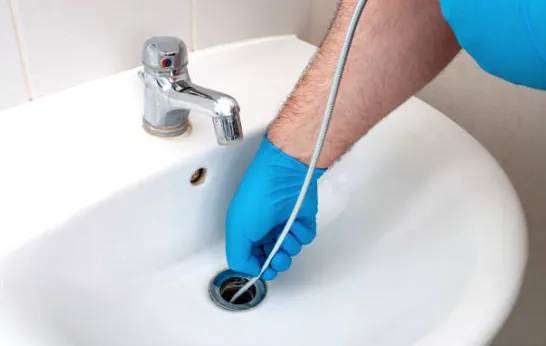
Facelift Remodelers & Plumbing Services
Facelift Remodelers & Plumbing Services is a Philadelphia-based plumbing company dedicated to providing reliable and transparent plumbing solutions for local homeowners. With expertise in water heater...
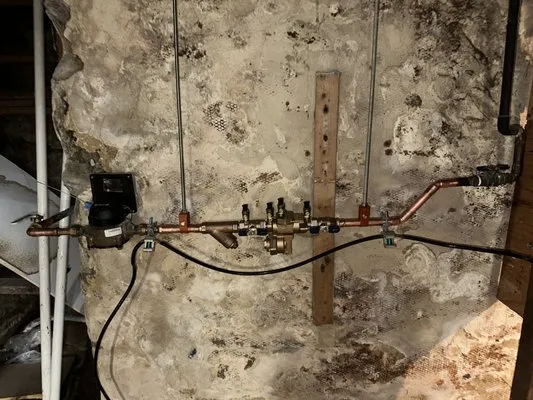
Best Choice Plumbing & Heating
Best Choice Plumbing & Heating has been a trusted, family-owned resource for Philadelphia homeowners since 1996. Founded by Bob Huttenlock, whose expertise spans over three decades, we provide reliabl...
County Line Plumbing & Heating
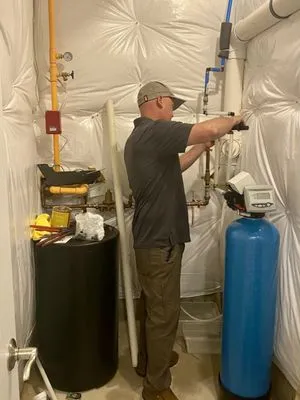
County Line Plumbing & Heating, serving Bucks and Montgomery Counties from Chalfont, is a family-owned and operated business founded in 2008 by Michael Schalek. A third-generation plumber with over 30...
Active Plumbing and Drain Cleaning
Active Plumbing and Drain Cleaning is a trusted, full-service plumbing company serving Philadelphia and the surrounding area. With over two decades of hands-on experience, Larry and the team specializ...
Estimated Plumbing Costs in Plumstead, PA
FAQs
My copper pipes are from 1996 - should I be worried about them failing soon?
Copper pipes installed around 1996 are now 30 years old. At this age, homeowners in Point Pleasant often notice pinhole leaks developing in hot water lines first, particularly behind walls or under slabs. The original solder joints may show signs of calcification, and water pressure can drop as mineral buildup narrows pipe interiors. Regular inspection of exposed pipes in basements and crawl spaces helps catch issues before they become emergencies.
Do I need permits for plumbing repairs in Plumstead Township?
Most plumbing work requires permits through Plumstead Township Building and Zoning Department. As a Pennsylvania Department of Labor and Industry licensed master plumber, I handle all permit applications and inspections for clients. This ensures repairs meet current code standards for safety and insurance purposes while saving homeowners from navigating bureaucratic processes themselves.
Does Delaware River water cause specific plumbing problems in our area?
Delaware River water has high mineral content that creates hard water scaling throughout Plumstead homes. This buildup reduces water heater efficiency by insulating heating elements and accumulates inside fixtures, restricting flow. Over years, scale can completely clog aerators and showerheads while accelerating corrosion in water heater tanks. Installing a whole-house water softener significantly extends plumbing system lifespan.
What's the most common plumbing problem in homes built around 1996?
Pinhole leaks in copper pipes are the frequent failure point in 1996-era plumbing. These develop where water chemistry interacts with pipe walls, creating tiny perforations that expand over time. Joint calcification also occurs as original solder breaks down from decades of hard water exposure. Both issues typically manifest first in hot water lines where thermal expansion stresses the aging copper.
How quickly can a plumber reach my home in Plumstead during an emergency?
Heading past Fonthill Castle on US-202 gets me into Plumstead neighborhoods within 30-45 minutes from dispatch. That route avoids congestion on local roads while providing direct access to most subdivisions. I keep my truck stocked with common copper repair materials so we can address leaks immediately upon arrival without additional trips to suppliers.
How does the hilly terrain around Fonthill Castle affect plumbing systems?
Hilly slopes create drainage challenges that stress main sewer lines running downhill from homes. The constant gravitational pull can cause joint separation in older pipes, while soil shifting on inclines puts lateral stress on water mains. Proper grading around foundations is essential to prevent water from pooling near basement drains during heavy rains common in this terrain.
What should I do to prepare my plumbing for spring in this temperate climate?
Spring thaw brings the highest risk of plumbing issues as ground temperatures fluctuate. Insulate exposed pipes in crawl spaces before temperatures drop to 22°F overnight. Check outdoor spigots for freeze damage from winter and ensure sump pumps are operational before heavy spring rains. These proactive steps prevent most seasonal emergencies in our temperate zone.
As a suburban homeowner, what plumbing issues should I watch for differently than in rural areas?
Suburban Plumstead homes connect to municipal water systems that maintain consistent pressure, which can accelerate wear on aging copper pipes. Tree roots seeking water sources frequently infiltrate sewer laterals between houses and main lines. Unlike rural properties with wells and septic systems, you'll want to monitor water meter readings for unexplained usage increases that indicate hidden leaks in pressurized lines.
