Top Emergency Plumbers in Plumcreek, PA, 15732 | Compare & Call

There are 139 plumbing companies server in Plumcreek PA
Ricket's Construction serves Thompson, OH, with a dual focus on commercial and residential property maintenance and improvement. While we specialize in commercial maintenance—including lawn care, faci...
1-Tom-Plumber is a trusted plumbing service in Tarentum, PA, offering comprehensive solutions for both residential and commercial clients. Available 24/7/365, we specialize in everything from routine ...

Metz Plumbing & Sewer Lining LLC is a family-owned plumbing service rooted in Canonsburg, PA, with over 20 years of industry experience. Founded by professionals who previously managed a large local c...
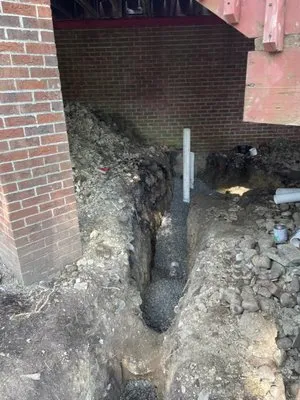
G Horvath Plumbing is a trusted, locally-owned plumbing service serving Pittsburgh and the surrounding communities. As a full-service plumbing contractor, they handle everything from routine repairs t...
Zoom Drain of Pittsburgh is a locally owned and operated plumbing service founded by Pittsburgh native Mark Puzas. With deep roots in the community and a background in accounting and real estate, Puza...
Kaleb's Kustom Plumbing is a veteran-owned company serving Pittsburgh, founded in 2023 on principles of integrity, honesty, and respect. As a proud Air Force veteran, husband, and father of four, owne...

RJS Plumbing is a locally-owned and operated Pittsburgh plumbing service built on a foundation of integrity and fairness. After nearly two decades working for other companies in the area, owner Ryan r...
Perfect Pipes Plumbing is a trusted local plumbing service in Pittsburgh, PA, dedicated to helping homeowners tackle common plumbing problems like garbage disposal jams and broken shutoff valves. With...

Steve the Plumber is a Pittsburgh-based plumbing and electrical service provider with eight years of hands-on experience in the trade. Working under a master plumber since 2017, Steve now operates ind...
Day to Day Plumbing has been Pittsburgh's trusted plumbing partner since 2019, providing reliable and professional solutions for homeowners and businesses throughout the area. We specialize in compreh...
Estimated Plumbing Costs in Plumcreek, PA
Frequently Asked Questions
How quickly can a plumber reach my home in Plumcreek?
Heading past Crooked Creek State Park on US-422 gets me into the Plumcreek area within 45-60 minutes from most dispatch points. That route avoids backroad delays while providing direct access to neighborhoods. Once off the highway, local roads are familiar territory. Response time depends on traffic conditions, but I plan routes to minimize travel time.
Who handles permits for plumbing work in Armstrong County?
I manage all necessary permits through Armstrong County Planning and Development Department and maintain current Pennsylvania Department of Labor and Industry credentials. This includes securing approvals for major repairs, new installations, and system upgrades. Handling this red tape ensures your project meets local codes without requiring your direct involvement in bureaucratic processes.
My copper pipes are from the 1960s - what should I expect as they age?
Copper plumbing installed around 1968 is now 58 years old. Homeowners in Plumcreek Village often notice pinhole leaks appearing in straight pipe runs, especially near elbows and joints. This happens because decades of water flow gradually thins the pipe walls. You might see small damp spots on ceilings or walls before a full leak develops. Regular inspections of exposed pipes can catch these early.
How does Plumcreek's hilly landscape affect my drainage system?
The slopes around Crooked Creek State Park create drainage challenges for residential plumbing. Downhill water pressure stresses main lines, while uphill properties face slow drainage and potential backups. Soil erosion on inclines can expose or damage buried pipes. Proper grading around your foundation and regular drain cleaning help manage these terrain-related issues.
What should I do before spring thaw to prevent plumbing problems?
Before temperatures rise above freezing, disconnect garden hoses and shut off exterior water valves. Insulate pipes in unheated crawl spaces, as 18-degree lows can still cause freezing in vulnerable areas. Check for leaks that may have developed over winter—spring thaw often reveals hidden issues when water pressure normalizes. These simple steps prevent most seasonal emergencies.
Why do my older copper pipes keep developing leaks?
Copper pipes from 1968 often fail at solder joints due to calcification buildup over decades. The solder material degrades, allowing microscopic gaps that expand with water pressure changes. Pinhole leaks in straight sections indicate wall thinning from years of mineral abrasion. Both issues stem from the natural aging process of mid-century plumbing materials.
Does Crooked Creek's hard water damage my plumbing fixtures?
Hard water from Crooked Creek deposits scale inside pipes and appliances. Water heaters accumulate mineral buildup on heating elements, reducing efficiency and shortening lifespan. Faucet aerators and showerheads clog with calcium deposits, decreasing water pressure. Installing a whole-house water softener can significantly reduce these issues by treating water before it enters your home's system.
What plumbing concerns are unique to rural homes like ours?
Rural properties often have private wells and septic systems that require different maintenance than municipal services. Well pumps need periodic inspection for pressure issues, while septic systems demand careful water usage management. Distance from municipal water mains means longer pipe runs that can develop leaks. Understanding these systems helps prevent costly rural plumbing emergencies.
