Top Emergency Plumbers in Pleasant, PA, 16313 | Compare & Call

There are 105 plumbing companies server in Pleasant PA
1-Tom-Plumber is a trusted plumbing service in Tarentum, PA, offering comprehensive solutions for both residential and commercial clients. Available 24/7/365, we specialize in everything from routine ...
Metz Plumbing & Sewer Lining LLC is a family-owned plumbing service rooted in Canonsburg, PA, with over 20 years of industry experience. Founded by professionals who previously managed a large local c...
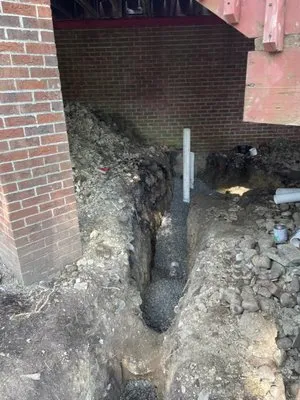
G Horvath Plumbing is a trusted, locally-owned plumbing service serving Pittsburgh and the surrounding communities. As a full-service plumbing contractor, they handle everything from routine repairs t...
Zoom Drain of Pittsburgh is a locally owned and operated plumbing service founded by Pittsburgh native Mark Puzas. With deep roots in the community and a background in accounting and real estate, Puza...
Kaleb's Kustom Plumbing is a veteran-owned company serving Pittsburgh, founded in 2023 on principles of integrity, honesty, and respect. As a proud Air Force veteran, husband, and father of four, owne...

RJS Plumbing is a locally-owned and operated Pittsburgh plumbing service built on a foundation of integrity and fairness. After nearly two decades working for other companies in the area, owner Ryan r...
Perfect Pipes Plumbing is a trusted local plumbing service in Pittsburgh, PA, dedicated to helping homeowners tackle common plumbing problems like garbage disposal jams and broken shutoff valves. With...

Steve the Plumber is a Pittsburgh-based plumbing and electrical service provider with eight years of hands-on experience in the trade. Working under a master plumber since 2017, Steve now operates ind...
Day to Day Plumbing has been Pittsburgh's trusted plumbing partner since 2019, providing reliable and professional solutions for homeowners and businesses throughout the area. We specialize in compreh...
Shelton Plumbing
Shelton Plumbing has been the trusted, family-owned plumbing service for Pittsburgh and the A-K Valley since 1983. Founded by Master Plumber John Shelton, our company was built on the principles of re...
Estimated Plumbing Costs in Pleasant, PA
Common Questions
Are there special plumbing considerations for Pleasant Hills suburban homes?
Suburban homes here connect to municipal water systems that maintain consistent pressure, but aging infrastructure can cause pressure fluctuations. Tree roots often infiltrate sewer laterals seeking moisture, requiring regular camera inspections. Unlike rural properties with wells and septic systems, municipal connections mean permits are needed for most plumbing work. Maintaining cleanouts accessible helps with routine maintenance and emergency access.
Who handles permits for plumbing work in Pleasant Hills?
I manage all required permits through the Pleasant Hills Borough Building Department and maintain Pennsylvania Department of Labor and Industry credentials. This includes pressure tests, inspections, and code compliance documentation for water and sewer work. Handling this red tape ensures your project meets local regulations without you navigating bureaucratic processes. Proper permitting also protects your home's value and insurance coverage.
What should I do before spring thaw to prevent plumbing problems?
Before spring thaw in this Snow Belt region, insulate exposed pipes in unheated areas like crawl spaces and garages. Temperatures here can drop to 22°F, causing frozen pipes that burst when thawing occurs. Keep cabinet doors open to allow warm air circulation around plumbing during cold snaps. Knowing your main water shut-off valve location lets you respond quickly if a pipe does burst.
How does hilly terrain affect plumbing in South Park area homes?
Hilly slopes around South Park create drainage challenges that stress main sewer lines. Gravity forces wastewater downward at accelerated rates, increasing wear on pipe joints and connections. Soil shifting on slopes can misalign pipes, leading to leaks or blockages. Properly graded drainage away from your foundation prevents water from pooling and entering basement plumbing systems.
How old are the pipes in Pleasant Hills homes and what should I expect?
Galvanized steel plumbing in Pleasant Hills was installed around 1952, making it 74 years old in 2026. At this age, homeowners often see reduced water pressure from internal rust buildup and frequent leaks at threaded joints. The steel has likely corroded to half its original thickness in many sections, increasing the risk of sudden failures. Replacing these pipes before they fail completely avoids extensive water damage to walls and floors.
Does Monongahela River water damage water heaters in Pleasant?
Hard water from the Monongahela River causes scale buildup in water heaters and fixtures over time. Mineral deposits insulate heating elements, reducing efficiency and shortening the appliance's lifespan. In water heaters, this scaling can lead to overheating and premature tank failure. Installing a whole-house water softener or using dielectric unions at connections helps mitigate these effects.
Why do older Pleasant Hills homes keep getting pinhole leaks?
Galvanized steel pipes from the 1950s develop pinhole leaks due to internal corrosion and joint calcification. Over decades, minerals in our hard water accumulate at threaded connections, creating weak points that eventually fail. These leaks often start small but can quickly escalate, especially behind walls where they go unnoticed. Replacing affected sections with modern materials like PEX or copper prevents recurring issues.
How quickly can a plumber reach my home in Pleasant Hills?
Heading past South Park on PA-51, I can typically reach most Pleasant Hills addresses within 30-45 minutes. This route avoids downtown congestion while providing direct access to residential areas. For emergencies like burst pipes, I prioritize these calls and maintain real-time traffic awareness to minimize delays. Local knowledge of side streets helps when main roads are congested.
