Top Emergency Plumbers in Pine Creek, PA, 17721 | Compare & Call

There are 231 plumbing companies server in Pine Creek PA

Hi, I'm Jim Morrow, owner-operator of James Morrow Electrician. My passion for electrical work started in 9th grade shop class—I wasn't just satisfied to see a light turn on; I needed to understand th...
MK Plumbing is a trusted, licensed plumbing service operating out of Indiana, PA, and serving homeowners and businesses in Penn Run and the surrounding area. We provide a comprehensive range of servic...
Ryland Services is a trusted provider of comprehensive maintenance solutions for Creekside, PA residents and businesses. We specialize in HVAC, plumbing, roofing, and electrical services, delivering r...

NPM Plumbing is a family-owned plumbing business serving Lehighton, PA, and surrounding Carbon County areas with over 27 years of experience. We handle everything from routine maintenance and repairs ...
Andreas Plumbing, Heating & Air Conditioning
Andreas Plumbing, Heating & Air Conditioning is a family-run, four-generation business proudly serving Lehighton and the surrounding Carbon County area. Founded on a deep commitment to the community, ...
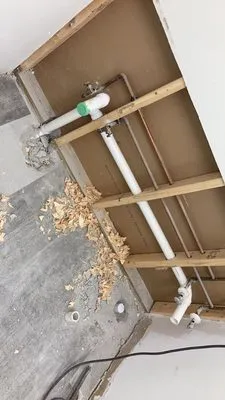
Star Plumbing and Fixture Repair is a locally owned and operated plumbing service in Stiles, PA, founded by Tim, who brings 4 years of hands-on experience from working with various companies on projec...
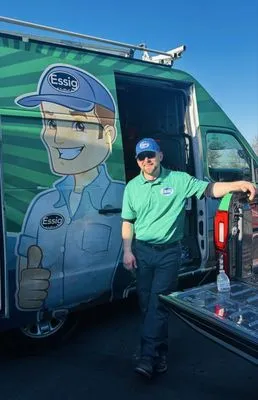
Essig Plumbing & Heating has been serving Berks County since 1938 as a family-owned plumbing and HVAC contractor. With three generations of experience, we provide comprehensive services including plum...
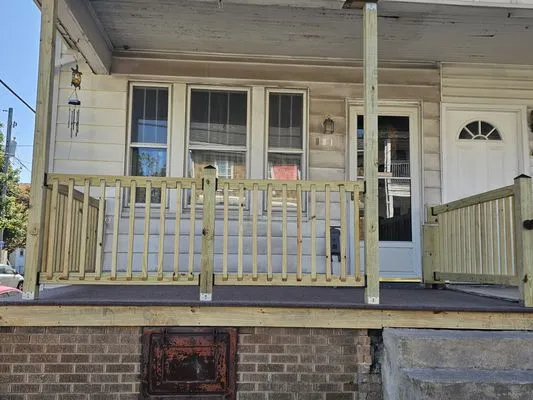
Lynn's Handyman Services is a trusted local provider in Tamaqua, PA, offering comprehensive home repair and maintenance solutions. With expertise spanning appliance installation and repair, plumbing, ...
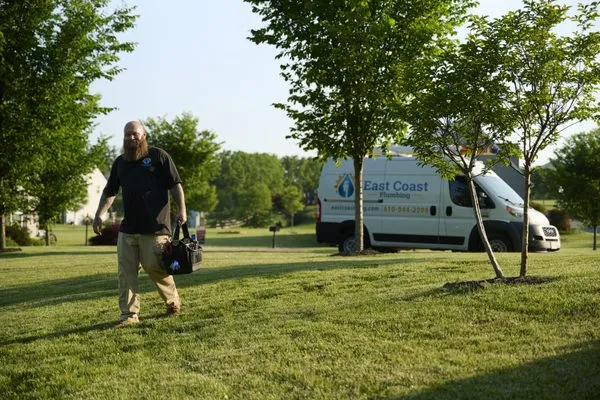
East Coast Plumbing
East Coast Plumbing is your trusted local plumber serving Barto and the surrounding communities in Montgomery, Bucks, Berks, and Lehigh Counties. We provide reliable residential and commercial plumbin...

Two Guys Plumbing Heating & Cooling
Two Guys Plumbing Heating & Cooling is a locally owned and operated business serving Kutztown, PA, and the surrounding areas since 2005. Founded by Pat and Rich, who each brought over 20 years of prio...
Estimated Plumbing Costs in Pine Creek, PA
Q&A
What permits or inspections do I need for plumbing work in Tioga County?
Tioga County Planning Department requires permits for most plumbing modifications, especially those involving septic systems or well connections. As a Pennsylvania Department of Labor and Industry licensed master plumber, I handle the permit applications and inspections for clients. This includes submitting plans, scheduling county inspections, and ensuring work meets Pennsylvania plumbing code requirements so homeowners don't need to navigate the bureaucracy themselves.
As a rural Pine Creek homeowner with a well and septic system, what plumbing issues should I watch for?
Well systems here require regular maintenance of pressure tanks and switches, which often fail after 10-15 years. Septic systems need inspection every 3-5 years to prevent backups into the house. Water quality from private wells varies, so testing for pH and mineral content helps anticipate corrosion issues. Unlike municipal systems, you're responsible for the entire water supply and waste disposal infrastructure.
Why do my copper pipes keep springing leaks in my 1970s Pine Creek home?
Copper pipes from 1978 often develop pinhole leaks due to corrosion from hard water minerals. The inside surfaces accumulate scale that traps moisture against the copper, creating localized corrosion points. Joints and fittings are particularly vulnerable because solder can degrade over time, allowing microscopic gaps where leaks form. This corrosion accelerates in areas with aggressive water chemistry common in our region.
Could the hilly terrain around Pine Creek Gorge be causing my drainage problems?
Hilly slopes around Pine Creek Gorge create drainage challenges for home plumbing systems. Downward pressure on main sewer lines can cause joint separation over time, especially where pipes transition from house to septic tank. Soil erosion on slopes exposes buried lines to freeze-thaw cycles that crack pipes. Proper grading around your foundation is essential to prevent water from pooling against the house during heavy rains.
What should I do to prepare my plumbing for Pine Creek's cold winters and spring thaw?
Insulate exposed pipes in crawl spaces and attics before temperatures drop to 15°F. During spring thaw, check your main shutoff valve for leaks as ground shifting can stress connections. Keep cabinet doors open on cold nights to let warm air reach pipes under sinks. Drain outdoor spigots before first freeze and consider installing frost-proof hose bibs if you have older fixtures.
My Pine Creek Village home was built in the late 1970s. Should I be worried about my plumbing?
Copper pipes installed around 1978 are now 48 years old. At this age, homeowners in Pine Creek Village often notice pinhole leaks, especially at joints and elbows where water flow creates turbulence. The copper has thinned from decades of hard water exposure, and you might see small green stains on drywall or hear dripping sounds in walls. These leaks typically start in bathrooms and kitchens where fixtures get daily use.
How quickly can a plumber reach my home in Pine Creek during an emergency?
Heading past Pine Creek Gorge on US-6, my dispatch route covers most of the area within 45 to 60 minutes. Traffic on US-6 is usually light, but winter conditions or seasonal tourism can add time. I plan routes to avoid delays, using back roads when needed to reach homes off the main highway efficiently.
Does Pine Creek's hard water damage my water heater or fixtures?
Hard water from Pine Creek deposits mineral scale inside water heaters, reducing efficiency and shortening lifespan. Scale buildup on heating elements causes them to work harder, increasing energy costs. Fixtures like showerheads and faucets develop crusty deposits that restrict water flow and damage seals. Over years, this scaling can completely clog supply lines to appliances like dishwashers and washing machines.
