Top Emergency Plumbers in Penn, PA, 17331 | Compare & Call

There are 124 plumbing companies server in Penn PA
1-Tom-Plumber is a trusted plumbing service in Tarentum, PA, offering comprehensive solutions for both residential and commercial clients. Available 24/7/365, we specialize in everything from routine ...

Metz Plumbing & Sewer Lining LLC is a family-owned plumbing service rooted in Canonsburg, PA, with over 20 years of industry experience. Founded by professionals who previously managed a large local c...
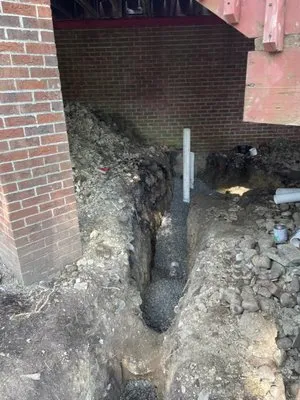
G Horvath Plumbing is a trusted, locally-owned plumbing service serving Pittsburgh and the surrounding communities. As a full-service plumbing contractor, they handle everything from routine repairs t...
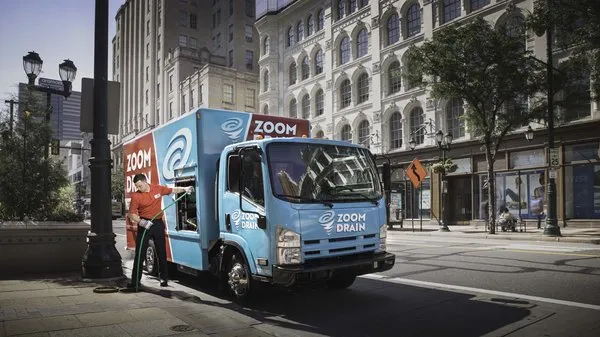
Zoom Drain of Pittsburgh is a locally owned and operated plumbing service founded by Pittsburgh native Mark Puzas. With deep roots in the community and a background in accounting and real estate, Puza...
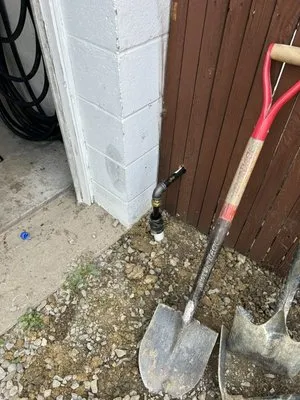
Kaleb's Kustom Plumbing is a veteran-owned company serving Pittsburgh, founded in 2023 on principles of integrity, honesty, and respect. As a proud Air Force veteran, husband, and father of four, owne...

412 Plumbing
412 Plumbing is a trusted, family-owned plumbing service in Bridgeville, PA, dedicated to serving the South Hills community. We provide a full range of plumbing solutions for both homes and businesses...

RJS Plumbing is a locally-owned and operated Pittsburgh plumbing service built on a foundation of integrity and fairness. After nearly two decades working for other companies in the area, owner Ryan r...
Perfect Pipes Plumbing is a trusted local plumbing service in Pittsburgh, PA, dedicated to helping homeowners tackle common plumbing problems like garbage disposal jams and broken shutoff valves. With...
McVay Plumbing, Heating & Cooling
For over [implied years], McVay Plumbing, Heating & Cooling has been a trusted name in Pittsburgh, providing reliable home service solutions. As a local, family-owned business, we understand the speci...

Steve the Plumber is a Pittsburgh-based plumbing and electrical service provider with eight years of hands-on experience in the trade. Working under a master plumber since 2017, Steve now operates ind...
Estimated Plumbing Costs in Penn, PA
Questions and Answers
How fast can a plumber get to my house in Penn if I have a leak?
From my shop near the battlefield, I'm heading past Bushy Run Battlefield on I-76 toward Penn Borough Center. That route puts me at your door in about 30 minutes for an emergency call. Traffic on 76 can add time, but we know the back roads. For a non-emergency, we schedule within the same day. The key is calling as soon as you notice the problem to prevent more damage.
Does the hard water from the Municipal Authority damage my appliances?
The hard water supplied by the Municipal Authority of Westmoreland County causes significant scale buildup. Inside your water heater, this mineral layer acts as an insulator, forcing it to work harder and fail sooner. You'll see the same crust on showerheads and faucet aerators, reducing flow. Installing a whole-house water softener is the standard defense. Without one, expect to replace heating elements and fixtures more often.
Do I need a permit to replace my water heater or repipe my house?
Yes, Penn Borough Building and Zoning requires permits for that work, and it must be inspected. As a master plumber licensed by the Pennsylvania Department of Labor and Industry, I pull those permits and schedule the inspections. My license means the work meets state code for safety and pressure. I handle the red tape so you don't have to, and you get the paperwork that proves the job was done right for your home's records.
What should I do to my plumbing before winter ends in Penn?
The spring thaw following 20-degree nights is the peak season for pipe bursts. A pro-tip for our temperate climate is to disconnect and drain your garden hoses now. Water trapped in the hose bib can freeze and crack the pipe inside your wall. Also, know where your main water shutoff is. If you're leaving for a few days in late winter, consider shutting the water off at the main valve to prevent a thaw-related flood while you're away.
Why are my copper pipes suddenly springing leaks?
Copper from the 1981 era is prone to pinhole leaks from internal corrosion. The hard water here accelerates wear, and the solder joints can fail after decades of thermal expansion. You might see green corrosion around fittings or a small, persistent drip. It's rarely a single leak; finding one often means others are developing in the system. A full repipe is the permanent fix, but targeted replacements can buy time.
My house in Penn was built in the early 80s. Are my pipes getting old?
Yes, the copper plumbing installed around 1981 is now 45 years old. That's a typical lifespan for residential copper in our area. Homeowners in Penn Borough Center are often calling me about persistent pinhole leaks and a drop in water pressure. The copper has been through thousands of heating and cooling cycles, which weakens the metal. It's not a question of if, but when, a section will need replacement.
I'm on town water and sewer. What are common plumbing issues in a suburb like Penn?
Municipal pressure is generally good, but it can fluctuate and stress old fittings. The most common suburban issue is tree roots infiltrating the sewer lateral—the pipe running from your house to the street main. Roots seek moisture and can crack even PVC pipes over time. Another issue is that many homes from the 80s have original shutoff valves that are now frozen in place from scale. You'll discover this when you try to turn off the water for a repair.
Could the hilly land around here be causing my drainage problems?
Absolutely. The slope of the land around Bushy Run Battlefield and throughout Penn puts constant stress on sewer mains and laterals. A heavy rain can shift the soil, causing a joint to separate or the pipe to sag. That sag creates a low spot where waste collects and eventually blocks the line. For homes at the bottom of a hill, it also means you're receiving drainage from uphill neighbors, which can overwhelm your system during a storm.
