Top Emergency Plumbers in Penn Hills, PA, 15139 | Compare & Call

There are 240 plumbing companies server in Penn Hills PA

Hi, I'm Alex, known around Salem as 'Big Al.' For the past 15 years, I've been dedicated to providing reliable plumbing services to my neighbors, handling everything from a simple faucet repair to a f...
Revelation Plumbing serves Pittsburgh homeowners with reliable, same-day plumbing solutions. We understand that plumbing emergencies like burst pipes or sewer backups can't wait, which is why we arriv...
1-Tom-Plumber is a trusted plumbing service in Tarentum, PA, offering comprehensive solutions for both residential and commercial clients. Available 24/7/365, we specialize in everything from routine ...
Drain Bros is a family-owned plumbing service deeply rooted in Bethel Park and the South Hills of Pittsburgh. Our licensed master plumbers bring over a decade of experience to every job, from simple f...
Metz Plumbing & Sewer Lining LLC is a family-owned plumbing service rooted in Canonsburg, PA, with over 20 years of industry experience. Founded by professionals who previously managed a large local c...
Cheddar's Plumbing is a locally owned and operated residential plumbing service in Pittsburgh, PA, founded by Nick and his wife with a commitment to quality work at fair prices. Since 2016, Nick has b...

Knight & Day Plumbing
Knight & Day Plumbing is a trusted, full-service plumbing company serving Pittsburgh, PA, and the surrounding communities. We specialize in addressing the unique plumbing challenges of the Steel City,...
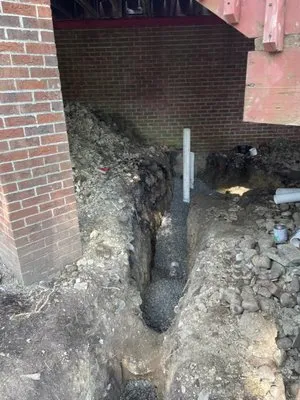
G Horvath Plumbing is a trusted, locally-owned plumbing service serving Pittsburgh and the surrounding communities. As a full-service plumbing contractor, they handle everything from routine repairs t...
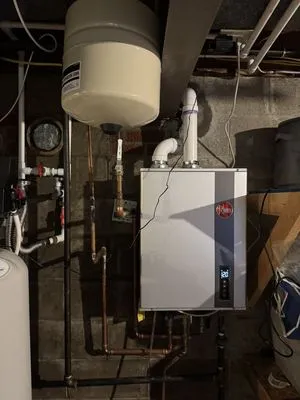
412 Handyman Solutions is a trusted local handyman service in Saxonburg, PA, with over 25 years of construction experience. We specialize in a wide range of home improvement services, including plumbi...
Zoom Drain of Pittsburgh is a locally owned and operated plumbing service founded by Pittsburgh native Mark Puzas. With deep roots in the community and a background in accounting and real estate, Puza...
Estimated Plumbing Costs in Penn Hills, PA
Question Answers
As a Penn Hills homeowner, what should I know about my main sewer line?
In our suburban setting, the most common issue is the lateral line from your house to the municipal sewer. Tree roots seek out the moisture and nutrients in older pipe joints, and a partial clog can quickly become a full backup. Municipal water pressure is generally reliable, but aging gate valves on your main shutoff can seize, making it vital to have a functioning ball valve installed for emergencies.
What's the best way to prevent frozen pipes in Penn Hills winters?
The key is action before the deep cold, not during it. Insulate all exposed pipes in unheated spaces like crawl spaces and garages well before temperatures consistently hit the low 20s. A more critical pro-tip for our climate is managing the spring thaw. Dramatic temperature swings can cause ground movement that stresses already vulnerable underground service lines, making that a peak time for main line leaks.
Could the hilly land in Penn Hills be causing my drainage problems?
Absolutely. The slope of your property, especially in areas near Penn Hills Community Park, dictates how water and waste move. A steep grade can put excessive stress on a sewer lateral, leading to joint separation or cracks. Conversely, a home at the bottom of a hill may experience chronic basement water intrusion if the exterior drainage and sump system aren't specifically engineered for that runoff.
Why are my Penn Hills pipes rusting and failing all of a sudden?
Homes built here in 1958 have galvanized steel pipes now approaching 70 years old. The protective zinc coating has been gone for decades, leaving raw steel to corrode from the inside. What you're seeing now is the final stage: widespread pinhole leaks, joint failures, and severely restricted flow from decades of rust and mineral scale buildup. This isn't a random event; it's the predictable end-of-life for this specific generation of plumbing in Penn Hills Center.
How fast can a plumber get to my house in Penn Hills?
My typical dispatch route from the service area heads past Penn Hills Community Park to catch I-376, which puts most of the township within a 25 to 35 minute window. Traffic on Frankstown Road can add time, so I factor that in when giving an ETA. Knowing the main arteries and neighborhood cut-throughs is part of providing reliable local service.
Does our hard Allegheny River water damage plumbing fixtures?
Yes, the mineral content in our municipal water accelerates wear. Scale buildup acts like insulation on water heater elements, forcing them to work harder and fail sooner. It also clogs aerators and cartridge valves in faucets and showerheads. Installing a whole-house water softener is the standard defense here, as it directly addresses the source of the scaling before it reaches your appliances and fixtures.
What permits are needed for a plumbing repair in Penn Hills?
Most substantial work requires a permit from the Penn Hills Building Inspection Department. As a licensed master plumber, I handle that red tape, including scheduling inspections. My credentials are filed with the Pennsylvania Department of Labor and Industry, which means the work is documented to code. This protects your investment and is non-negotiable for insurance and future resale.
What's happening inside my old galvanized steel pipes?
Galvanized pipe from 1958 fails in a specific pattern. Internal corrosion creates a rough, crusty surface that traps minerals, drastically reducing your water pressure. The pipe walls themselves thin out unevenly, leading to pinhole leaks that often appear at threaded joints or where pipes contact other materials. This calcification and corrosion is a mechanical process, and by this age, a full system replacement is usually the only permanent fix.
