Top Emergency Plumbers in Penn Estates, PA, 18301 | Compare & Call

There are 121 plumbing companies server in Penn Estates PA

Benjamin Franklin Plumbing
Benjamin Franklin Plumbing in Bethlehem, PA, provides reliable plumbing services for local homeowners. When plumbing emergencies strike, our team is available 24/7 to address urgent issues like burst ...
NPM Plumbing is a family-owned plumbing business serving Lehighton, PA, and surrounding Carbon County areas with over 27 years of experience. We handle everything from routine maintenance and repairs ...

Schuler Service
Schuler Service is a family-owned plumbing and remodeling company that has been a trusted part of the Allentown community since 1923. Founded as a small shop with a push-cart, the business, now owned ...

Elek Plumbing has been serving Allentown and the Lehigh Valley since 1913, when Hungarian immigrant William Elek Senior founded the business in Bethlehem. Now in its third generation of family ownersh...
Andreas Plumbing, Heating & Air Conditioning
Andreas Plumbing, Heating & Air Conditioning is a family-run, four-generation business proudly serving Lehighton and the surrounding Carbon County area. Founded on a deep commitment to the community, ...
My journey in hands-on repair started young, right in the basement of my childhood home. At age eleven, I found some wire and an outlet on my dad's workbench and decided to install it myself. I manage...
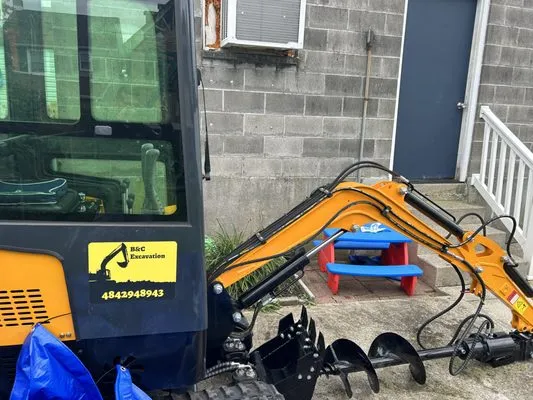
B&C Excavation is a family-owned and operated business proudly serving Allentown and the Lehigh Valley. Our foundation is built on over 20 years of combined experience, including 8 years of service wi...
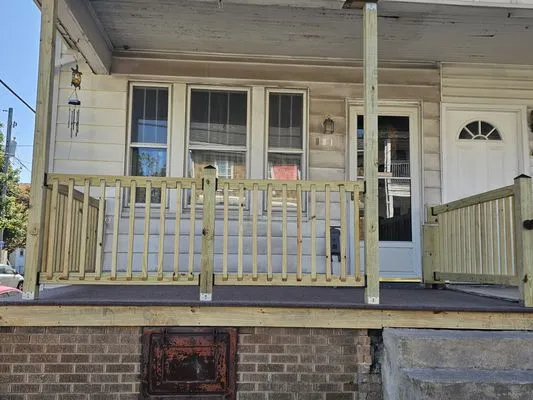
Lynn's Handyman Services is a trusted local provider in Tamaqua, PA, offering comprehensive home repair and maintenance solutions. With expertise spanning appliance installation and repair, plumbing, ...
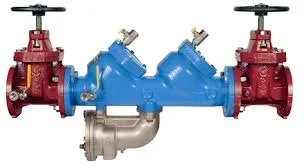
WaterBoyz Backflow Testing and Repairs LLC is a trusted local plumbing service in Allentown, PA, specializing in backflow assembly testing, maintenance, and repairs. Our expert technicians ensure your...
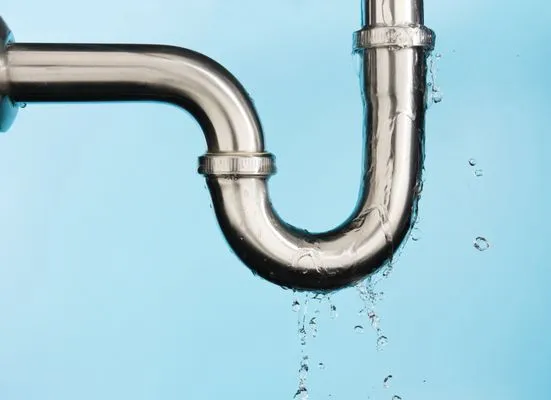
Good News Drain Services is a licensed emergency drain cleaning and plumbing repair company serving Saylorsburg, PA, and the surrounding Pocono, Lehigh Valley, and Northern NJ areas. We specialize in ...
Estimated Plumbing Costs in Penn Estates, PA
Question Answers
How quickly can a plumber get to Penn Estates in an emergency?
Heading past Delaware Water Gap on I-80 is the standard route. Traffic depending, that's about a 45 to 60 minute dispatch for an emergency call. Knowing the route allows us to carry the right parts for common local issues, like a section of 3/4-inch copper or a well pressure switch, so we can often start the repair immediately upon arrival without a second trip to the supplier.
Could the hilly property around here be causing my drainage problems?
The slope common in Penn Estates puts constant, uneven stress on the main sewer lateral running to the street. Over decades, this can cause the pipe to sag or develop leaks at the joints. For drainage, the hill often directs surface water toward the foundation. Ensuring your downspouts extend at least six feet away from the house is a simple but vital step to prevent water from pooling around your basement walls or slab.
Does having a private well with hard water damage my appliances?
Yes, untreated hard water from a private well significantly shortens appliance life. Scale buildup acts as an insulator on water heater elements, forcing them to work harder and fail prematurely. It also clogs aerators and shower valves with mineral deposits. For the water heater specifically, annual flushing to remove sediment and installing a whole-house water softener are the most effective countermeasures to extend its service life.
What's the most important seasonal plumbing maintenance for this area?
The critical task is disconnecting and draining outdoor hoses before the first hard freeze around 18°F. More importantly, know where your main water shut-off valve is before the spring thaw. That period of rapid ground temperature shift is when we see the most calls for burst pipes in crawl spaces or where lines enter the foundation, as frozen sections thaw and pressurized water finds the weakest point.
Do I need a permit to replace my water heater in Stroud Township?
Yes, Stroud Township Building Code Department requires a permit for water heater replacement. The installation must meet current Pennsylvania Department of Labor and Industry standards, including proper seismic strapping and expansion tank installation on closed systems. As a licensed master plumber, I pull the permit, schedule the inspection, and handle that red tape so you don't have to. It ensures the work is documented and safe, which is important for both insurance and future home sales.
We're on a well and septic system. What plumbing issues are unique to that setup?
The main concern is the interdependence of the pressure tank, pump, and septic field. A failing pressure switch or a waterlogged well tank can cause the pump to short-cycle, burning it out prematurely. On the septic side, even minor leaks from toilets or fixtures constantly feed water into the drain field, potentially saturating it and causing a backup. Conserving water and fixing drips promptly is more critical here than in a home on municipal lines.
Our Penn Estates home was built in the early 90s. Should we be worried about the plumbing?
Homes here built around 1991 now have 35-year-old copper pipe. At this age, we commonly see pinhole leaks developing, especially at solder joints and elbows where water turbulence causes wear. In Penn Estates Main, homeowners are often calling about small, persistent drips behind walls or under sinks that weren't there a few years ago. This isn't a system-wide failure, but it signals the material is entering its expected service window where proactive inspections can prevent larger leaks.
Why do my copper pipes keep springing pinhole leaks?
Pinhole leaks in 1990s-era copper are often due to a combination of age and our local water chemistry. Over 35 years, microscopic galvanic corrosion and scale buildup from hard water can thin the pipe wall in spots. The failure typically starts on the hot water line or at fittings where the solder has slightly different electrical properties, accelerating the corrosion process until a tiny hole wears through.
