Top Emergency Plumbers in Penbrook, PA, 17103 | Compare & Call

There are 212 plumbing companies server in Penbrook PA
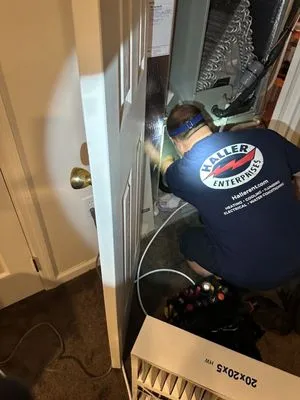
Haller Enterprises
Founded in Lititz in 1981 by Rick Haller, Haller Enterprises has grown from a one-man operation into a trusted local provider with nearly 400 employees, serving Pennsylvania and beyond. With five bran...
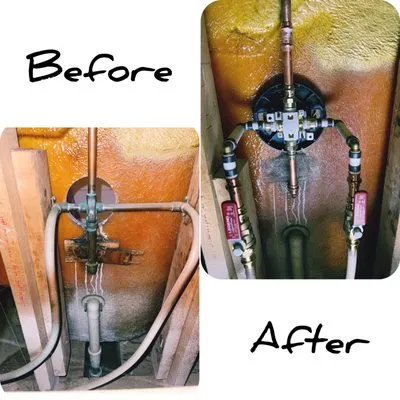
Gill's Plumbing & Mechanical is a trusted local provider serving Lebanon, PA, and the surrounding communities. We specialize in comprehensive service plumbing, from routine maintenance and emergency r...
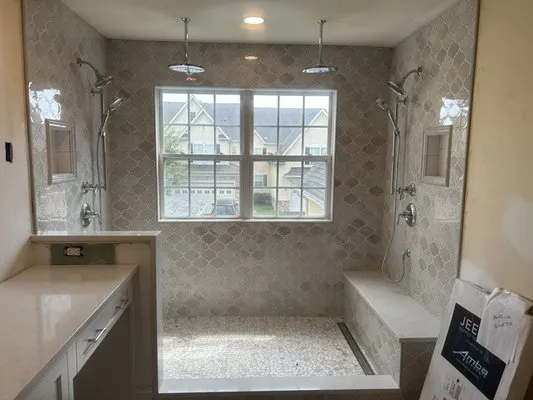
Mountain Top Mechanical is a trusted plumbing service provider for Reinholds, PA, and the surrounding communities. We understand the local challenges homeowners face, particularly with basement floodi...
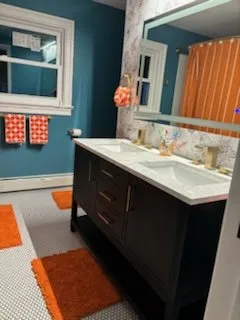
Coss & Sons Home Services is a family-owned and operated business dedicated to serving the homeowners of Elizabethtown and surrounding Lancaster County. We specialize in a comprehensive range of home ...
American Home Repairs & Installations
American Home Repairs & Installations is your trusted local home service provider in East York, PA. We understand that a happy home is a functional one, which is why we focus on getting the job done r...

1776 Plumbing & Drains
1776 Plumbing & Drains is a locally owned and operated plumbing company serving Shermans Dale and all of Central Pennsylvania. Our team brings over 50 years of combined hands-on experience to every jo...
Advanced Plumbing Solutions is your trusted, licensed plumbing expert serving York, PA, and the surrounding communities. We understand the common frustrations local homeowners face, from persistent to...
Drip Drop Plumbing & Drains is a family-owned and operated plumbing company serving Annville and the central Pennsylvania area. With years of experience in the trade, we bring specialized knowledge, s...
HL Bowman Inc is a third-generation, family-owned HVAC and plumbing company that has been a trusted part of the Harrisburg community for over 65 years. Operating from the same location for 38 years, t...

Wilbur Henry Plumbing Heating and A/C
Wilbur Henry Plumbing, Heating, & A/C has been a trusted name for York, PA homeowners since 1960. As a second-generation family business now owned by Tom, we build on decades of local experience to pr...
Estimated Plumbing Costs in Penbrook, PA
Frequently Asked Questions
What permits do I need for a water heater replacement in Penbrook?
A standard water heater replacement requires a plumbing permit from the Penbrook Borough Building and Zoning Office. As a master plumber licensed by the Pennsylvania Department of Labor and Industry, I pull these permits and schedule the required inspections as part of the job. This ensures the installation meets current code for safety devices like expansion tanks and proper seismic strapping. Handling this red tape is a standard service, so you don't have to navigate borough offices or worry about code compliance.
How old are the pipes in older Penbrook homes and what should I look for?
Original galvanized steel plumbing in Penbrook Borough was installed around 1938, making those lines 88 years old in 2026. At this age, the zinc coating has fully degraded, leaving bare steel that rusts from the inside out. Homeowners here commonly see a significant drop in water pressure and persistent rust-colored water at their fixtures. The internal corrosion also causes severe flow restriction, meaning your shower may have good pressure but your kitchen sink barely trickles.
Can the hilly terrain in Penbrook cause plumbing problems?
The sloping ground around the Susquehanna River basin directly stresses plumbing. Drain lines running downhill can experience increased flow velocity, leading to pipe joint erosion over decades. More commonly, the main sewer lateral from your home to the municipal line can settle or separate at joints due to soil movement on hillsides. This creates a prime spot for root intrusion or a complete blockage, often signaled by repeated drain backups in lower-level fixtures like a basement floor drain.
As a suburban homeowner, what's my responsibility for the sewer line?
In Penbrook's suburban setting, you own the entire sewer lateral from your house to the connection with the main municipal line in the street. The most frequent issue here is tree root intrusion into the older, jointed pipes. Roots seek the water and nutrients inside, causing clogs and eventual pipe collapse. Municipal water pressure is generally reliable, but any work on the supply line from the street shut-off to your home also falls under homeowner responsibility and requires proper permitting.
What's the most important spring plumbing maintenance for Penbrook's climate?
The critical task is checking all exterior hose bibs and your main water shut-off valve after the last freeze, typically around late March when lows are near 24°F. Spring thaw can reveal slow leaks from splits in outdoor faucet pipes that froze over winter. A pro-tip: turn on each outdoor faucet and place your thumb over the spout. If you can completely stop the flow with light pressure, the internal pipe behind the wall is likely compromised and needs repair before it bursts.
How fast can a plumber get to my house in Penbrook during an emergency?
My typical dispatch route starts from the Susquehanna River area, heading up I-81 to reach the Penbrook Borough Residential District. Travel time usually falls within 20 to 30 minutes, depending on traffic near the exits. This routing allows for a predictable and quick response to stop a major leak or restore essential water service.
Does our local water from the Susquehanna River damage water heaters?
Yes, the hard water prevalent in our area, sourced from the Susquehanna River watershed, accelerates scale buildup inside appliances. In water heaters, this limescale acts as an insulator on the heating elements or gas burner, forcing the unit to work harder and significantly shortening its lifespan. You'll notice reduced hot water capacity and higher energy bills. Installing a water softener or scheduling regular tank flushing can mitigate this specific, costly wear.
Why do my old pipes keep springing pinhole leaks?
Galvanized steel from the 1930s fails in a predictable pattern. Decades of internal corrosion thin the pipe wall until it develops pinhole leaks, often first appearing at threaded joints or along horizontal runs. Joint calcification is another issue, where mineral deposits from our hard water expand and crack the fittings. These failures aren't random; they're the direct result of the material reaching the end of its service life, and spot repairs often just move the problem to the next weak section.
