Top Emergency Plumbers in Patton, PA, 16803 | Compare & Call

There are 33 plumbing companies server in Patton PA
MK Plumbing is a trusted, licensed plumbing service operating out of Indiana, PA, and serving homeowners and businesses in Penn Run and the surrounding area. We provide a comprehensive range of servic...
Ryland Services is a trusted provider of comprehensive maintenance solutions for Creekside, PA residents and businesses. We specialize in HVAC, plumbing, roofing, and electrical services, delivering r...

Sheriffs Plumbing Heating and Air
Sheriffs Plumbing Heating and Air is a family-owned and operated business serving New Florence, PA, and surrounding Westmoreland, Indiana, and Cambria counties. We provide professional plumbing, heati...

Aqua-Tech Plumbing is a trusted plumbing service based in Portage, PA, dedicated to providing reliable solutions for residential and commercial plumbing needs. We specialize in water heater installati...

Eric Gilbert Plumbing
Eric Gilbert Plumbing has been a trusted name for homeowners and businesses in Glen Campbell, PA, and the surrounding communities. Founded on principles of integrity and skilled workmanship, the compa...
S Meyers Plumbing & Heating
S. Meyers Plumbing & Heating, Inc. is a trusted local plumbing and HVAC company serving Johnstown, PA, and the surrounding areas. With a commitment to doing every job the right way, we focus on custom...
1-Tom-Plumber
1-Tom-Plumber is a trusted, locally-owned plumbing service dedicated to Johnstown, PA, and the surrounding communities. Available 24 hours a day, we provide reliable residential and commercial plumbin...
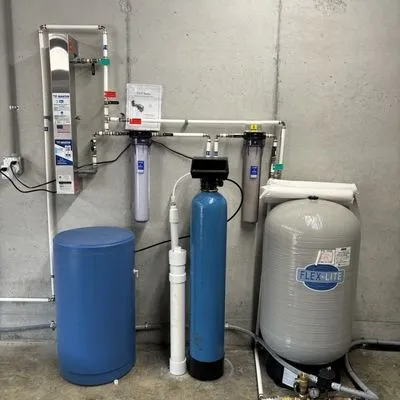
Progressive Homecare Solutions is your local handyman team in Martinsburg, dedicated to keeping homes safe, functional, and well-maintained. We understand the unique needs of our community, from seaso...
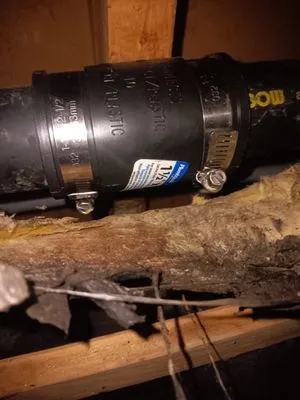
Benamati Plumbing and Heating
Benamati Plumbing and Heating is a locally-owned and operated company serving Hollidaysburg and the surrounding communities. For years, we've been the trusted choice for comprehensive plumbing and HVA...

Roto-Rooter
Roto-Rooter Johnstown is your trusted local plumbing partner, serving the Johnstown, PA community with reliable residential and commercial plumbing services. As part of North America's largest plumbin...
Estimated Plumbing Costs in Patton, PA
Questions and Answers
How quickly can a plumber reach my home in Patton during an emergency?
Heading past Patton Park on US Route 219, our dispatch route covers most of the borough within 45-60 minutes. We monitor traffic patterns and keep trucks stocked with common repair parts for galvanized systems. While we can't control road conditions or weather delays, this routing minimizes response time for homes along the main corridors and side streets.
Are septic and well systems common in rural Patton, and what maintenance do they need?
Many Patton homes rely on septic systems and private wells rather than municipal connections. Septic tanks require pumping every 3-5 years depending on household size, and drain fields need protection from root intrusion and soil compaction. Well components like pressure tanks and pumps benefit from annual checks, especially with hard water that accelerates wear on moving parts.
Who handles permits and inspections for plumbing work in Patton Borough?
Patton Borough Municipal Office issues local permits, while the Pennsylvania Department of Labor and Industry sets statewide plumbing codes. As a licensed master plumber, I submit all required paperwork and schedule inspections—you don't need to navigate the red tape yourself. Proper documentation ensures work meets current standards and protects your home's value during future sales.
Does Chest Creek water damage water heaters and fixtures in Patton?
Hard water from Chest Creek contains minerals that form scale deposits inside plumbing components. Water heaters accumulate sediment at the bottom, reducing efficiency and causing premature element failure. Fixtures develop restricted flow as aerators and valves clog with mineral buildup. Installing a water softener or using dielectric unions at connections can mitigate these effects.
What should I do before spring thaw to prevent plumbing emergencies in Patton?
With lows around 17°F and spring thaw creating peak pressure on pipes, insulate exposed plumbing in crawl spaces and basements before temperatures drop. Drain outdoor spigots and disconnect hoses to prevent freeze damage. Check for leaks at pipe joints after thaw cycles—temperature fluctuations cause expansion and contraction that stresses older galvanized connections.
What causes those small leaks in older Patton homes' plumbing?
Galvanized steel pipes from 1943 develop pinhole leaks as corrosion eats through the pipe walls from the inside out. Joint calcification is another common issue—mineral deposits build up at connections until they crack under pressure. These failures often start in hidden areas like crawl spaces or behind walls, so you might notice water damage before seeing the leak itself.
Why are so many homes in Patton Borough Center having plumbing problems lately?
Patton's galvanized steel pipes were installed around 1943, making them 83 years old in 2026. At this age, the zinc coating has completely worn away, exposing the underlying steel to corrosion. Homeowners are now seeing widespread pinhole leaks, reduced water pressure from scale buildup, and joint failures where pipes connect. This isn't random bad luck—it's the predictable lifespan of this material reaching its end.
How does Patton's hilly terrain affect my home's drainage system?
The slope around Patton Park creates drainage challenges where water follows gravity toward lower elevations. This puts lateral stress on main sewer lines as soil shifts with seasonal moisture changes. Downspouts should direct water away from foundations, and French drains may be needed to prevent basement flooding. Proper grading around your home's perimeter helps manage runoff from hillsides.
