Top Emergency Plumbers in Parkside, PA, 19015 | Compare & Call

There are 236 plumbing companies server in Parkside PA
Philadelphia Plumbing Services, LLC is a locally owned and operated plumbing company established in 2012. Our registered Master Plumber and team provide reliable residential and commercial plumbing se...
M D Mason Plumbing & Heating
M D Mason Plumbing & Heating is a trusted local business owned and operated by Master Plumber Michael Mason, who has over 15 years of experience serving Delaware County and the Main Line. Michael resi...
Maxed Out Plumbing is a licensed and insured plumbing company serving Philadelphia, PA, and surrounding areas. We specialize in a comprehensive range of residential and commercial plumbing services, i...
WJW Plumbing and HVAC is a trusted, full-service company serving Philadelphia and the surrounding area. We specialize in professional plumbing and HVAC installations, from emergency pipe repairs and w...
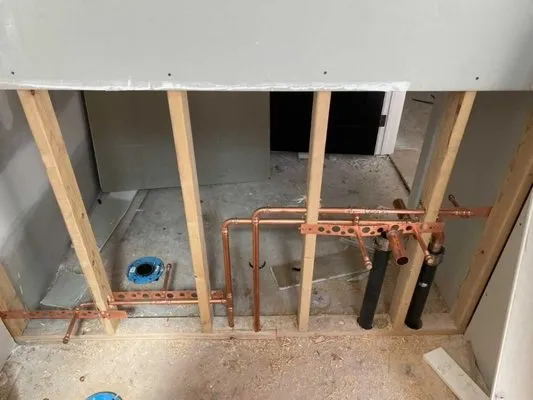
Kcs Plumbing is a trusted, full-service plumbing company serving Philadelphia homeowners. We specialize in addressing the common and disruptive plumbing issues that impact local residences, such as se...
Plumbing Problem Solvers
Plumbing Problem Solvers in Lansdowne, PA is a locally-owned plumbing service built on a foundation of family tradition and genuine passion for the trade. Our team grew up learning the business from t...
Glenolden Plumbing Services is a locally-owned plumbing business in Philadelphia, PA, founded in 2017 by master plumber Sabrina. With over a decade of experience, Sabrina has built a reputation for re...
Zoom Drain in Plymouth Meeting, PA, is built on a legacy of family, hard work, and dedication to local service. Founded nearly three decades ago by Jim Criniti and his family, the business grew from a...
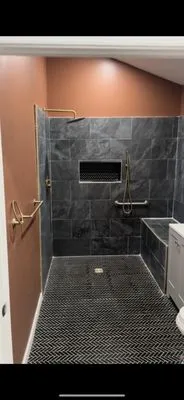
Founded by tradespeople who built strong relationships within the Philadelphia construction community, Bottom Side Plumbing and Other Things is a general contracting company dedicated to helping local...
For over 12 years, Mr. Tubs Plumbing & Heating has been a trusted, family-owned business serving Cheltenham, PA, and the greater Philadelphia area. Founded and operated by a Master Plumber with a deep...
Estimated Plumbing Costs in Parkside, PA
Frequently Asked Questions
My Parkside home is from the 1950s. Should I be worried about the plumbing?
Built around 1952, your original galvanized steel pipes are now about 74 years old. This is well past their functional lifespan. Neighbors in Parkside Borough Residential are now routinely seeing interior rust flakes in their aerators and a significant drop in water pressure from pipes that have narrowed to a pencil's width. Complete failure, where sections collapse or split open, becomes a daily possibility at this age.
Could the hilly land near Chester Park cause sewer problems?
Yes, the slope of the land here directly stresses sewer laterals. A lateral running down a steep hill can experience excessive flow velocity, scouring the pipe, while sections on the hill's contour can sag and create low spots that collect debris. This terrain also means a main line backup from the municipal system can quickly flow downhill and become your problem at the lowest point of your property's connection.
Does Delaware River water damage water heaters?
The mineral content from the Delaware River leads to hard water, which causes heavy scale buildup. Inside a water heater, this scale acts like an insulating blanket on the heating elements or gas burner, forcing them to work harder and shortening the tank's life by years. You'll also see scale choke off showerheads and faucet aerators much faster here than in areas with softer water.
How fast can a plumber get to my house in Parkside?
For urgent calls, my typical dispatch route heads past Chester Park to catch I-95. That corridor keeps most Parkside addresses within a 20 to 30 minute window, traffic depending. It’s a straight shot that avoids the need to navigate through smaller boroughs or county roads.
What's the most important spring plumbing maintenance for Parkside?
Before the spring thaw hits its peak, walk your property and check all exterior hose bibbs. Make sure the shut-off valve inside the house for each bibb is closed and the bibb itself is drained. A frozen bibb that thaws with the valve open is a guaranteed flood. It's a simple five-minute check that prevents the most common seasonal leak we see.
What permits are needed for a water heater replacement in Parkside?
A water heater replacement requires a plumbing permit from the Parkside Borough Building Department, followed by an inspection. As a licensed master plumber, my credentials with the Pennsylvania Department of Labor and Industry allow me to pull that permit directly. I handle the red tape and schedule the inspection, ensuring the install meets all current code for safety and energy efficiency.
As a suburban homeowner, what's my responsibility for the sewer line?
In Parkside's suburban setup, you own the lateral—the pipe from your house to the curb or the borough's main line in the street. Tree roots seeking water are the most common invader, cracking old clay or joint-sealing tar in cast iron pipes. Municipal pressure is generally stable, but a blockage in your lateral is always a homeowner's repair, not the borough's.
Why do my old pipes keep springing pinhole leaks?
Galvanized steel from the 1950s corrodes from the inside out. Decades of hard water and mineral interaction cause the pipe walls to thin unevenly. This creates weak spots that fail under normal water pressure, leading to those frustrating pinhole leaks. The joints also suffer from galvanic corrosion, especially if connected to copper without a proper dielectric union, accelerating the failure.
