Top Emergency Plumbers in Olyphant, PA, 18434 | Compare & Call

There are 151 plumbing companies server in Olyphant PA
My journey in hands-on repair started young, right in the basement of my childhood home. At age eleven, I found some wire and an outlet on my dad's workbench and decided to install it myself. I manage...
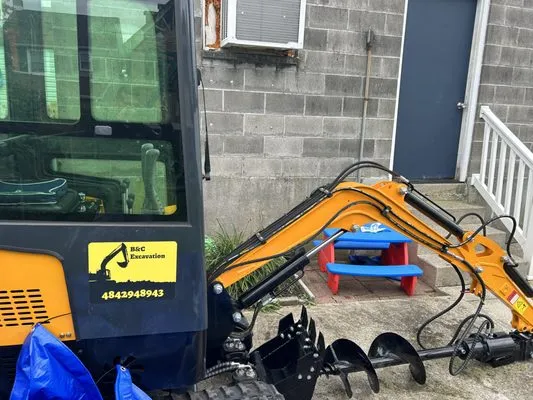
B&C Excavation is a family-owned and operated business proudly serving Allentown and the Lehigh Valley. Our foundation is built on over 20 years of combined experience, including 8 years of service wi...
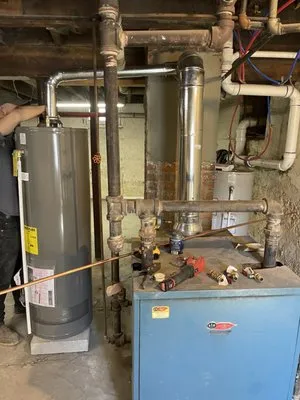
Dan Kratz Jr Plumbing & Heating is a trusted family-owned plumbing and heating service in Hanover Township, PA, with over 20 years of experience. As a fourth-generation plumber, Dan Kratz Jr. brings d...
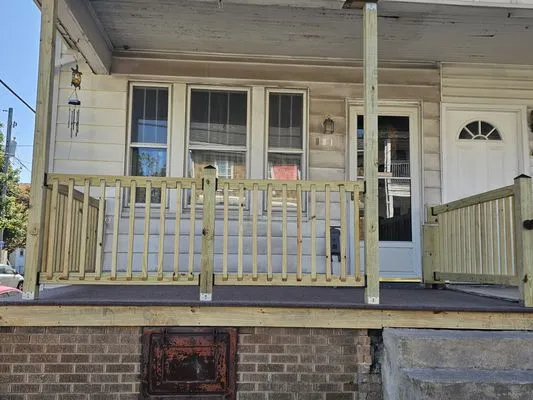
Lynn's Handyman Services is a trusted local provider in Tamaqua, PA, offering comprehensive home repair and maintenance solutions. With expertise spanning appliance installation and repair, plumbing, ...
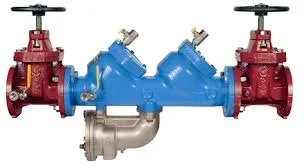
WaterBoyz Backflow Testing and Repairs LLC is a trusted local plumbing service in Allentown, PA, specializing in backflow assembly testing, maintenance, and repairs. Our expert technicians ensure your...
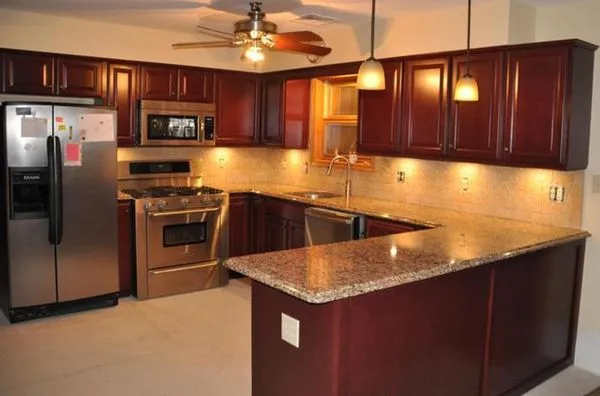
Agosto Plumbing & Remodeling
For over 20 years, Agosto Plumbing & Remodeling has been the trusted local choice for Lehighton residents and surrounding counties. We specialize in comprehensive residential plumbing and remodeling, ...
Ray's Heating & Plumbing
Ray's Heating & Plumbing has been serving Weatherly, PA, since 1995, with Ray Pillonato bringing over 40 years of hands-on experience to every job. Specializing in both plumbing and HVAC services, the...
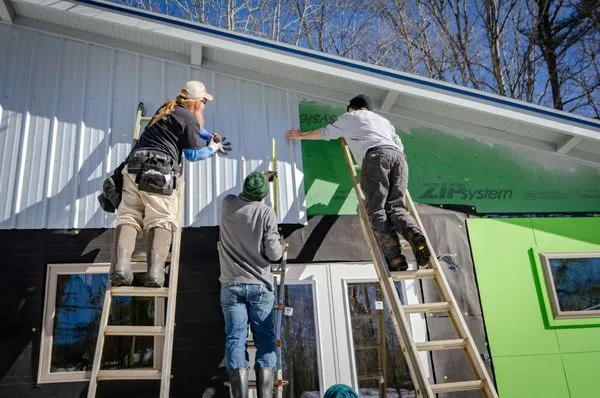
Knights For Christ is a faith-based remodeling and construction company serving the Freeland, PA community. We provide a comprehensive range of home improvement services, from kitchen and bathroom ren...
M&E Hvac Plumbing Solution's
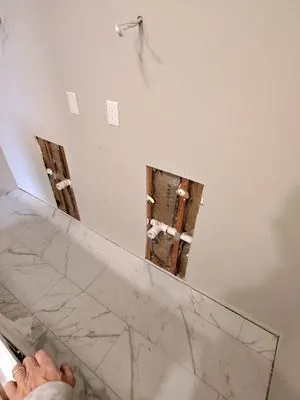
M&E HVAC Plumbing Solutions is a Scranton-based family business built on a simple, powerful idea: a comfortable, safe home should also be a responsible one. Founded by Mike, a recently married father ...
Bill The Plumber is a trusted, veteran-owned plumbing and HVAC service based in Clarks Summit, PA, serving homeowners and businesses throughout Lackawanna, Luzerne, and Wyoming Counties since 2020. We...
Estimated Plumbing Costs in Olyphant, PA
Question Answers
Does Olyphant's hard water damage my water heater?
Yes. Minerals from the Lackawanna River watershed precipitate out as scale. In a water heater, this sediment builds up at the bottom, reducing efficiency and causing overheating that cracks the glass lining. Annually flushing the tank and installing a whole-house softener are the most effective countermeasures.
How long does it take a plumber to get to my house in Olyphant?
From a call near the Lackawanna River, a dispatch heads up US-6 through the borough center. Barring heavy traffic on the commercial strips, most service calls within Olyphant Borough see a truck on-site in 20 to 30 minutes.
Who handles permits for a water heater replacement in Olyphant?
The Olyphant Borough Building Code Office issues the permit, and installation must follow Pennsylvania Department of Labor and Industry regulations. As a master plumber, I pull the permit, schedule the inspection, and ensure the work meets code. Homeowners don't need to manage that process.
As an Olyphant homeowner, am I responsible for the sewer line to the street?
You are responsible for the entire lateral from your house to the municipal main, which often runs under the street or alley. In these older suburban neighborhoods, the most common issues are root intrusion at pipe joints and collapses in terracotta or corroded cast iron sections.
Could Olyphant's hilly terrain be causing my drainage problems?
Absolutely. The slope toward the Lackawanna River can put lateral stress on your main sewer line, leading to bellied or separated joints. In heavy rain, groundwater saturation in the hillside can also overwhelm old foundation drains, leading to water intrusion in basements or crawl spaces.
Why do my galvanized steel pipes keep springing pinhole leaks?
Galvanized steel from the late 1950s loses its protective zinc coating over decades. Combined with our hard water, this causes accelerated internal corrosion. Pinhole leaks typically appear on horizontal runs where water sits, and at dielectric unions where steel meets copper, due to electrolytic corrosion.
Are the original pipes in my Olyphant home still good?
Homes here built around 1958 have 68-year-old galvanized steel supply lines. You're likely seeing rust-colored water, low flow from fixtures, and recurring leaks at threaded joints. The interior walls of these pipes have corroded to a fraction of their original diameter, restricting pressure throughout the house.
What's the most important spring plumbing task for Olyphant?
Before the spring thaw peaks, disconnect garden hoses and confirm your exterior sillcocks fully shut off. A hose left connected traps water; when it freezes again on a cold night, it can split the pipe inside your wall. This simple step prevents a common, costly leak.
