Top Emergency Plumbers in North Warren, PA, 16365 | Compare & Call

There are 17 plumbing companies server in North Warren PA
Ricket's Construction serves Thompson, OH, with a dual focus on commercial and residential property maintenance and improvement. While we specialize in commercial maintenance—including lawn care, faci...
Freeman Construction Co LLC is a family-owned and operated business serving Pleasantville and the surrounding area for over 25 years. Founded by Richard, a contractor known for his hands-on expertise ...
Pipeworks Plumbing Heating & Air Conditioning
Pipeworks Plumbing Heating & Air Conditioning is a trusted, locally-owned contractor proudly serving Warren, Forest, and McKean counties since 1994. Our team of licensed professionals is dedicated to ...
RTS Home Improvement is your trusted local home service provider in Clarendon, PA, specializing in both electrical and plumbing solutions to keep your home safe and functional. Our skilled carpenters,...

A & B Heating & Sheet Metal
Since 1953, A & B Heating & Sheet Metal has been the trusted name for heating, cooling, and plumbing services in Warren, Pennsylvania, and the surrounding NW PA and SW NY region. The family-owned comp...
Lauffenburger Heating & Air
For over 25 years, Lauffenburger Heating & Air has been the trusted local choice for dependable HVAC and plumbing solutions in Warren, Pennsylvania, and the surrounding region. As a licensed contracto...
Warren Webster Plumbing & Heating
Warren Webster Plumbing & Heating is a trusted, locally-owned contractor serving Warren, PA, and the surrounding areas. As a licensed and insured provider, we specialize in the installation, repair, a...
D.A. Cummings Plumbing is your trusted, local plumbing expert serving Warren, PA, and the surrounding areas. We specialize in comprehensive plumbing inspections, a crucial first step in identifying an...

Preferred Enterprises
For over 25 years, Preferred Enterprises has been a trusted home service provider for residents throughout Warren County. Our team specializes in a comprehensive range of services designed to maintain...
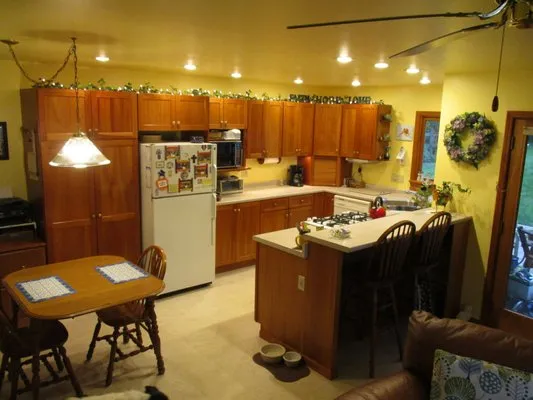
Sabbia John F General Contracting is a trusted local contractor serving Warren, PA, and the surrounding areas. With expertise in bathroom and kitchen remodeling, building additions, deck construction,...
Estimated Plumbing Costs in North Warren, PA
Common Questions
What's the most important cold-weather plumbing tip for this area?
Given our 15-degree lows and being in a snow belt, a key pro-tip is to disconnect and drain your garden hoses before the first hard freeze. A frozen hose bib can burst the water line inside your wall. For homes with crawl spaces, ensuring vent covers are secure to prevent freezing pipes under the house is a simple, critical step each fall.
Who handles permits for a water heater or bathroom remodel?
Conewango Township Zoning and Permit Office issues local permits, while the Pennsylvania Department of Labor and Industry oversees the plumbing code. As a licensed master plumber, I pull all required permits and schedule inspections for the work. My credential means I handle that red tape directly, ensuring the job meets code so you don't have to navigate it yourself.
Could my home's hilly lot be causing plumbing problems?
The sloping terrain common around Allegheny National Forest stresses main sewer lines. A lateral line running downhill can develop low spots where waste and grease settle, creating recurrent clogs. On the supply side, the constant pressure variation from elevation changes can fatigue old galvanized fittings, making them more prone to leaks at threaded connections.
How old are the pipes in my North Warren home, and what should I be watching for?
Homes built around 1951, which is common in Conewango Heights, have galvanized steel plumbing that's now 75 years old. At this age, the protective zinc coating inside the pipe has completely eroded, exposing the raw steel to rust and mineral buildup. Homeowners are now seeing chronic low water pressure from internal scaling and experiencing sudden pinhole leaks in pipe walls that have thinned over decades.
As a homeowner here, what should I know about my water and sewer setup?
North Warren is a suburban municipality, so you're on public water and sewer. The main concern is the condition of your private lateral line from the house to the street main. In older neighborhoods, tree roots are drawn to the moisture in old clay or corroded pipe joints, which can cause significant blockages and require camera inspection to locate precisely.
Why do my old pipes keep springing leaks?
Galvanized steel from the 1950s fails in a predictable way. Joints and elbows, where the pipe threads are cut, lose their galvanization first. This leads to accelerated corrosion and joint calcification, which can freeze and crack fittings. The pipe itself also develops pinhole leaks from internal rust, often starting on the bottom of horizontal runs where water and sediment sit.
How quickly can a plumber get to my house in North Warren?
My typical dispatch from the Allegheny National Forest area follows US-6 straight into North Warren. Heading past the forest on US-6 is the most reliable route, avoiding backroad delays. This puts me at most addresses in Conewango Heights or North Warren within a 20 to 30 minute window, barring major winter weather on those roads.
Does Allegheny River water damage my plumbing?
The river supplies very hard water, high in dissolved minerals like calcium and magnesium. This causes rapid scale buildup inside appliances and pipes. Water heaters are especially vulnerable; the heating elements become insulated by scale, reducing efficiency and leading to premature failure. You'll also see mineral deposits clogging aerators on faucets and showerheads.
