Top Emergency Plumbers in North Shenango Township, PA, 16131 | Compare & Call

North Shenango Township Emergency Plumbers
Phone : (888) 860-0649
There are 189 plumbing companies server in North Shenango Township PA
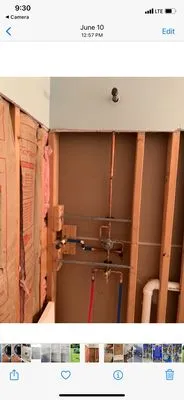
Advanced Plumbing in Austintown, OH, is a trusted local plumbing service provider dedicated to helping homeowners and businesses with a wide range of plumbing needs. From routine installations and rep...

Smylie One Heating Cooling & Plumbing
Smylie One Heating Cooling & Plumbing brings over six decades of trusted service to Bedford Heights and Northeast Ohio, rooted in a family legacy that began in 1955. Now led by Steven Smylie, Gary Ros...
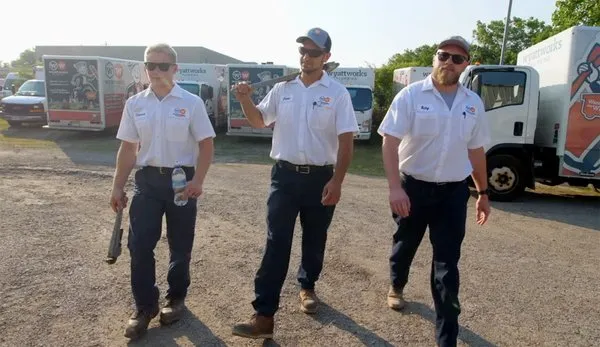
WyattWorks Plumbing
WyattWorks Plumbing has been serving Seven Hills, OH, since 1980, providing reliable plumbing solutions for homeowners. Specializing in hydro-jetting, water heater services, drain cleaning, and trench...

Invisible Excavations
Invisible Excavations is a fourth-generation, family-owned plumbing and HVAC service provider serving Cleveland, OH, and surrounding counties. Specializing in trenchless sewer line repair, water heate...
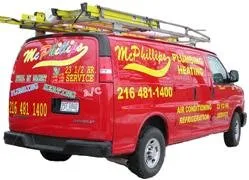
Mc Phillips Plumbing Heating & Air Conditioning
Mc Phillips Plumbing Heating & Air Conditioning has been a trusted Cleveland institution since 1907, operating as a family-owned business that has grown from its plumbing roots to become a full-servic...
Mr. Rooter Plumbing of Cleveland
Mr. Rooter Plumbing of Cleveland provides reliable plumbing services from our base in Valley View, OH. Since its founding in 1970, the Mr. Rooter brand has been built on a commitment to honest pricing...
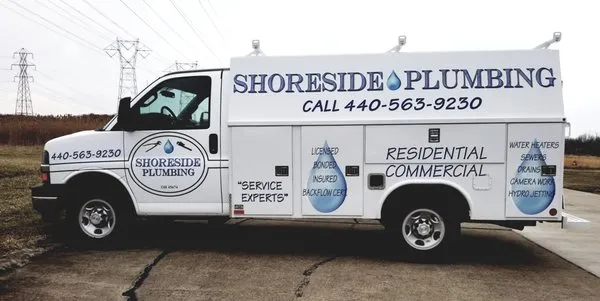
Shoreside Plumbing has been Rome's trusted local plumbing expert since 1998. Founded by James, who has over two decades of experience from his time with T&J Septic and McPhillips Plumbing, our team no...
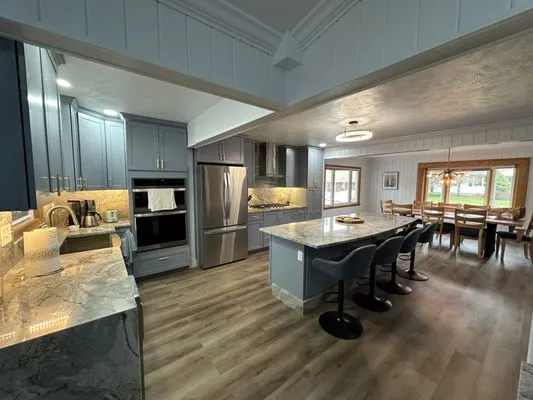
Lakeview Construction is a Cleveland-based building and remodeling contractor dedicated to transforming local homes. We handle projects of all sizes, from comprehensive ground-up construction—includin...
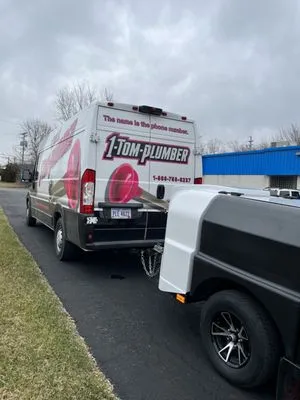
1-Tom-Plumber is a full-service plumbing company serving Eastlake, OH, and the greater Cleveland area. Founded in 2022 through a partnership with a locally owned family plumbing business with over 20 ...
Reeves Plumbing & Heating
Reeves Plumbing & Heating is a family-owned and operated company serving Eastlake, Ohio, and the surrounding communities. Founded by Rick Reeves and now run by his sons, Rick and Jeremy, the business ...
Estimated Plumbing Costs in North Shenango Township, PA
Frequently Asked Questions
How quickly can a plumber get to me if I'm on the other side of the lake?
Heading past Pymatuning State Park on US-6 is my standard route into the township. From there, it's a network of township roads. For most calls in North Shenango Township, you can expect a service vehicle at your door within 45 to 60 minutes. We factor in the distance and local traffic patterns to give you a realistic window so you're not waiting around.
Our house was built around 1978, and now we're seeing blue-green stains and small leaks. Is this normal?
Homes in Espyville built in the late 70s are now approaching 50 years old, and that's the lifespan of the original copper plumbing. What you're seeing are classic signs of aging copper. The blue-green stains indicate pitting corrosion from your well water chemistry, and those pinhole leaks are a failure of the pipe wall after decades of service. It's not an emergency yet, but it signals that a systematic review of your plumbing is prudent.
I keep hearing a ticking noise in my walls after I run hot water. What's causing that?
That ticking is copper pipes expanding and contracting as they heat and cool. In a 1978 home, the original hangers and brackets securing the pipe in the walls have often loosened or corroded. When the pipe slides against a wood stud or a loose strap, it creates that sound. More importantly, that movement can fatigue soldered joints over time, leading to leaks at elbows and tees.
My yard is always soggy near the house, even when it hasn't rained. Could this be a plumbing issue?
Given the hilly terrain around Pymatuning, that persistent damp spot often points to a compromised main water line or a drain line. The slope can put extra stress on the pipe where it enters your home's foundation. A small leak can travel downhill through the soil, surfacing as a wet area. It's worth investigating before erosion undermines your foundation or the leak grows larger.
Do I need a permit to replace my water heater or re-pipe my house?
Yes, most substantial plumbing work in North Shenango Township requires a permit from the Zoning Office, and it must be inspected. As a master plumber licensed by the Pennsylvania Department of Labor and Industry, I handle pulling the permit, scheduling inspections, and ensuring the work meets all code requirements. My job is to manage that red tape so your project is documented and compliant.
We're on a private well and our fixtures keep clogging with white crust. What's going on?
That white crust is scale buildup from the hard water common to local wells. The minerals in the water, primarily calcium and magnesium, solidify on the inner surfaces of pipes and fixtures. It restricts flow in showerheads and faucet aerators first. Inside your water heater, this scale acts as an insulator, forcing the unit to work harder and significantly shortening its lifespan.
What's the one thing I should do before spring to avoid a plumbing disaster?
Before the spring thaw hits its peak, shut off and drain any exterior water lines, including garden hose bibs. Our winter lows around 17°F mean those lines freeze solid. When they thaw, any trapped ice can expand and crack the pipe or fitting. A burst exterior spigot can flood a basement or crawl space. It's a five-minute job that prevents a major headache.
As a rural homeowner, what are the unique plumbing systems I need to maintain?
Beyond your home's interior pipes, your two critical systems are the private well and the septic tank. The well pump and pressure tank require periodic checks, and the water should be tested. For the septic system, regular pumping every three to five years is non-negotiable to prevent backups and drain field failure. Neglecting either can lead to costly, disruptive repairs.
