Top Emergency Plumbers in North Hopewell, PA, 17313 | Compare & Call

There are 238 plumbing companies server in North Hopewell PA

Hi, I'm Jim Morrow, owner-operator of James Morrow Electrician. My passion for electrical work started in 9th grade shop class—I wasn't just satisfied to see a light turn on; I needed to understand th...

Arrow Plumbing & Mechanical
Arrow Plumbing & Mechanical is a family-owned plumbing service founded in Denver, PA, in 2006 by Master Plumber Tim. With over 25 years of experience, Tim started the company to offer residents of Lan...
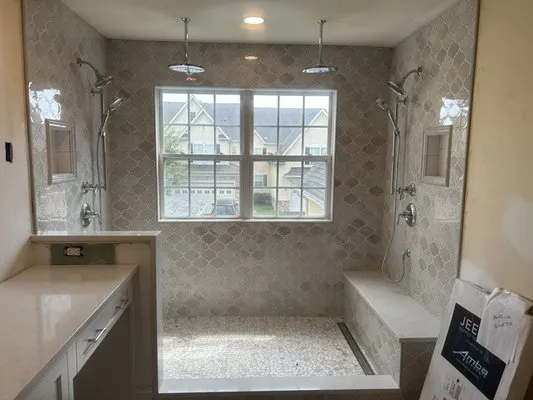
Mountain Top Mechanical is a trusted plumbing service provider for Reinholds, PA, and the surrounding communities. We understand the local challenges homeowners face, particularly with basement floodi...
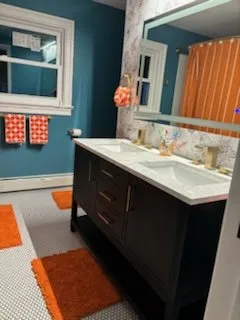
Coss & Sons Home Services is a family-owned and operated business dedicated to serving the homeowners of Elizabethtown and surrounding Lancaster County. We specialize in a comprehensive range of home ...
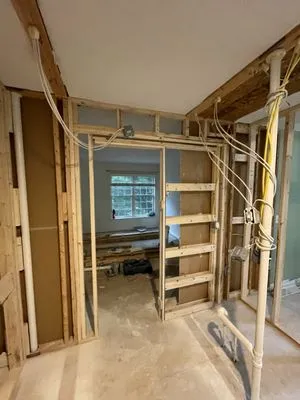
Kort’s General Contracting & Home Improvement
Kort's General Contracting & Home Improvement is your trusted local contractor in Akron, PA, providing comprehensive home renovation and repair services. We specialize in everything from kitchen and b...
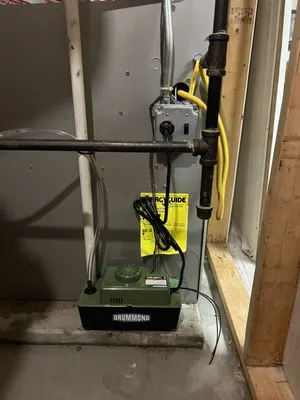
American Home Repairs & Installations
American Home Repairs & Installations is your trusted local home service provider in East York, PA. We understand that a happy home is a functional one, which is why we focus on getting the job done r...

1776 Plumbing & Drains
1776 Plumbing & Drains is a locally owned and operated plumbing company serving Shermans Dale and all of Central Pennsylvania. Our team brings over 50 years of combined hands-on experience to every jo...
Advanced Plumbing Solutions is your trusted, licensed plumbing expert serving York, PA, and the surrounding communities. We understand the common frustrations local homeowners face, from persistent to...
Drip Drop Plumbing & Drains is a family-owned and operated plumbing company serving Annville and the central Pennsylvania area. With years of experience in the trade, we bring specialized knowledge, s...
HL Bowman Inc is a third-generation, family-owned HVAC and plumbing company that has been a trusted part of the Harrisburg community for over 65 years. Operating from the same location for 38 years, t...
Estimated Plumbing Costs in North Hopewell, PA
FAQs
Who handles the permits for a water heater replacement in North Hopewell?
The North Hopewell Township Building Code Department issues the permits, and all work must comply with Pennsylvania Department of Labor and Industry regulations. As a licensed master plumber, I pull the required permits, schedule the inspections, and ensure the installation meets code. My job is to handle that red tape so you don't have to navigate it yourself.
What's the most important spring plumbing task around here?
Before the spring thaw hits its peak, disconnect any garden hoses from your outdoor faucets. If water remains trapped in the hose bib, it can freeze and expand back into the pipe inside your wall, causing a split. This simple step is the single most effective thing a homeowner can do to prevent a common and costly leak in our temperate climate, where we still see lows around 22 degrees.
How quickly can a plumber get to North Hopewell in an emergency?
From our shop near the Muddy Creek Forks Historic District, the route is straightforward. We head east to I-83, which provides a direct run into the township. Barring major traffic, we can typically be on-site in North Hopewell within 45 to 60 minutes of your call. We factor in the local backroads off the exit to give you a realistic arrival window.
Are there special plumbing concerns for a rural home like mine?
Rural properties here often rely on private wells and septic systems, not municipal lines. Well pump pressure switches and tanks need regular service, and septic systems require mindful use and pumping every few years. We also check for proper backflow prevention on irrigation systems to protect your well water. It's a different set of priorities than a home on city water and sewer.
Does our hard water from the Susquehanna River wreck appliances?
The minerals in our hard water, sourced from the Susquehanna watershed, precipitate out as scale. Inside a water heater, this scale blankets the heating elements, forcing them to work harder and fail sooner. On faucets and showerheads, it clogs aerators and reduces flow. A whole-house water softener is the standard solution here, protecting your water heater, fixtures, and pipes from accelerated wear.
Why do I keep getting pinhole leaks in my copper pipes?
Pinhole leaks in 1980s-era copper are often due to a process called Type 2 pitting corrosion. Our area's hard, mineral-rich water accelerates it. Over four decades, microscopic pits in the pipe wall deepen until they penetrate completely. It's not a matter of if, but when, especially on hot water lines. Replacing entire affected runs, rather than just patching, is usually the most reliable fix.
Our house was built in the mid-80s, are the pipes getting too old?
Copper pipes installed around 1984 are now over 40 years old. In Felton and this area, we're seeing a predictable stage of wear. The solder joints can weaken, and the pipe walls themselves begin to thin in spots from decades of water flow and our hard water. It's a good time to have a plumber check key joints and water pressure, as proactive maintenance now can prevent a major leak later.
Could the hilly land around Muddy Creek Forks cause plumbing problems?
Yes, the sloping terrain common here affects drainage and pipe stress. For homes built on a grade, the main sewer line running downhill can develop low spots where waste and sediment collect, leading to recurring clogs. The soil itself can also shift slightly over time, putting stress on the main water line where it enters the house foundation, a common point for leaks.
