Top Emergency Plumbers in North Franklin, PA, 15301 | Compare & Call

There are 154 plumbing companies server in North Franklin PA
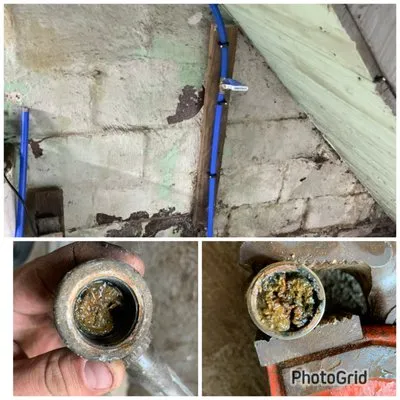
For over eight years, I've dedicated myself to the plumbing trade in the Upper Ohio Valley. What began as helping friends and neighbors with side jobs grew so consistently that by 2019, I made the dec...
Savin Spaces Junk Removal LLC is a trusted, locally-owned company serving Wellsville, Ohio, and the surrounding communities. We specialize in two key areas that help homeowners and businesses reclaim ...
Affordable Budget Plumbing & Drain
Affordable Budget Plumbing & Drain is a trusted local plumbing service in Mingo Junction, OH, dedicated to providing reliable and cost-effective solutions for residential plumbing needs. We specialize...

All Service Home Maintenance in Dillonvale, OH, is your trusted local partner for residential and commercial property upkeep. We provide a comprehensive range of solutions, from electrical panel and c...

Hi, I'm Alex, known around Salem as 'Big Al.' For the past 15 years, I've been dedicated to providing reliable plumbing services to my neighbors, handling everything from a simple faucet repair to a f...
Revelation Plumbing serves Pittsburgh homeowners with reliable, same-day plumbing solutions. We understand that plumbing emergencies like burst pipes or sewer backups can't wait, which is why we arriv...
1-Tom-Plumber is a trusted plumbing service in Tarentum, PA, offering comprehensive solutions for both residential and commercial clients. Available 24/7/365, we specialize in everything from routine ...

Metz Plumbing & Sewer Lining LLC is a family-owned plumbing service rooted in Canonsburg, PA, with over 20 years of industry experience. Founded by professionals who previously managed a large local c...

Knight & Day Plumbing
Knight & Day Plumbing is a trusted, full-service plumbing company serving Pittsburgh, PA, and the surrounding communities. We specialize in addressing the unique plumbing challenges of the Steel City,...
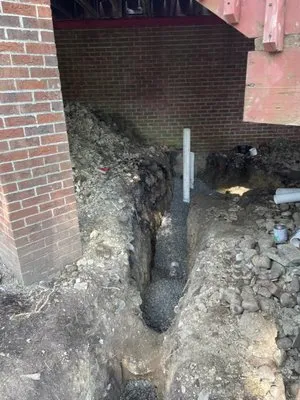
G Horvath Plumbing is a trusted, locally-owned plumbing service serving Pittsburgh and the surrounding communities. As a full-service plumbing contractor, they handle everything from routine repairs t...
Estimated Plumbing Costs in North Franklin, PA
Q&A
What permits do I need for a water heater replacement in North Franklin Township?
The North Franklin Township Building Department requires a permit for a water heater swap, largely to ensure proper safety pan and discharge line installation. As a master plumber licensed by the Pennsylvania Department of Labor and Industry, I pull that permit, schedule the inspection, and handle the red tape so you don't have to. It's part of the job.
Could the hilly land near Washington Park affect my home's drainage?
The slope puts constant, uneven stress on the main sewer lateral running from your house to the street. Over decades, this can cause the pipe to sag or separate at joints, creating a belly that collects debris and leads to backups. It also means surface water runs toward foundations, so ensuring your downspouts drain well away from the house is critical.
How fast can a plumber get to my house in North Franklin?
Heading past Washington Park on I-70 gets us into most of North Franklin within that 20-30 minute window. We know the back roads off the exits to avoid traffic. For a true emergency, we dispatch directly from our shop with that route already mapped.
What's the best way to prevent frozen pipes here with our winters?
While our 22-degree lows aren't extreme, the spring thaw is the real risk. Water inside pipes freezes, then the rapid thaw and pressure surge cause splits. The pro-tip is to disconnect and drain outdoor hoses before the first hard freeze, and keep cabinet doors open on colder nights to let warm air circulate around pipes under sinks.
Does the Monongahela River water cause problems for my plumbing?
The mineral content from the river leads to hard water, which deposits scale inside pipes and appliances. Water heaters are especially vulnerable; the bottom of the tank can become insulated by scale, causing the element to overwork and fail prematurely. You'll see the same chalky buildup shortening the lifespan of faucet cartridges and shower valves.
How old are the copper pipes in my Franklin Terrace home, and what should I watch for?
Homes built around 1974, like many in Franklin Terrace, now have 52-year-old copper plumbing. At this stage, pinhole leaks from internal corrosion are common. You might notice small, persistent drips in basements or lower cabinets, or unexplained drops in water pressure. This is a predictable lifecycle issue for copper from that era.
As a suburban homeowner, what are my main plumbing concerns?
You're on municipal water and sewer, which means consistent pressure but also specific issues. The lateral line from your house to the street is your responsibility. Tree roots seeking the water in that line are a frequent cause of clogs. Also, pressure regulators, if you have one, can fail over time and need checking to protect your fixtures.
Why are my 1970s copper pipes suddenly springing leaks?
Copper pipes installed in the 1970s often fail at soldered joints due to decades of thermal expansion and contraction. The solder can weaken, and mineral scale from our hard water accelerates pitting around these connections. It's rarely one big burst; it's usually a series of small, corroded joint failures behind walls or under slabs.
