Top Emergency Plumbers in North Belle Vernon, PA, 15012 | Compare & Call

North Belle Vernon Emergency Plumbers
Phone : (888) 860-0649
There are 129 plumbing companies server in North Belle Vernon PA

Hi, I'm Alex, known around Salem as 'Big Al.' For the past 15 years, I've been dedicated to providing reliable plumbing services to my neighbors, handling everything from a simple faucet repair to a f...
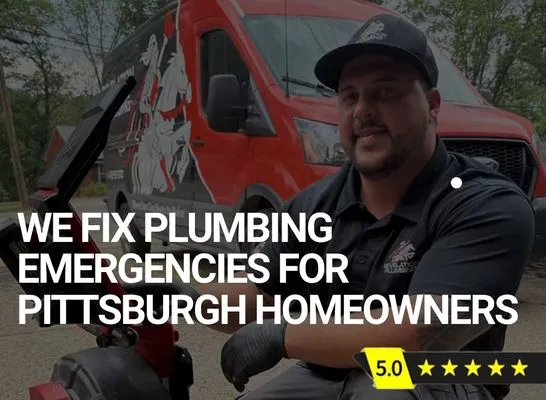
Revelation Plumbing serves Pittsburgh homeowners with reliable, same-day plumbing solutions. We understand that plumbing emergencies like burst pipes or sewer backups can't wait, which is why we arriv...
1-Tom-Plumber is a trusted plumbing service in Tarentum, PA, offering comprehensive solutions for both residential and commercial clients. Available 24/7/365, we specialize in everything from routine ...

Metz Plumbing & Sewer Lining LLC is a family-owned plumbing service rooted in Canonsburg, PA, with over 20 years of industry experience. Founded by professionals who previously managed a large local c...
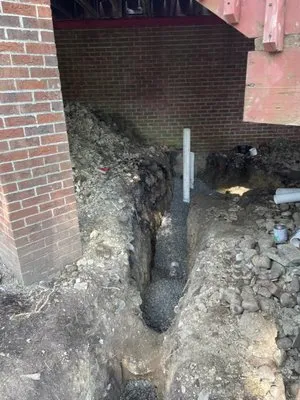
G Horvath Plumbing is a trusted, locally-owned plumbing service serving Pittsburgh and the surrounding communities. As a full-service plumbing contractor, they handle everything from routine repairs t...
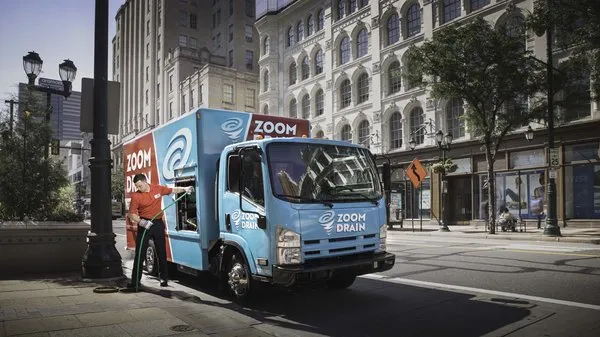
Zoom Drain of Pittsburgh is a locally owned and operated plumbing service founded by Pittsburgh native Mark Puzas. With deep roots in the community and a background in accounting and real estate, Puza...
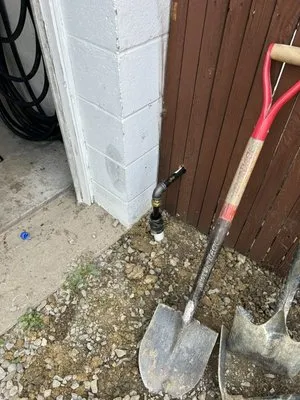
Kaleb's Kustom Plumbing is a veteran-owned company serving Pittsburgh, founded in 2023 on principles of integrity, honesty, and respect. As a proud Air Force veteran, husband, and father of four, owne...

412 Plumbing
412 Plumbing is a trusted, family-owned plumbing service in Bridgeville, PA, dedicated to serving the South Hills community. We provide a full range of plumbing solutions for both homes and businesses...

RJS Plumbing is a locally-owned and operated Pittsburgh plumbing service built on a foundation of integrity and fairness. After nearly two decades working for other companies in the area, owner Ryan r...
Perfect Pipes Plumbing is a trusted local plumbing service in Pittsburgh, PA, dedicated to helping homeowners tackle common plumbing problems like garbage disposal jams and broken shutoff valves. With...
Estimated Plumbing Costs in North Belle Vernon, PA
Common Questions
How quickly can a plumber get to North Belle Vernon in an emergency?
From our shop near Cedar Creek Park, we head straight to the I-70 on-ramp. That gives us a direct route into North Belle Vernon and Belle Vernon Heights without getting bogged down in local traffic. Our average dispatch time for emergencies in your borough is 35 to 45 minutes from the call. We keep trucks stocked for the common failures we see here, so we're usually prepared to start the repair as soon as we arrive.
What's happening inside my old galvanized steel pipes?
Galvanized steel from the 1950s suffers from two main issues. Rust forms on the inside, which flakes off and mixes with the hard water minerals to create a thick, restrictive scale. This scale chokes the pipe's diameter, slowing your water to a trickle. Simultaneously, the steel itself corrodes, leading to pinhole leaks, especially at threaded joints where the protective zinc coating was compromised during installation.
Who handles permits and inspections for a plumbing job in North Belle Vernon?
All permits and required inspections are coordinated through the North Belle Vernon Borough Building. As a licensed Master Plumber, my credentials are filed with the Pennsylvania Department of Labor and Industry. I handle pulling the necessary permits, scheduling inspections, and ensuring the work meets all current state and local codes. My job is to manage that red tape so you don't have to, and to guarantee the work is legally compliant and insurable.
Why are so many houses in Belle Vernon Heights having plumbing issues all of a sudden?
Most homes in this area were built around 1950, which means their original galvanized steel pipes are now 75-80 years old. That's the typical end of a galvanized pipe's functional lifespan. What you're seeing now is the cumulative effect of decades of internal corrosion and mineral buildup. Walls of the pipe thin out until they can't hold pressure, leading to widespread leaks and sudden drops in water volume throughout the house.
As a homeowner in a suburban borough, what are my main plumbing concerns?
In a suburban setting like North Belle Vernon, you're connected to municipal water and sewer. Your primary concerns are the age and material of the pipes within your property line and the lateral line to the street. Tree roots seeking water are a constant threat to sewer laterals. Also, water pressure from the municipal main can fluctuate; having a properly functioning pressure regulator is key to protecting your home's internal plumbing from surges.
Does water from the Monongahela River damage my water heater?
Yes, indirectly. Water drawn from the Monongahela is very hard, meaning it's high in dissolved minerals like calcium and magnesium. When heated, these minerals solidify into scale that coats the inside of your water heater tank and clogs its anode rod. This scale acts as an insulator, forcing the heater to work harder and burn more fuel, while also accelerating tank corrosion. You'll see reduced efficiency, higher bills, and a shorter appliance lifespan.
What should I do to prepare my pipes for a Belle Vernon winter?
Our temperate climate sees lows around 21 degrees, but the real risk comes during the spring thaw when frozen ground shifts. Before winter, disconnect and drain all outdoor hoses and shut off the supply valves to your exterior faucets. For pipes in unheated crawl spaces, consider installing pipe insulation. The most critical pro-tip is to know the location of your main water shut-off valve and ensure it operates smoothly, so you can stop a burst pipe immediately.
Can the hilly land around Cedar Creek Park cause plumbing problems?
Absolutely. The steep slopes put significant static pressure on the main water line coming into your home from the street. Over decades, this constant stress can fatigue older pipes and fittings. Furthermore, gravity affects drainage. On a hillside, wastewater moves quickly, but soil erosion around the buried sewer lateral can expose it or cause settling that creates low spots and blockages. We often find that lateral lines on slopes need more frequent inspection.
