Top Emergency Plumbers in North Annville, PA, 17003 | Compare & Call

There are 239 plumbing companies server in North Annville PA

Hi, I'm Jim Morrow, owner-operator of James Morrow Electrician. My passion for electrical work started in 9th grade shop class—I wasn't just satisfied to see a light turn on; I needed to understand th...
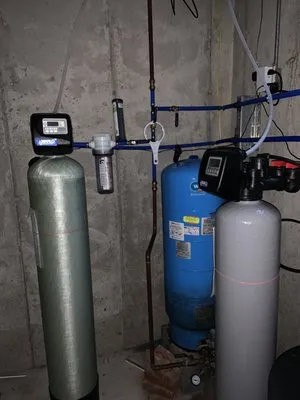
EMJ Plumbing is a trusted, family-owned and operated plumbing service that has been a reliable fixture in Hokendauqua and the greater Lehigh Valley for over 15 years. Our experienced team specializes ...
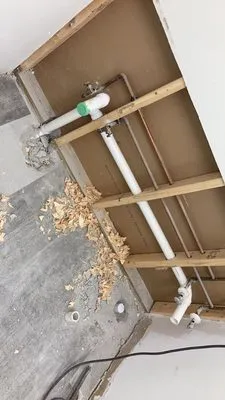
Star Plumbing and Fixture Repair is a locally owned and operated plumbing service in Stiles, PA, founded by Tim, who brings 4 years of hands-on experience from working with various companies on projec...

Essig Plumbing & Heating has been serving Berks County since 1938 as a family-owned plumbing and HVAC contractor. With three generations of experience, we provide comprehensive services including plum...

Maitz Home Services
Maitz Home Services is a trusted, licensed home improvement contractor (PA005662) serving Allentown, PA, and the surrounding communities. For over 50 years, we have built our reputation on a simple, p...
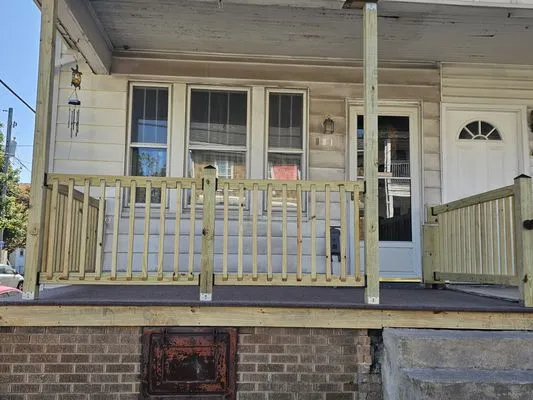
Lynn's Handyman Services is a trusted local provider in Tamaqua, PA, offering comprehensive home repair and maintenance solutions. With expertise spanning appliance installation and repair, plumbing, ...
Clear Flow Water Solutions is your trusted, local plumbing expert serving Oley, PA, and the surrounding communities. We specialize in a comprehensive range of residential and commercial plumbing servi...
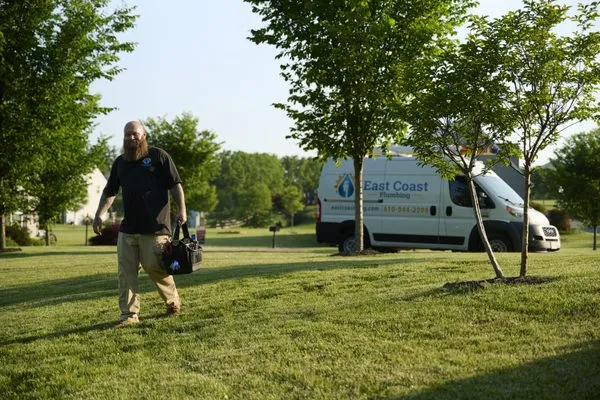
East Coast Plumbing
East Coast Plumbing is your trusted local plumber serving Barto and the surrounding communities in Montgomery, Bucks, Berks, and Lehigh Counties. We provide reliable residential and commercial plumbin...

Two Guys Plumbing Heating & Cooling
Two Guys Plumbing Heating & Cooling is a locally owned and operated business serving Kutztown, PA, and the surrounding areas since 2005. Founded by Pat and Rich, who each brought over 20 years of prio...
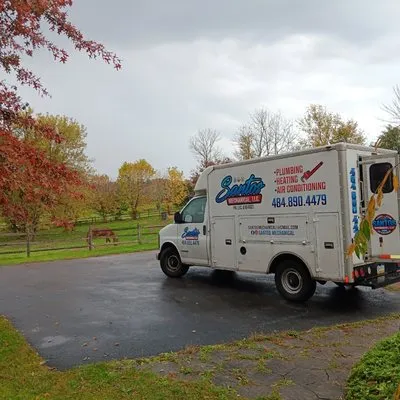
Santos Mechanical is a trusted plumbing, heating, and air conditioning service provider serving Douglassville, PA, and surrounding areas. With over 23 years of experience, we specialize in servicing, ...
Estimated Plumbing Costs in North Annville, PA
FAQs
How quickly can a plumber reach my home in North Annville for an emergency?
From our base near Quittapahilla Creek, we take US-422 east toward Annville Village, which typically puts us at your door in 45-60 minutes. This route avoids backroad delays common in rural areas. We keep trucks stocked with common copper fittings and repair materials specific to older homes, so we're ready to work immediately upon arrival.
Why do my copper pipes keep springing small leaks?
Copper pipes from 1978 often develop pinhole leaks due to electrolytic corrosion between the copper and any dissimilar metals in the system. Without proper dielectric unions, galvanic action eats through the pipe walls over decades. Joint calcification from hard water minerals also stresses solder points, creating weak spots that fail first. These failures typically appear in horizontal runs where water sits and corrosion concentrates.
What should I do to prepare my plumbing for spring in Pennsylvania?
Spring thaw brings the annual peak in plumbing calls when frozen ground shifts and stresses pipe connections. Before temperatures consistently stay above freezing, check all exterior hose bibs for leaks and ensure crawl space vents are closed to prevent cold air exposure. Insulate pipes in unheated areas, and know where your main water shutoff valve is located. These simple steps prevent most thaw-related emergencies.
Our Annville Village home was built in the late 1970s - should I be worried about the plumbing?
Copper pipes installed around 1978 are now 48 years old. At this age, homeowners in Annville Village often notice pinhole leaks developing, especially at joints where solder has weakened. The copper itself can thin from decades of water flow, leading to small failures that start as damp spots or minor drips. Regular inspections of exposed pipes in basements or crawl spaces help catch these issues before they become major.
What permits are needed for plumbing work in North Annville Township?
North Annville Township requires permits for most plumbing modifications, which we handle directly with their zoning office. As a Pennsylvania Department of Labor and Industry licensed master plumber, I ensure all work meets state code requirements for safety and quality. This includes proper backflow prevention on well systems and correct venting for drainage. We manage the paperwork and inspections so homeowners can focus on their daily routines without bureaucratic delays.
Does our well water damage plumbing fixtures over time?
Private wells in this area deliver hard water with high mineral content that causes scale buildup. Inside water heaters, this scale insulates heating elements, forcing them to work harder and fail prematurely. On faucets and showerheads, mineral deposits restrict flow and degrade rubber seals. Installing a whole-house water softener protects your plumbing investment by reducing scale accumulation throughout the system.
Could the flat land near Quittapahilla Creek cause drainage problems?
Plain terrain with minimal slope affects drainage by allowing water to pool rather than run off. Near Quittapahilla Creek, saturated soil puts constant pressure on buried main lines, potentially causing settlement or joint separation over time. Proper grading away from your foundation and functional downspout extensions help direct water away from critical plumbing infrastructure. We often find that homes in low-lying areas benefit from French drains or sump pumps to manage groundwater.
Are there special considerations for plumbing in rural North Annville?
Rural properties with private wells and septic systems require different maintenance than municipal water homes. Well pumps need periodic pressure checks, and septic systems demand careful attention to what goes down drains to avoid backups. Unlike city water with consistent pressure, well systems experience pressure fluctuations that can stress older pipes. We recommend annual inspections of both well and septic components to catch issues before they become emergencies.
