Top Emergency Plumbers in Newlin Township, PA, 19320 | Compare & Call

There are 233 plumbing companies server in Newlin Township PA
WJW Plumbing and HVAC is a trusted, full-service company serving Philadelphia and the surrounding area. We specialize in professional plumbing and HVAC installations, from emergency pipe repairs and w...

Glenolden Plumbing Services is a locally-owned plumbing business in Philadelphia, PA, founded in 2017 by master plumber Sabrina. With over a decade of experience, Sabrina has built a reputation for re...
Zoom Drain in Plymouth Meeting, PA, is built on a legacy of family, hard work, and dedication to local service. Founded nearly three decades ago by Jim Criniti and his family, the business grew from a...
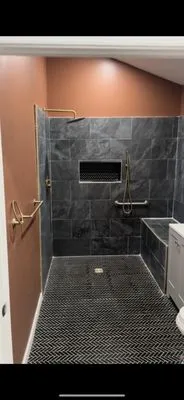
Founded by tradespeople who built strong relationships within the Philadelphia construction community, Bottom Side Plumbing and Other Things is a general contracting company dedicated to helping local...
James Brown Plumbing Heating & Air Conditioning
James Brown Plumbing Heating & Air Conditioning has been a trusted family-owned business serving West Chester and Chester County for over 30 years. We specialize in comprehensive plumbing, heating, an...
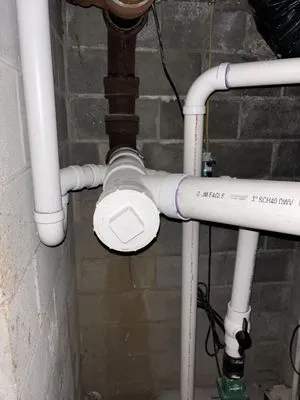
Clear Flow Drain Cleaning & Plumbing is a trusted local plumbing service based in Philadelphia, PA, dedicated to keeping homes and businesses running smoothly. We specialize in a comprehensive range o...
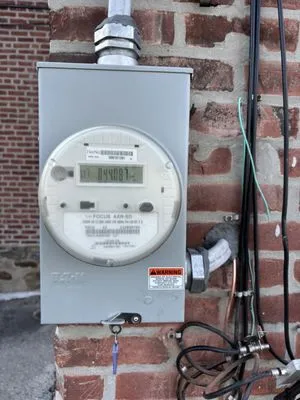
CONTRACTOR PROS is a Swarthmore-based contracting business owned and operated by a 21-year Army combat veteran. With core values of honor, integrity, respect, service, and professionalism at the foref...
Burnside Plumbing and Heating
Burnside Plumbing and Heating is a true family operation, built on generations of plumbing expertise right here in Berwyn. Founded by Greg, a master plumber since 1984 who learned the trade from his f...
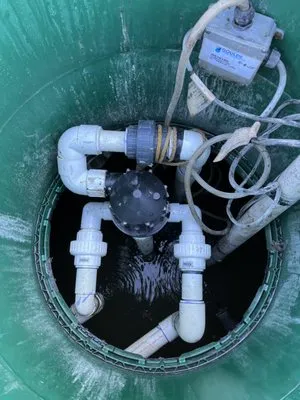
Penn Forge is a trusted, full-service handyman company serving Nottingham, PA, and the surrounding communities. We specialize in electrical work, plumbing, drywall repair, floor installation, and comp...
Horizon Services
Horizon Services has been providing reliable heating, cooling, and plumbing services to Audubon, PA homeowners since 1987. Founded by Dave Geiger with a commitment to always do the right thing, we've ...
Estimated Plumbing Costs in Newlin Township, PA
Question Answers
Our copper pipes are original to our 1978 Newlin Township home. Should we be concerned?
Homes in Embreeville with original 1978 copper plumbing are now dealing with 48-year-old systems. At this age, the internal pipe walls have thinned significantly from decades of water flow. You might notice a sudden increase in pinhole leaks, particularly at solder joints or where pipes contact dissimilar metals. This is a predictable failure point for copper of this vintage, and proactive assessment is more cost-effective than chasing emergency repairs.
How quickly can a plumber get to my house in Newlin Township?
Our typical dispatch route from the Embreeville area involves heading past Stroud Preserve to access US-322. Traffic on that corridor is the main variable, so we factor in a 45 to 60 minute window for most calls in the township. We provide a specific dispatch window once the truck is rolling, so you’re not waiting on an estimate all day.
Does having a private well with hard water damage my plumbing?
Yes, the unsoftened mineral content from private wells directly accelerates scale buildup. Inside your water heater, this sediment acts as an insulator, forcing the unit to work harder and shortening its lifespan. On fixtures, it clogs aerators and cartridge valves. Installing a whole-house water softener is the single most effective upgrade to protect all your appliances and piping from this environment.
How is maintaining a rural home's plumbing system different?
Rural plumbing here revolves around two self-contained systems: the private well and the septic system. They are interdependent. Overusing water or introducing harsh chemicals can disrupt the bacterial balance in your septic tank, leading to drain field failure. Similarly, a failing pressure tank or well pump issue immediately becomes a household water emergency, as there's no municipal backup. Maintenance focuses on preserving the balance of both systems.
What are the most common plumbing problems in older homes here?
For 1978 copper systems, joint calcification and pinhole leaks are the primary failures. Mineral scale from decades of hard water slowly builds up inside fittings, restricting flow and creating stress points. The pinholes often appear on horizontal pipe runs or just downstream of fittings. Re-piping affected sections with new copper and proper dielectric unions to prevent galvanic corrosion is the standard repair.
Who handles permits for a plumbing job in Newlin Township?
All permits and inspections are coordinated through the Newlin Township Building and Zoning Department, under Pennsylvania Department of Labor and Industry codes. As a licensed master plumber, I handle that red tape directly. This includes submitting plans, scheduling inspections, and ensuring the work meets code for your property records, so you don't have to navigate the process yourself.
Could the hilly land around Stroud Preserve affect my home's drainage?
The sloping terrain common here directly impacts drainage system performance. Downspout runoff that isn't directed well away from your foundation can saturate the soil, increasing hydrostatic pressure against basement walls. For your main sewer line, a significant slope can cause waste to move too quickly, leaving solids behind and increasing the risk of blockages. Proper grading and sometimes adding a drain line cleanout at the base of a hill are key considerations.
What should I do to prepare my plumbing for spring in this climate?
The spring thaw, following our average 22-degree lows, is a peak period for leaks. A specific pro-tip is to check all exposed pipes in basements and crawlspaces for condensation or minor weeping you may have missed during winter. Thawing ground can shift foundation slabs, stressing main supply lines where they enter the home. Inspecting these areas in early March can catch a small issue before it becomes a major leak.
