Top Emergency Plumbers in New Hanover, PA, 18054 | Compare & Call

There are 234 plumbing companies server in New Hanover PA
Philadelphia Plumbing Services, LLC is a locally owned and operated plumbing company established in 2012. Our registered Master Plumber and team provide reliable residential and commercial plumbing se...
Plumbing Pals
Plumbing Pals is a family-owned and operated plumbing company serving Philadelphia and the surrounding communities. We specialize in drain cleaning, hydro jetting, and camera scope inspections, provid...
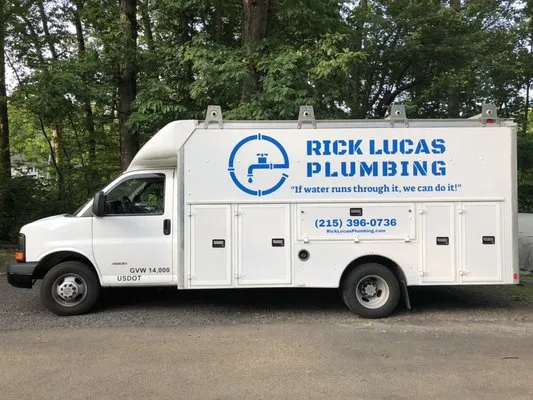
Rick Lucas Plumbing & Remodeling - Plumber in Bucks County
Rick Lucas Plumbing & Remodeling is a family-owned and operated plumbing service proudly serving Feasterville-Trevose and all of Bucks County. With over 35 years of hands-on experience and a master pl...
Goodman Plumbing
Goodman Plumbing has been a trusted name in Philadelphia, Bucks, and Montgomery Counties since 1956. As a second-generation, family-owned and operated business, we bring over six decades of local expe...
Pinnacle Plumbing
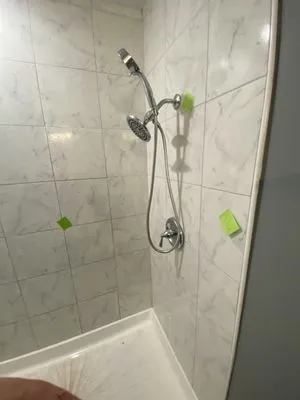
Pinnacle Plumbing is a family-owned and operated business serving Philadelphia with over 25 years of dedicated local experience. We understand that plumbing problems are more than just an inconvenienc...
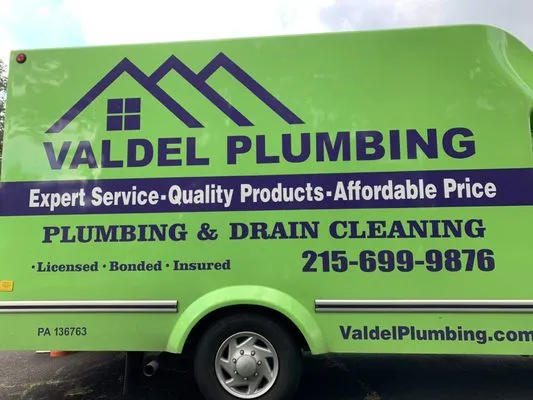
Valdel Plumbing is a licensed plumbing company serving Norristown, PA, and surrounding areas since 2013. We provide comprehensive plumbing services for both residential and commercial clients, includi...
WJW Plumbing and HVAC is a trusted, full-service company serving Philadelphia and the surrounding area. We specialize in professional plumbing and HVAC installations, from emergency pipe repairs and w...

Glenolden Plumbing Services is a locally-owned plumbing business in Philadelphia, PA, founded in 2017 by master plumber Sabrina. With over a decade of experience, Sabrina has built a reputation for re...
Facelift Remodelers & Plumbing Services
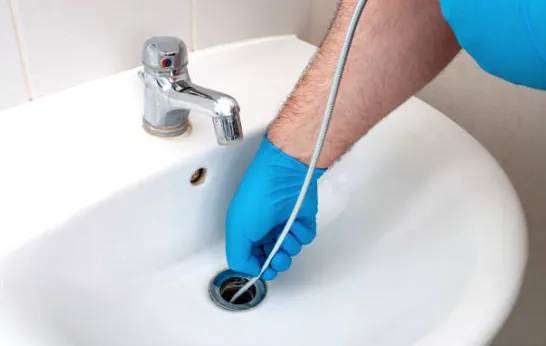
Facelift Remodelers & Plumbing Services is a Philadelphia-based plumbing company dedicated to providing reliable and transparent plumbing solutions for local homeowners. With expertise in water heater...
Victor James Plumbing & Heating has been a trusted, family-owned plumbing contractor serving Phoenixville and the surrounding Chester County communities since 1987. Founded by master plumber Victor Ja...
Estimated Plumbing Costs in New Hanover, PA
Q&A
How does rural living in New Hanover impact my septic and well systems?
Rural properties here rely on private wells and septic systems that require different maintenance than municipal services. Well pumps need regular inspection for pressure consistency and sediment filters require frequent changing. Septic systems should be pumped every 3-5 years depending on household size. These systems operate independently, so proactive maintenance prevents costly emergencies.
How quickly can a plumber reach my home in New Hanover?
Heading past New Hanover Community Park on PA-663 gets me into most neighborhoods within 45-60 minutes. That route connects directly to residential areas while avoiding congestion points. I plan dispatch based on traffic patterns and keep emergency slots open during spring thaw when call volume peaks.
My copper pipes are from 1988 - what should I expect at this age?
Copper pipes installed around 1988 are now 38 years old. Homeowners in New Hanover Square often notice pinhole leaks developing in sections with consistent water flow. Scale buildup from decades of hard water accelerates corrosion at joints and elbows. You might see blue-green stains on fixtures or experience reduced water pressure as mineral deposits accumulate inside the pipes.
How does well water with hard minerals affect my plumbing system?
Private wells in New Hanover deliver water with high mineral content that causes scale buildup throughout your plumbing. Water heaters accumulate sediment that reduces efficiency and can cause overheating. Fixtures develop restricted flow as minerals coat aerators and valve seats. A whole-house water softener protects appliances and extends pipe lifespan in this area.
Who handles permits for plumbing work in New Hanover Township?
I coordinate directly with New Hanover Township Building and Zoning Department for all required permits. My Pennsylvania Department of Labor and Industry credentials ensure work meets state code requirements. This includes septic system approvals, well modifications, and major plumbing renovations. Handling this red tape saves homeowners time and ensures compliance with local regulations.
Does hilly terrain around New Hanover affect my drainage system?
The slopes near New Hanover Community Park create drainage challenges for residential plumbing. Downhill sections experience increased pressure on main sewer lines, while uphill properties may have slow drainage due to gravity limitations. Soil erosion around foundations can expose and stress water service lines. Proper grading and reinforced pipe supports address these terrain-specific issues.
What should I do before spring thaw to prevent plumbing problems?
Insulate exposed pipes in crawl spaces and basements before temperatures drop to 22°F. Disconnect garden hoses and shut off exterior faucets to prevent freeze damage. Check your main water shutoff valve for easy access during emergencies. These steps reduce the risk of burst pipes when thaw cycles create pressure fluctuations in our temperate climate.
Why do my copper pipes keep springing pinhole leaks?
Copper pipes from the late 1980s develop pinhole leaks due to electrolytic corrosion between dissimilar metals and scale buildup from hard water. The thin walls at solder joints become vulnerable after decades of mineral accumulation. Proper dielectric unions between copper and other metals can slow this process, but replacement becomes necessary once multiple leaks appear.
