Top Emergency Plumbers in Mill Hall, PA, 17751 | Compare & Call

There are 43 plumbing companies server in Mill Hall PA
BK Plumbing & Repair is a family-owned, certified master plumbing service proudly serving the Mifflinburg community. We are fully insured and bring years of dedicated property maintenance experience t...
Rabenstein Heating, Air Conditioning & Plumbing
Rabenstein Heating, Air Conditioning & Plumbing is a trusted local provider serving Williamsburg, PA, and surrounding Blair, Huntingdon, Northern Bedford, and Southern Centre Counties. Established in ...
Perry's Plumbing Heating Air Conditioning
Perry's Plumbing Heating Air Conditioning has been serving the Lock Haven community for over 45 years, specializing in plumbing and heating with an additional decade of expertise in air conditioning s...
RC Heating and Cooling
RC Heating and Cooling is a certified HVAC contractor serving Williamsport, PA, and the surrounding Tioga and Lycoming County areas for nearly a decade. With expertise in HVAC, plumbing, and gas line ...
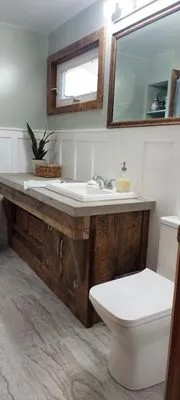
Savannah Plumbing is a family-owned plumbing and heating company serving Emporium and the surrounding PA Wilds region since 2013. With over 20 years of combined experience, we specialize in residentia...

CB Plumbing is a trusted plumbing and electrical service provider serving Warriors Mark, PA, and the surrounding areas. We specialize in a wide range of services, including bathtub, shower, sink, toil...
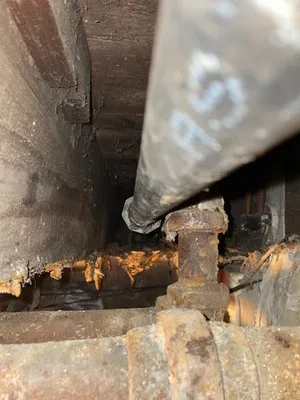
GT HVAC & Plumbing is a trusted, locally owned and operated service provider in Osceola Mills, PA. We specialize in comprehensive plumbing and HVAC solutions designed to meet the unique challenges fac...
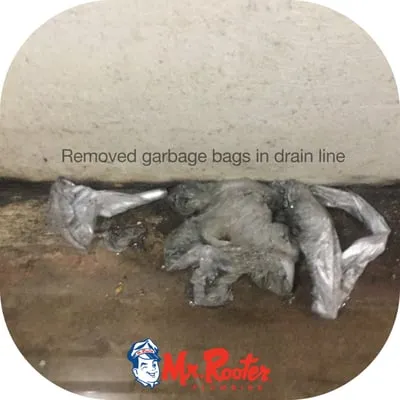
Mr. Rooter Plumbing Of Happy Valley is a trusted local plumbing service based in Bellefonte, PA, dedicated to helping homeowners address common plumbing problems. Many homes in the area face issues li...
Triangle Heating, Cooling & Plumbing
For over four decades, Triangle Heating, Cooling & Plumbing has been the trusted, veteran-operated choice for homeowners and businesses throughout Bellefonte and Central Pennsylvania. Our deep local r...

Renovo Heating & Cooling
Renovo Heating & Cooling has been a trusted family-owned business in Renovo, PA, for over 45 years. We specialize in both HVAC and plumbing services, from heating and cooling system maintenance to ful...
Estimated Plumbing Costs in Mill Hall, PA
Common Questions
Does hard water from Bald Eagle Creek damage my plumbing?
Hard water from Bald Eagle Creek deposits mineral scale inside pipes and water heaters. Scale buildup reduces water flow, increases energy costs, and shortens appliance lifespan. Water heaters especially suffer from sediment accumulation at the bottom of the tank. Installing a water softener or regular descaling can mitigate these effects.
Why do my old pipes keep springing leaks?
Galvanized steel pipes from 1958 develop pinhole leaks due to internal corrosion and scale buildup. The threaded joints calcify over decades, becoming brittle and prone to failure. These failures often occur behind walls or under floors, causing hidden water damage. Replacing sections with copper or PEX prevents recurring problems.
How old are the pipes in my Mill Hall home built around 1958?
Galvanized steel pipes installed in 1958 are now 68 years old. Homeowners in Mill Hall Borough often notice reduced water pressure, rust-colored water, and frequent leaks at threaded joints. This happens because the zinc coating has worn away, exposing the underlying steel to corrosion. At this age, complete pipe replacement is typically more cost-effective than repeated repairs.
How does rural living in Mill Hall affect my septic and well systems?
Rural properties in Mill Hall typically rely on private wells and septic systems. Well pumps and pressure tanks require regular maintenance to handle hard water conditions. Septic systems need pumping every 3-5 years depending on household size. Understanding your system's capacity prevents overflows and ensures reliable water supply without municipal connections.
What should I do before spring thaw to prevent plumbing problems?
Before spring thaw when temperatures can drop to 18°F, insulate exposed pipes in crawl spaces and basements. Disconnect garden hoses and shut off outdoor faucets from inside. Keep your thermostat set to at least 55°F during cold snaps. These steps prevent frozen pipes that often burst as temperatures rise during thaw periods.
Who handles permits for plumbing work in Clinton County?
I manage all necessary permits through the Clinton County Planning Department and maintain Pennsylvania Department of Labor and Industry credentials. This includes permits for water heater replacements, sewer line repairs, and new fixture installations. Handling the red tape ensures your project meets local codes and passes inspections without delays for you.
How quickly can a plumber reach my home in Mill Hall?
Heading past Bald Eagle State Park on US-220 gets me into Mill Hall Borough within 20-30 minutes for most calls. This route avoids congestion and provides direct access to residential areas. I keep a stocked service van ready to handle common issues like burst pipes or water heater failures without needing to return to a supply house.
Does hilly terrain around Bald Eagle State Park affect my drainage?
Hilly slopes in the Mill Hall area create drainage challenges for home plumbing systems. Downward pressure on main sewer lines can cause joint separation or pipe sagging over time. Surface water runoff during heavy rains may overwhelm drainage systems. Proper grading around your foundation and regular sewer line inspections prevent backups and structural issues.
