Top Emergency Plumbers in Middlebury Township, PA, 16901 | Compare & Call

Middlebury Township Emergency Plumbers
Phone : (888) 860-0649
There are 26 plumbing companies server in Middlebury Township PA

For over 30 years, Jim's Home Services has been the trusted handyman for Towanda area residents and businesses. With extensive training as a licensed electrician and deep plumbing knowledge, Jim bring...
Berg Plumbing & Heating is a trusted, locally-owned plumbing service in Wellsboro, PA, dedicated to helping homeowners maintain reliable and efficient plumbing systems. We specialize in thorough plumb...
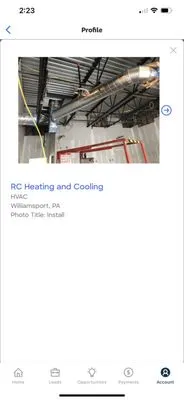
RC Heating and Cooling
RC Heating and Cooling is a certified HVAC contractor serving Williamsport, PA, and the surrounding Tioga and Lycoming County areas for nearly a decade. With expertise in HVAC, plumbing, and gas line ...
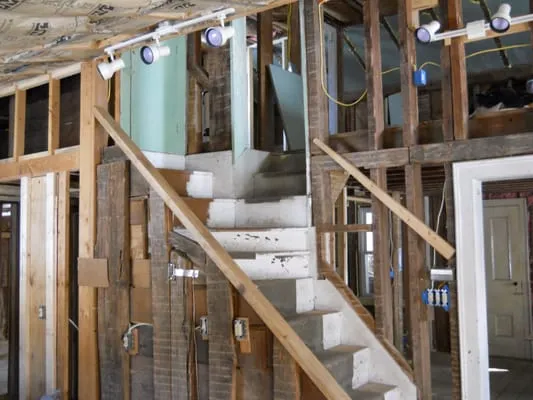
The Handiman is a veteran-owned and operated home services company proudly serving Wellsboro and Tioga County since 2010. Founded by a retired US Marine, the business is built on the principles of hon...

Vernon Williams Services, LLC is a family-owned plumbing and HVAC company serving Wellsboro, PA, and the surrounding communities since 2000. We specialize in a comprehensive range of services, includi...

Renovo Heating & Cooling
Renovo Heating & Cooling has been a trusted family-owned business in Renovo, PA, for over 45 years. We specialize in both HVAC and plumbing services, from heating and cooling system maintenance to ful...
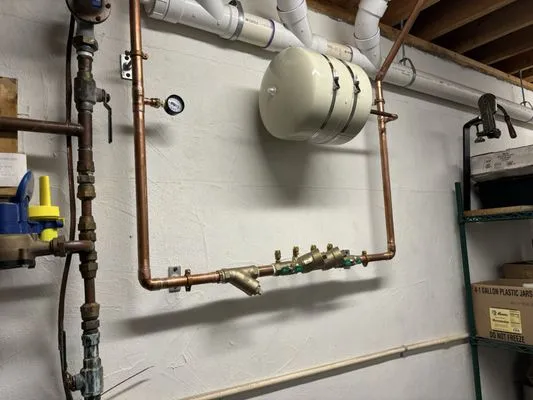
American Backflow Services is your trusted plumbing expert serving Gillett and the surrounding communities. We specialize in a comprehensive range of residential plumbing services, from bathtub and sh...
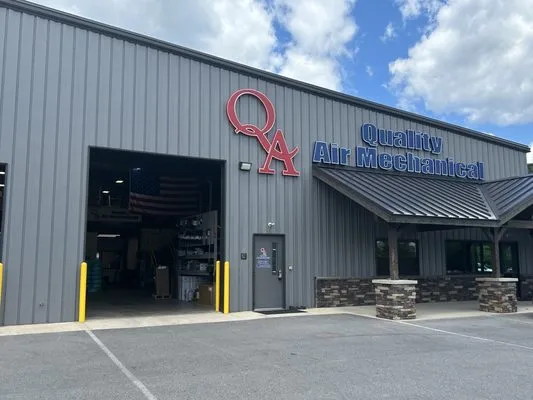
Quality Air Mechanical
Quality Air Mechanical is a trusted HVAC, plumbing, and refrigeration contractor serving Montoursville, PA, and surrounding areas since 2002. Founded by Paul Gray, Jr., Thomas Waldman, and Jimmy Pryor...
Wellsboro Plumbing & Heating Supply is your trusted local resource for reliable plumbing solutions in Wellsboro, PA. As a community-focused business, we understand the specific challenges homeowners f...

Fuller's Plumbing Heating and Electrical Contractors
Fuller's Plumbing Heating and Electrical Contractors is your trusted, local expert serving Middlebury Center and the surrounding areas. As a family-owned and operated business, we understand the speci...
Estimated Plumbing Costs in Middlebury Township, PA
Questions and Answers
What should I do before spring thaw to prevent plumbing problems?
Insulate exposed pipes in crawl spaces and basements before temperatures drop to 15°F. Drain outdoor spigots and disconnect hoses to prevent freeze damage. Check your main shutoff valve for smooth operation since spring thaw brings increased groundwater pressure that tests all connections. A small drip from faucets during extreme cold can prevent frozen lines.
Does hard well water damage my plumbing fixtures?
Private wells in this area deliver water with high mineral content that accelerates scale buildup. Water heaters accumulate sediment that reduces efficiency and can cause premature tank failure. Fixtures develop restricted flow from mineral deposits, and appliances like dishwashers require more frequent maintenance due to the abrasive nature of the scaling.
Who handles permits for plumbing work in Tioga County?
I coordinate directly with the Tioga County Planning Department for all required permits and inspections. My Pennsylvania Department of Labor and Industry credentials ensure work meets state code requirements for well and septic modifications. Homeowners avoid navigating bureaucratic processes while maintaining proper documentation for property records and future sales.
Why do my older copper pipes keep springing small leaks?
Copper pipes from 1971 often develop pinhole leaks due to dezincification and erosion corrosion. The interior surface loses its protective oxide layer over decades, allowing acidic water to eat through the thinnest sections first. Joint calcification from hard water buildup creates additional stress points where failures typically occur.
How quickly can a plumber reach my home in Middlebury Township?
Heading past Tioga State Forest on US-6, most service calls take 45-60 minutes from dispatch. The route follows winding rural roads that require careful driving, especially during winter months. I plan for this transit time when scheduling appointments to ensure accurate arrival windows for homeowners.
My copper pipes are from the 1970s - what should I expect as they age?
Copper plumbing installed around 1971 is now 55 years old. Homeowners in Middlebury Center often notice pinhole leaks appearing in straight pipe runs, especially near joints where the original flux has degraded. The thin-walled Type M copper common in that era develops corrosion fatigue from decades of water pressure cycles. You might see blue-green stains on fixtures or small damp spots on drywall before a full leak develops.
Could my home's hillside location cause drainage issues?
Hilly terrain around Tioga State Forest creates significant slope stress on main water lines. The constant gravitational pull on pipes running downhill leads to joint separation over time. Soil erosion during heavy rains exposes buried lines to temperature fluctuations, and drainage patterns can direct surface water toward foundation walls where it may infiltrate basement plumbing.
How does rural living affect my septic and well systems?
Private wells require regular testing for water quality and pump maintenance every 10-15 years. Septic systems need professional inspection every 3-5 years in this soil type, with particular attention to drain field performance. Without municipal water pressure, homes rely on well pumps that must be properly sized for the property's elevation changes and fixture count.
