Top Emergency Plumbers in Menno, PA, 17002 | Compare & Call

There are 239 plumbing companies server in Menno PA

Hi, I'm Jim Morrow, owner-operator of James Morrow Electrician. My passion for electrical work started in 9th grade shop class—I wasn't just satisfied to see a light turn on; I needed to understand th...
MK Plumbing is a trusted, licensed plumbing service operating out of Indiana, PA, and serving homeowners and businesses in Penn Run and the surrounding area. We provide a comprehensive range of servic...
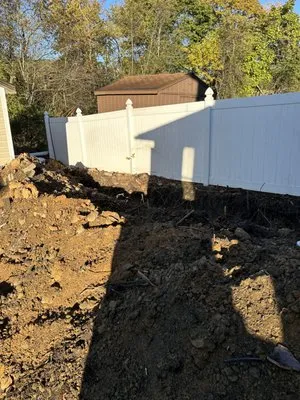
Ryland Services is a trusted provider of comprehensive maintenance solutions for Creekside, PA residents and businesses. We specialize in HVAC, plumbing, roofing, and electrical services, delivering r...
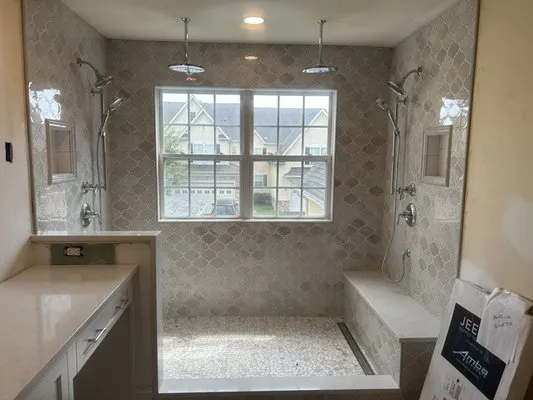
Mountain Top Mechanical is a trusted plumbing service provider for Reinholds, PA, and the surrounding communities. We understand the local challenges homeowners face, particularly with basement floodi...
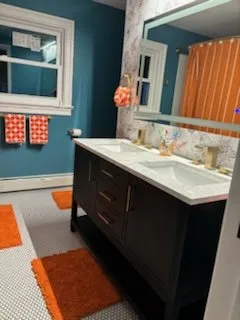
Coss & Sons Home Services is a family-owned and operated business dedicated to serving the homeowners of Elizabethtown and surrounding Lancaster County. We specialize in a comprehensive range of home ...
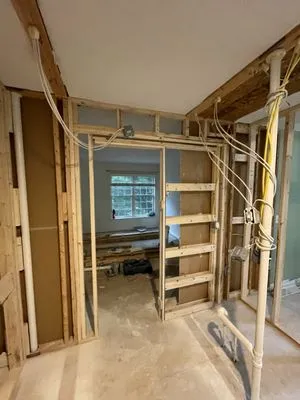
Kort’s General Contracting & Home Improvement
Kort's General Contracting & Home Improvement is your trusted local contractor in Akron, PA, providing comprehensive home renovation and repair services. We specialize in everything from kitchen and b...
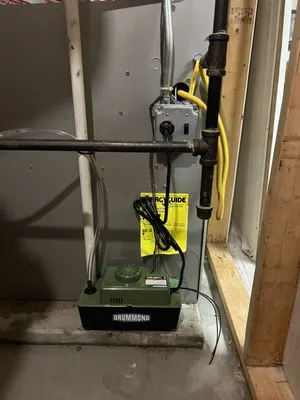
American Home Repairs & Installations
American Home Repairs & Installations is your trusted local home service provider in East York, PA. We understand that a happy home is a functional one, which is why we focus on getting the job done r...

1776 Plumbing & Drains
1776 Plumbing & Drains is a locally owned and operated plumbing company serving Shermans Dale and all of Central Pennsylvania. Our team brings over 50 years of combined hands-on experience to every jo...
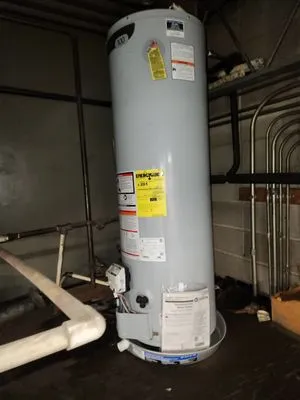
Advanced Plumbing Solutions is your trusted, licensed plumbing expert serving York, PA, and the surrounding communities. We understand the common frustrations local homeowners face, from persistent to...
Drip Drop Plumbing & Drains is a family-owned and operated plumbing company serving Annville and the central Pennsylvania area. With years of experience in the trade, we bring specialized knowledge, s...
Estimated Plumbing Costs in Menno, PA
FAQs
Could the hilly land around here cause plumbing problems?
Hilly terrain like ours near Stone Arch Bridge stresses the main sewer line or septic inlet pipe. Gravity drainage relies on a consistent slope; settling soil on a steep grade can create a low spot where waste collects and causes blockages. For water supply, the elevation changes can create high pressure points that strain older fittings. A video inspection of your main drain line can identify these stress points before they fail.
Does hard well water damage my plumbing?
Hard water from a private well deposits mineral scale inside pipes and appliances. In water heaters, this scale acts as an insulator, forcing the unit to work harder and burn out elements prematurely. On fixtures, scale buildup restricts flow and degrades washer seals and cartridge valves. Installing and maintaining a proper whole-house water softener or conditioner is the most effective defense for protecting your plumbing investment.
What's the best way to prepare my plumbing for a Menno winter?
With lows hitting 19°F, the key is managing the spring thaw, not just deep winter. A pro-tip is to disconnect and drain all outdoor hoses by late fall and shut off the interior valve to those spigots. Insulate pipes in unheated crawl spaces, but also check that your basement drain sump pump is operational before the thaw. Rapid freezing and thawing cycles put more stress on pipes than sustained cold.
How fast can a plumber get to my house in Menno?
Heading past Stone Arch Bridge on US-22 gets me into the heart of the township. From there, most calls in Menno are a 45 to 60 minute drive. I plan the dispatch route to account for truck access on back roads and weather, which can add time during heavy snow or spring rains. Knowing the local lanes helps me give you an accurate window when you call.
What permits are needed for a plumbing job in Mifflin County?
Most substantial repairs or installations in Menno Township require a permit from the Mifflin County Planning Commission. As a master plumber licensed by the Pennsylvania Department of Labor and Industry, I handle pulling those permits and scheduling the required inspections. This ensures the work meets current code for safety and resale value, so you don't have to navigate the red tape yourself.
Is septic or well maintenance different in a rural area like Menno?
Rural plumbing here means you're responsible for the entire system from the well cap to the septic field. Well pump pressure switches and tanks need annual checks, as a failing switch can burn out the pump. For septic systems, hilly terrain requires careful field placement to prevent runoff, and you should pump the tank every three to five years, not just when there's a backup. Municipal sewer assumptions don't apply.
Why are my 1970s copper pipes suddenly leaking?
A specific failure for 52-year-old copper is pinhole leaks caused by a combination of age-related thinning and galvanic corrosion. Where copper meets a different metal, like steel water heater nipples, a dielectric union may have failed or was never installed, creating an electrochemical reaction that eats through the pipe wall. We also find joints weakened by calcification from decades of hard water, requiring a full section replacement rather than a simple patch.
How long do copper pipes last in Menno homes?
Copper plumbing installed around 1974 is now 52 years old. In Menno Township, we're seeing these pipes reach a critical age where the natural thinning from decades of water flow leads to pinhole leaks, often first appearing at joints or where pipes contact dissimilar metals. This wear is accelerated by our local water chemistry. While copper is durable, proactive inspection of your main supply lines and behind fixtures can prevent a small leak from becoming major water damage.
