Top Emergency Plumbers in Marion, PA, 17067 | Compare & Call

There are 58 plumbing companies server in Marion PA

1776 Plumbing & Drains
1776 Plumbing & Drains is a locally owned and operated plumbing company serving Shermans Dale and all of Central Pennsylvania. Our team brings over 50 years of combined hands-on experience to every jo...
24/7 Drain Cleaning & Plumbing provides reliable emergency plumbing and drain services to New Cumberland, PA, and surrounding Central Pennsylvania communities. We specialize in 24/7 drain cleaning, re...
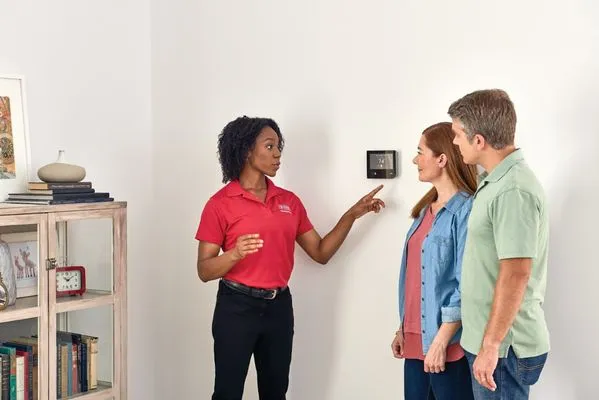
Tuckey Mechanical Services
Tuckey Mechanical Services has been serving Central Pennsylvania since 1968, originally founded as Frank Black Mechanical Services. After being purchased by Denver Tuckey in 1981 and incorporated by K...
TRM Service Company is a licensed, insured, and certified home services provider based in York, PA. Founded by an industry professional who began learning the trade as a child, the company brings over...
M&T Mechanical Services
M&T Mechanical Services is your local Mount Union expert for plumbing and electrical repairs and installations. Serving our community, we specialize in addressing common regional problems like frozen ...
Juniata Plumbing
Juniata Plumbing is a family-owned and operated business proudly serving Thompsontown, PA, and the surrounding Juniata County area. With over 20 years of dedicated experience, we provide reliable plum...
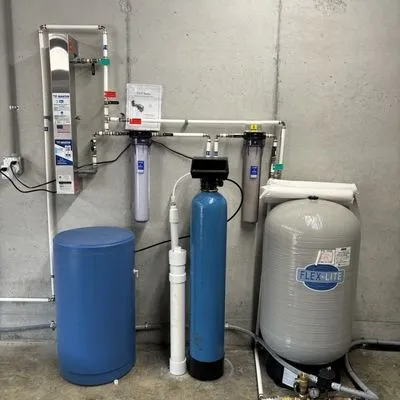
Progressive Homecare Solutions is your local handyman team in Martinsburg, dedicated to keeping homes safe, functional, and well-maintained. We understand the unique needs of our community, from seaso...

M C Plum
For over 35 years, M C Plum has been a trusted fixture in Chambersburg, providing reliable plumbing, heating, and air conditioning services. Founded in 1986 by Michael Plum, the company is built on de...
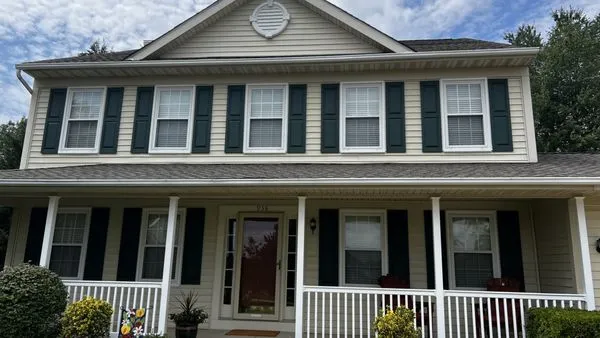
Naldo's Handy Services is a trusted local handyman business in Chambersburg, PA, owned and operated by Leonardo with 8 years of experience as an independent contractor. Leonardo approaches every job w...

Saint Mina And Pope Kyrillos
Saint Mina And Pope Kyrillos is your trusted local appliance and plumbing expert in Carlisle, PA. We specialize in professional installation and repair of ranges, stoves, and other major appliances, e...
Estimated Plumbing Costs in Marion, PA
Questions and Answers
What's the most important thing to do before spring to avoid plumbing problems?
Before the spring thaw hits its peak, disconnect and drain any outdoor garden hoses. Trapped water in the hose bib can freeze and crack the interior valve, even with our temperate lows around 22°F. A leak from a cracked bib often goes unnoticed inside the wall until significant damage occurs. This simple five-minute task is the single most effective preventative measure for Marion's climate.
Are there special plumbing considerations for a rural home with a well and septic system?
Absolutely. A rural Marion home operates as its own self-contained water and waste utility. Well pump pressure, tank condition, and water quality directly impact every fixture and appliance. On the septic side, what goes down any drain affects the tank and drain field; garbage disposals and certain chemicals should be used sparingly. Maintenance for both systems is the homeowner's responsibility, unlike with municipal services.
My water pressure has dropped in my Marion home. Could it be the old pipes?
Homes built around 1950, which includes most of Marion Village, have galvanized steel supply lines that are now about 76 years old. At this age, the interior of the pipe has corroded and built up mineral scale, which narrows the opening. You're likely seeing a gradual reduction in flow at fixtures, not a sudden burst. It's a predictable failure mode for the original plumbing in this area.
Could the hills around Marion Village cause sewer line issues?
The hilly terrain, like the slopes near Falling Spring Presbyterian Church, puts constant gravitational stress on a home's main sewer line. Over decades, this can cause the pipe to sag or separate at joints, creating a low spot where waste collects and causes blockages. Soil shifting on inclines can also stress older cast iron or clay lines, leading to cracks and root intrusion that compound drainage problems.
Why do I keep getting pinhole leaks in my basement pipes?
Galvanized steel from the 1950s loses its protective zinc coating over decades. This leaves the base iron exposed to oxygen and water, causing it to rust from the inside out. The pipe wall thins until a pinhole leak develops, often at a threaded joint or a spot of existing corrosion. In Marion's older homes, these leaks typically appear on horizontal runs in basements or crawlspaces first.
Do I need a permit to replace my water heater in Guilford Township?
Yes, Guilford Township Zoning and Building Department requires a permit for water heater replacement, as does the Pennsylvania Department of Labor and Industry for code compliance. This ensures proper venting, pressure relief, and seismic strapping are installed. As a licensed master plumber, I pull these permits and schedule the required inspections, handling the administrative red tape so the process is seamless for you.
How long does it take for a plumber to get to Marion if I have an emergency?
For a call in Marion, the most reliable dispatch route heads past Falling Spring Presbyterian Church to access I-81. That initial leg to the interstate is part of the standard 45 to 60 minute response window. Once on the highway, travel is direct. We factor that route into our scheduling for service calls in the township.
Does well water ruin water heaters faster?
Private wells in this area pull hard water, which is high in dissolved minerals like calcium and magnesium. When heated, these minerals solidify into scale that coats the bottom of your tank and the heating elements. This insulating layer forces the heater to work harder, increasing energy costs and leading to premature failure. Anode rod depletion also accelerates, leaving the tank vulnerable to corrosion.
