Top Emergency Plumbers in Lynn, PA, 18066 | Compare & Call

There are 238 plumbing companies server in Lynn PA
Zoom Drain in Plymouth Meeting, PA, is built on a legacy of family, hard work, and dedication to local service. Founded nearly three decades ago by Jim Criniti and his family, the business grew from a...

Hi, I'm Jim Morrow, owner-operator of James Morrow Electrician. My passion for electrical work started in 9th grade shop class—I wasn't just satisfied to see a light turn on; I needed to understand th...

Benjamin Franklin Plumbing
Benjamin Franklin Plumbing in Bethlehem, PA, provides reliable plumbing services for local homeowners. When plumbing emergencies strike, our team is available 24/7 to address urgent issues like burst ...
Agentis Plumbing
Agentis Plumbing is a third-generation, family-owned plumbing company that has been serving the Lehigh Valley, including Bethlehem, since 1954. We are your local Peace of Mind Plumber, committed to bu...
Fred J Moyer Plumbing
Fred J Moyer Plumbing has been the trusted plumbing choice for Allentown families since 1910. As a multi-generational, family-owned company, we've built our reputation on reliable service, honest comm...
Hello, Bethlehem. I'm Vinicius, your neighbor and the owner of Vini Handyman. As a trusted local tradesperson, I bring years of hands-on experience and a commitment to straightforward, reliable servic...

Moser Plumbing Services
Moser Plumbing Services is a family-owned and operated plumbing business based in Allentown, PA, founded in 2020 by Chad and Dominique Moser. Chad is a Licensed Master Plumber in Pennsylvania with ove...
Allentown Plumbing & Heating
Allentown Plumbing & Heating is a family-owned business that has been serving the Lehigh Valley since 1924. For over 85 years, our team has built a reputation on honesty and integrity, providing relia...
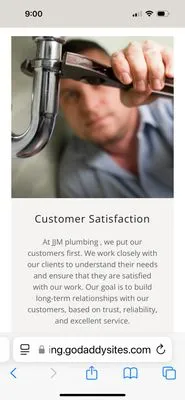
JJM Plumbing is a trusted, full-service plumbing company serving homeowners and businesses in Germansville, PA, and the surrounding Lehigh Valley. We specialize in addressing the common local plumbing...
Zoom Drain in Fogelsville is built on a deep family legacy in plumbing, started by our grandfather in 1948. Twenty years ago, we launched Zoom with our dad and brother from a spare bedroom, riding tog...
Estimated Plumbing Costs in Lynn, PA
Common Questions
Can the hilly land around here cause plumbing problems?
The slope affects drainage and pipe stress. A main line running down a hill from the house to the septic tank can experience accelerated flow that doesn't allow solids to settle properly. Conversely, supply lines buried on a slope can be subject to settling and shear stress over time, especially in the clay-heavy soils common near areas like the sports fields.
How fast can a plumber get to Lynn, PA, for an emergency call?
My typical dispatch route starts by heading past Lehigh County Sports Fields on PA-143. From there, it's a direct run into the township. Under normal conditions, that's a 45 to 60 minute drive. We plan for that travel window, so when you call, we're already loading the truck with the parts known to fail on homes of your vintage.
Who handles the permits for a repipe or septic repair in Lynn Township?
The Lynn Township Building Code Department issues local permits, and all work falls under the Pennsylvania Department of Labor and Industry's Uniform Construction Code. As a master plumber, I pull those permits, schedule the required inspections, and ensure the work meets code. Handling that red tape is part of the job, so you don't have to navigate it yourself.
Does having a private well mean my plumbing needs special care?
Yes, private wells here pull hard water, rich in minerals like calcium and magnesium. Without municipal treatment, that scale builds up aggressively inside pipes, water heaters, and fixtures. It acts like arterial plaque, restricting flow. For water heaters, this sediment buildup drastically reduces efficiency and lifespan, making regular flushing a critical maintenance task.
What's the most common plumbing failure in older Lynn homes?
Joint calcification and pinhole leaks in galvanized steel are the standard. Decades of mineral scale from the hard water cement the threaded joints shut, making any repair a section replacement, not a simple fix. The pinholes usually appear near fittings where the metal is thinnest. When one goes, others often follow quickly due to uniform pipe age.
My house in Lynn was built in the 1950s. Should I be worried about the plumbing?
Houses built around 1953 now have galvanized steel pipes that are 73 years old. In Lynn Township Center, we see a predictable pattern at this age: the internal zinc lining has worn away, leaving the bare steel to rust from the inside. This corrosion drastically reduces water pressure and causes persistent rust-colored water. It's not a question of if these pipes will fail, but when the next pinhole leak will spring.
How does living in a rural area like Lynn change my plumbing concerns?
Your system is self-contained, with a private well and septic field. This means you're responsible for the entire water cycle, from the pump pressure switch to the drainage field. Problems aren't just about leaks; a failing pressure tank or a saturated leach field are major rural-specific issues. You can't just call the municipal water authority.
What's the most important seasonal plumbing tip for this area?
Disconnect and drain your outdoor hose bibs before the first hard freeze, which can hit 19°F. The bigger pro-tip is to check your basement for slow drips during the spring thaw. That's when ground saturation and shifting from freeze-thaw cycles put peak stress on underground supply lines and foundation penetrations, revealing leaks that were dormant all winter.
