Top Emergency Plumbers in Lycoming Township, PA, 17744 | Compare & Call

There are 74 plumbing companies server in Lycoming Township PA
SHOOKIE'S Plumbing & Heating
Shookie's Plumbing & Heating was born from a very real, local need. When owner Shookie's own boiler broke down years ago and money was tight, he rolled up his sleeves and figured it out himself. That ...

For over 30 years, Jim's Home Services has been the trusted handyman for Towanda area residents and businesses. With extensive training as a licensed electrician and deep plumbing knowledge, Jim bring...

BK Plumbing & Repair is a family-owned, certified master plumbing service proudly serving the Mifflinburg community. We are fully insured and bring years of dedicated property maintenance experience t...
Rabenstein Heating, Air Conditioning & Plumbing
Rabenstein Heating, Air Conditioning & Plumbing is a trusted local provider serving Williamsburg, PA, and surrounding Blair, Huntingdon, Northern Bedford, and Southern Centre Counties. Established in ...
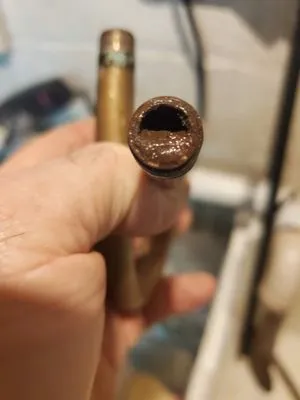
Perry's Plumbing Heating Air Conditioning
Perry's Plumbing Heating Air Conditioning has been serving the Lock Haven community for over 45 years, specializing in plumbing and heating with an additional decade of expertise in air conditioning s...
RC Heating and Cooling
RC Heating and Cooling is a certified HVAC contractor serving Williamsport, PA, and the surrounding Tioga and Lycoming County areas for nearly a decade. With expertise in HVAC, plumbing, and gas line ...
Savannah Plumbing is a family-owned plumbing and heating company serving Emporium and the surrounding PA Wilds region since 2013. With over 20 years of combined experience, we specialize in residentia...

CB Plumbing is a trusted plumbing and electrical service provider serving Warriors Mark, PA, and the surrounding areas. We specialize in a wide range of services, including bathtub, shower, sink, toil...
GT HVAC & Plumbing is a trusted, locally owned and operated service provider in Osceola Mills, PA. We specialize in comprehensive plumbing and HVAC solutions designed to meet the unique challenges fac...
Triangle Heating, Cooling & Plumbing
For over four decades, Triangle Heating, Cooling & Plumbing has been the trusted, veteran-operated choice for homeowners and businesses throughout Bellefonte and Central Pennsylvania. Our deep local r...
Estimated Plumbing Costs in Lycoming Township, PA
FAQs
How fast can a plumber get to my house in Lycoming Township?
Heading past Susquehanna State Park on US-15 provides a direct route through the valley. From there, local roads lead into the township's neighborhoods. A typical dispatch from that area takes about 20 to 30 minutes under normal traffic conditions. We factor in the time of day and weather to provide a realistic window, so you know when to expect us.
Are septic and well systems common for plumbers here?
Yes, many properties in Lycoming Township rely on private wells and septic systems. Well pumps, pressure tanks, and the associated filtration equipment are standard service calls. For septic, we focus on the building sewer line from the house to the tank, ensuring it is clear and intact. It's a different scope than in a fully municipal setting, requiring specific knowledge of pumps, jet systems, and local health code requirements for repairs.
What is a pinhole leak and why does it happen in older copper?
A pinhole leak is a tiny, localized failure in a copper pipe wall, often appearing as a fine spray or a slow drip. In pipes installed around 1974, it's frequently caused by a combination of age-related thinning and localized corrosion from mineral scale. The hard water in this area accelerates the process. The leak usually starts on the interior surface, and by the time it penetrates the wall, the surrounding pipe metal is often too compromised for a simple patch.
Who pulls permits for a water heater or repipe in Lycoming Township?
The plumber should handle all permits and inspections. Work like a repipe or a new water heater installation requires approval from the Lycoming Township Zoning and Codes Department. As a licensed master plumber credentialed with the Pennsylvania Department of Labor and Industry, I manage that paperwork and schedule the required inspections. This ensures the work meets code, which is crucial for your safety and home insurance.
Does Susquehanna River water damage my water heater?
The municipal water sourced from the Susquehanna is very hard. This leads to significant scale buildup inside your water heater's tank and on its heating elements. Over time, this insulating layer of minerals forces the unit to work harder, reducing efficiency and lifespan. We recommend flushing the tank annually to remove sediment and considering a whole-house water softener to protect all your appliances and fixtures from scaling.
Can the hilly land around here cause plumbing problems?
The sloping terrain common near Susquehanna State Park affects drainage and pipe stress. For sewer lines, gravity flow is generally good, but the soil movement on hills can gradually stress and misalign pipe joints. For water mains, the constant pressure changes from the elevation shifts can fatigue older fittings. We often find that main service lines on slopes show wear at connections years before those on level ground.
Why are copper pipes from the 70s failing in Lycoming Township?
Homes built around 1974 in the Lycoming Creek Valley have copper plumbing that is now 52 years old. At this stage, the interior walls of the pipe have experienced decades of water flow and mineral abrasion from our hard water. You will typically see pinhole leaks first, often in horizontal runs behind walls or in ceilings, as the thinned copper finally gives way. This is not a defect but the expected service life for that era of material under our local conditions.
What's the most important spring plumbing tip for this area?
Before the spring thaw peaks, disconnect any garden hoses from your exterior faucets. A hose left connected traps water in the bib, which can freeze and crack the pipe inside your wall, even with our temperate averages. Make sure all exterior faucets are shut off completely from the inside valve. This simple step prevents one of the most common and costly freeze-related calls we get after a cold night in the 20s.
