Top Emergency Plumbers in Loyalsock, PA, 17701 | Compare & Call

There are 68 plumbing companies server in Loyalsock PA

Just Junk in Sanatoga, PA, is a local service provider specializing in comprehensive property solutions, including junk removal, demolition, and drainage services. Our team handles appliance and furni...
SHOOKIE'S Plumbing & Heating
Shookie's Plumbing & Heating was born from a very real, local need. When owner Shookie's own boiler broke down years ago and money was tight, he rolled up his sleeves and figured it out himself. That ...
Primo Sewer Cleaning
Primo Sewer Cleaning is a trusted, locally owned plumbing company serving Dickson City and Northeast Pennsylvania. With over a decade of experience, we specialize in sewer and drain cleaning, hydro-je...

For over 30 years, Jim's Home Services has been the trusted handyman for Towanda area residents and businesses. With extensive training as a licensed electrician and deep plumbing knowledge, Jim bring...
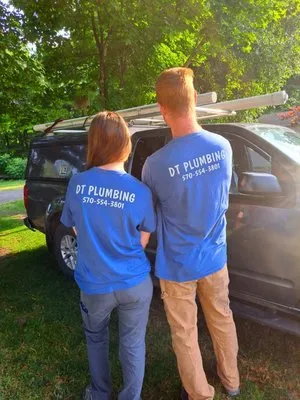
DT Plumbing is your trusted local plumbing expert serving Lewisburg, PA, and surrounding areas. We specialize in comprehensive plumbing services including bathtub, shower, sink, toilet, and water heat...
BK Plumbing & Repair is a family-owned, certified master plumbing service proudly serving the Mifflinburg community. We are fully insured and bring years of dedicated property maintenance experience t...
Perry's Plumbing Heating Air Conditioning
Perry's Plumbing Heating Air Conditioning has been serving the Lock Haven community for over 45 years, specializing in plumbing and heating with an additional decade of expertise in air conditioning s...
RC Heating and Cooling
RC Heating and Cooling is a certified HVAC contractor serving Williamsport, PA, and the surrounding Tioga and Lycoming County areas for nearly a decade. With expertise in HVAC, plumbing, and gas line ...
Renovo Heating & Cooling
Renovo Heating & Cooling has been a trusted family-owned business in Renovo, PA, for over 45 years. We specialize in both HVAC and plumbing services, from heating and cooling system maintenance to ful...
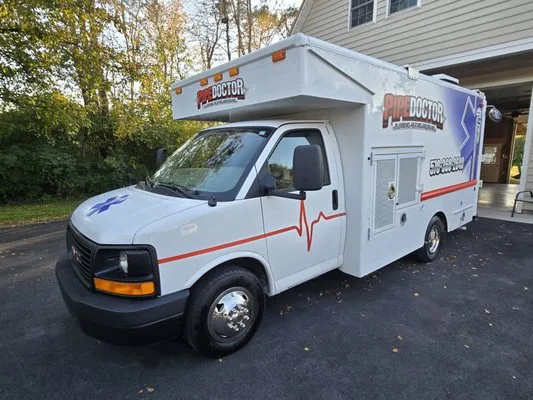
Pipe Doctor is your trusted local plumbing and HVAC expert serving Montoursville, PA, and the surrounding communities. We specialize in a comprehensive range of services designed to tackle the most co...
Estimated Plumbing Costs in Loyalsock, PA
Frequently Asked Questions
I'm on municipal water and sewer in Loyalsock Township. What should I watch for?
Municipal pressure is generally consistent, but aging gate valves and pressure regulators in homes of this vintage can fail. The main concern is the sewer lateral from your house to the street. Tree roots from oaks and maples seek out the water in old clay or jointed pipe, causing blockages that are the homeowner's responsibility to clear.
What should I do to prepare my pipes for winter in Loyalsock?
Our lows around 18°F and the spring thaw cycle are the main concerns. Disconnect and drain outdoor hoses before the first hard freeze. Insulate pipes in unheated crawl spaces or against exterior walls. A pro-tip is to know the location of your main water shut-off valve; if a pipe bursts, stopping the flow immediately minimizes damage.
Does the Susquehanna River water cause problems for my water heater?
Yes, the hard water contributes to significant scale buildup. Inside the tank, minerals precipitate out as rock-like deposits, reducing efficiency and capacity. On electric heaters, scale insulates the heating elements, causing them to overheat and fail. An annual flush and a properly maintained anode rod are critical for longevity here.
What's the most common plumbing repair for a 1960s house here?
Pinhole leaks in copper lines are the signature failure. The pipe walls thin from the inside out over 50-plus years, often accelerated by our water's mineral content. We also see failing solder joints at fittings and calcification that restricts flow. Repair typically involves cutting out the compromised section and installing a new copper or approved PEX segment.
Why are homes in Loyalsock Heights starting to have so many plumbing leaks?
Copper plumbing installed around 1968 is now 58 years old. At this age, the protective inner scale layer that formed over decades can fail, leaving the copper walls thin and reactive. Homeowners are seeing pinhole leaks, often first in hot water lines, due to decades of water chemistry interacting with the metal. This is a predictable failure point for the original systems in this neighborhood.
How quickly can a plumber get to my house in Loyalsock?
Heading past Indian Park on I-180 provides a direct route through the township. From there, local streets lead into most neighborhoods. That corridor allows for a 20 to 30 minute response window for most emergency calls in the area, barring major traffic delays on the interstate.
Do I need a permit to replace my water heater in Loyalsock?
Yes, Loyalsock Township requires a plumbing permit for water heater replacement, which includes an inspection. As a master plumber licensed by the Pennsylvania Department of Labor and Industry, I pull the permit, ensure the installation meets all current code for expansion tanks and drainage, and schedule the inspection. I handle that red tape so you don't have to.
Could the hills near Indian Park affect my home's plumbing?
Hilly terrain places static pressure on main sewer lines and can complicate drainage. A home at a lower elevation might see increased pressure on its main drain line from uphill flow. Conversely, houses on slopes may have sewer lines that are too shallow or too deep, making them susceptible to settling or root intrusion from the mature trees common in these areas.
