Top Emergency Plumbers in Loyalhanna, PA, 15620 | Compare & Call

There are 125 plumbing companies server in Loyalhanna PA
1-Tom-Plumber is a trusted plumbing service in Tarentum, PA, offering comprehensive solutions for both residential and commercial clients. Available 24/7/365, we specialize in everything from routine ...
Metz Plumbing & Sewer Lining LLC is a family-owned plumbing service rooted in Canonsburg, PA, with over 20 years of industry experience. Founded by professionals who previously managed a large local c...
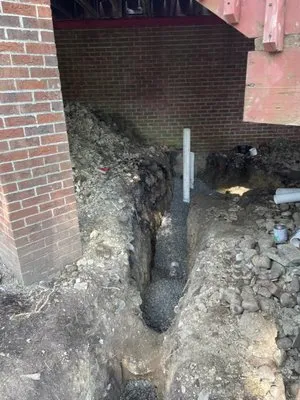
G Horvath Plumbing is a trusted, locally-owned plumbing service serving Pittsburgh and the surrounding communities. As a full-service plumbing contractor, they handle everything from routine repairs t...
Zoom Drain of Pittsburgh is a locally owned and operated plumbing service founded by Pittsburgh native Mark Puzas. With deep roots in the community and a background in accounting and real estate, Puza...
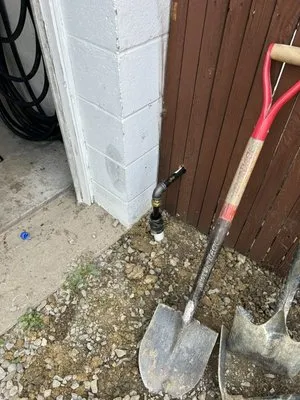
Kaleb's Kustom Plumbing is a veteran-owned company serving Pittsburgh, founded in 2023 on principles of integrity, honesty, and respect. As a proud Air Force veteran, husband, and father of four, owne...

RJS Plumbing is a locally-owned and operated Pittsburgh plumbing service built on a foundation of integrity and fairness. After nearly two decades working for other companies in the area, owner Ryan r...
Perfect Pipes Plumbing is a trusted local plumbing service in Pittsburgh, PA, dedicated to helping homeowners tackle common plumbing problems like garbage disposal jams and broken shutoff valves. With...

Steve the Plumber is a Pittsburgh-based plumbing and electrical service provider with eight years of hands-on experience in the trade. Working under a master plumber since 2017, Steve now operates ind...
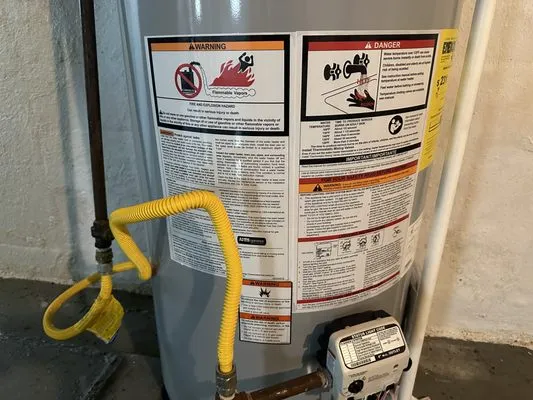
Day to Day Plumbing has been Pittsburgh's trusted plumbing partner since 2019, providing reliable and professional solutions for homeowners and businesses throughout the area. We specialize in compreh...
Shelton Plumbing
Shelton Plumbing has been the trusted, family-owned plumbing service for Pittsburgh and the A-K Valley since 1983. Founded by Master Plumber John Shelton, our company was built on the principles of re...
Estimated Plumbing Costs in Loyalhanna, PA
Q&A
Do rural homes around here have different plumbing concerns than town homes?
Absolutely. Most homes in Loyalhanna Township are on private wells and septic systems, not municipal water and sewer. This means the entire system, from the well pump and pressure tank to the septic field, is your responsibility. We check for issues like a failing pressure switch, sediment from the well clogging fixtures, or tree root intrusion into the septic lateral—problems you typically wouldn't see on a public system.
How long does it take for a plumber to get out here from Latrobe or Greensburg?
Heading past Loyalhanna Dam on US-30 is our standard dispatch route from the shop. It's a reliable 45 to 60 minute drive to most homes in the township, depending on your exact location off the main road. We plan for that transit time so you get an accurate service window, and we call when we're turning off US-30 onto your local roads.
Who handles the permits if I need to replace my main water line?
Loyalhanna Township Zoning and Code Enforcement requires permits for main line replacement, and the work must be inspected. As a master plumber licensed by the Pennsylvania Department of Labor and Industry, I pull those permits, schedule the inspections, and ensure the installation meets all current code. My credentials mean I handle that red tape so you don't have to navigate the township office yourself.
What causes those tiny leaks to suddenly appear in my basement pipes?
Galvanized steel pipes installed in the late 1950s are prone to pinhole leaks. Decades of mineral scale from our hard water build up unevenly inside the pipe, creating pockets where corrosion accelerates. This eats a microscopic hole through the steel wall. The leak often starts as a small drip or a damp spot on the pipe, but it indicates the surrounding metal is also thin and compromised.
Could the hilly land around Loyalhanna Dam cause plumbing problems?
Yes, the slope of the terrain directly impacts your drainage and supply lines. A steep grade can put extra gravitational stress on the main sewer lateral, leading to joint separation or bellies in the pipe where waste collects. For water supply, the elevation change may require a pressure-reducing valve at the house to prevent excessive pressure that stresses fittings and appliances. We often survey the land's pitch when diagnosing chronic issues.
Why does my water heater seem to fail so often in this area?
Water from Loyalhanna Creek and the local aquifer is very hard, meaning it has a high mineral content. Those minerals, primarily calcium and magnesium, precipitate out as scale when heated. This scale coats the heating elements and tank interior of your water heater, drastically reducing its efficiency and lifespan. An annual flush and a properly sized whole-house water softener are the best defenses against premature failure.
Why am I suddenly getting rusty water in my Loyalhanna home?
Your home's original galvanized steel pipes are now roughly 70 years old. This is the point where the zinc coating inside the pipe has completely corroded away, exposing the raw steel to water and minerals. What you're seeing is the final stage of that process—internal rust breaking loose and discoloring your water. Full replacement of these lines is the reliable fix, as cleaning or patching old steel rarely lasts.
What's the most important thing to do for my pipes before winter in Loyalhanna?
Our winter lows near 19 degrees mean the real danger is during the spring thaw. Water that seeps into foundation cracks or pipe chases freezes, expands, and then thaws rapidly, which can shift pipes and break soldered joints. The pro-tip is to disconnect and drain all outdoor hoses in the fall, and insulate any pipes in unheated crawl spaces or along exterior walls before the first hard freeze sets in.
