Top Emergency Plumbers in Lower Makefield, PA, 18940 | Compare & Call

There are 239 plumbing companies server in Lower Makefield PA
Philadelphia Plumbing Services, LLC is a locally owned and operated plumbing company established in 2012. Our registered Master Plumber and team provide reliable residential and commercial plumbing se...
Drains R Us Plumbing and Drain Cleaning
Drains R Us Plumbing and Drain Cleaning is a Philadelphia-based plumbing company founded by two experienced professionals with over a decade of experience at one of the world's largest plumbing compan...
Zip To Zip Plumbing has been serving Philadelphia homeowners since 2008 as a licensed, trusted residential plumbing service. We specialize in a full range of plumbing solutions including installations...
Rick Lucas Plumbing & Remodeling - Plumber in Bucks County
Rick Lucas Plumbing & Remodeling is a family-owned and operated plumbing service proudly serving Feasterville-Trevose and all of Bucks County. With over 35 years of hands-on experience and a master pl...
Goodman Plumbing
Goodman Plumbing has been a trusted name in Philadelphia, Bucks, and Montgomery Counties since 1956. As a second-generation, family-owned and operated business, we bring over six decades of local expe...
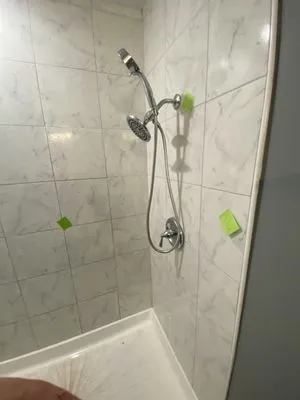
Pinnacle Plumbing
Pinnacle Plumbing is a family-owned and operated business serving Philadelphia with over 25 years of dedicated local experience. We understand that plumbing problems are more than just an inconvenienc...
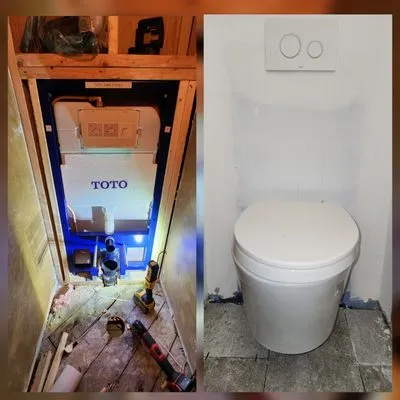
Plumbing N Things is a licensed plumbing service based in Philadelphia, PA, specializing in comprehensive residential plumbing solutions. We handle everything from routine installations and repairs to...
WJW Plumbing and HVAC is a trusted, full-service company serving Philadelphia and the surrounding area. We specialize in professional plumbing and HVAC installations, from emergency pipe repairs and w...
Glenolden Plumbing Services is a locally-owned plumbing business in Philadelphia, PA, founded in 2017 by master plumber Sabrina. With over a decade of experience, Sabrina has built a reputation for re...
County Line Plumbing & Heating
County Line Plumbing & Heating, serving Bucks and Montgomery Counties from Chalfont, is a family-owned and operated business founded in 2008 by Michael Schalek. A third-generation plumber with over 30...
Estimated Plumbing Costs in Lower Makefield, PA
Common Questions
Why do my copper pipes keep springing pinhole leaks?
Copper installed in 1981 is susceptible to a process called Type 1 pitting, accelerated by our hard water. Microscopic imperfections in the pipe wall, combined with mineral scale buildup, create localized corrosion cells. This eats through the copper from the inside out, resulting in those sudden, frustrating pinhole leaks. The age and water chemistry make this a predictable failure mode for the area.
My home in Yardley Hunt was built in 1981. What should I expect from my plumbing now?
Homes here are now 45 years old, which is a critical lifespan for copper plumbing. We consistently see pinhole leaks developing in walls and ceilings, particularly at solder joints and elbows where water flow creates turbulence. This isn't a matter of if, but when. Homeowners should budget for selective repiping, as a whole-house failure becomes a significant risk after this many decades of pressure cycles and mineral interaction.
What's the most important spring plumbing maintenance for this area?
Before the spring thaw hits its peak, disconnect and drain your garden hoses. A hose left connected traps water in the exterior bib, which can freeze during a 24-degree night and crack the pipe inside your wall. This simple, five-minute task prevents the most common and costly freeze-related leak we see in Lower Makefield's temperate but variable springs.
Does the Delaware River water cause problems for my home's plumbing?
Yes, the river is the source of our very hard water. The dissolved minerals, primarily calcium and magnesium, precipitate out as scale inside pipes and appliances. This scale drastically reduces water heater efficiency by insulating heating elements, and it restricts flow in faucet cartridges and shower valves. An annual flush of your water heater and whole-house water softener are the most effective countermeasures.
What permits are needed for a repipe or water heater replacement in Lower Makefield?
The Lower Makefield Township Building and Zoning Department requires permits for all major plumbing work, which includes inspections to ensure code compliance. As a master plumber licensed by the Pennsylvania Department of Labor and Industry, I pull these permits, schedule the inspections, and handle all documentation. My credential means the work meets state code, so you don't have to navigate the red tape yourself.
Could the low ground near the Garden of Reflection affect my home's drainage?
The low-lying terrain influences how surface and groundwater moves. If your property or the municipal main slopes toward these areas, it can create a constant hydraulic load on your main sewer line. This extra stress, combined with soil saturation, increases the risk of a lateral line collapse or joint separation over time, leading to slow drains or backups in lower-level fixtures.
As a suburban home, what are the main plumbing issues I should watch for?
Suburban systems here connect to municipal water and sewer, which introduces specific pressures. High municipal water pressure can stress aging copper joints and appliances, requiring a pressure regulator. On the sewer side, mature tree roots in park-like settings are drawn to the moisture in older clay or jointed pipe laterals, causing frequent blockages that need professional jetting or cutting.
How fast can a plumber get to my house in Lower Makefield during an emergency?
Heading past the Garden of Reflection onto I-95 gives a direct route into most neighborhoods here. From dispatch, we can typically be on-site within 30 to 45 minutes for a critical call. That routing avoids local traffic snarls, especially important when a burst pipe or failed water heater needs immediate attention to prevent extensive water damage.
