Top Emergency Plumbers in Lower Augusta Township, PA, 17801 | Compare & Call

Lower Augusta Township Emergency Plumbers
Phone : (888) 860-0649
There are 37 plumbing companies server in Lower Augusta Township PA

1776 Plumbing & Drains
1776 Plumbing & Drains is a locally owned and operated plumbing company serving Shermans Dale and all of Central Pennsylvania. Our team brings over 50 years of combined hands-on experience to every jo...

David Small
David Small provides reliable plumbing and HVAC services for Fleetwood, PA, and the surrounding area. With a comprehensive range of services, from basic faucet repair to complex sewer line excavation ...

Hydro-Therapeutics Water Conditioning
Hydro-Therapeutics Water Conditioning has been a trusted name for water quality in Schuylkill Haven and across Northeastern Pennsylvania since 1989. As a local, family-operated business, we specialize...
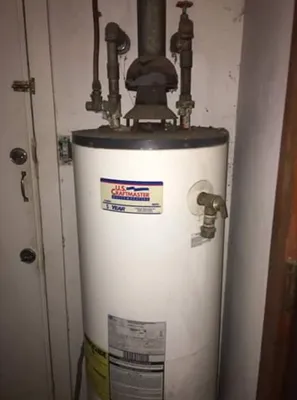
SHOOKIE'S Plumbing & Heating
Shookie's Plumbing & Heating was born from a very real, local need. When owner Shookie's own boiler broke down years ago and money was tight, he rolled up his sleeves and figured it out himself. That ...
MTCH Plumbing Service Experts is a locally owned and operated plumbing company serving Norristown and the surrounding communities. We are a team of specialists focused on providing reliable plumbing r...
DT Plumbing is your trusted local plumbing expert serving Lewisburg, PA, and surrounding areas. We specialize in comprehensive plumbing services including bathtub, shower, sink, toilet, and water heat...

Kyle Long's Plumbing and More
For over 18 years, Kyle Long has been the trusted expert behind the drill rig, servicing wells, installing pumps, and solving complex water treatment challenges throughout the Catawissa area. Driven b...

BK Plumbing & Repair is a family-owned, certified master plumbing service proudly serving the Mifflinburg community. We are fully insured and bring years of dedicated property maintenance experience t...
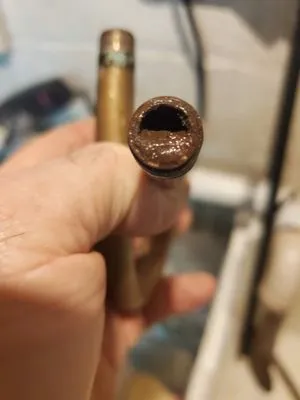
Perry's Plumbing Heating Air Conditioning
Perry's Plumbing Heating Air Conditioning has been serving the Lock Haven community for over 45 years, specializing in plumbing and heating with an additional decade of expertise in air conditioning s...
RC Heating and Cooling
RC Heating and Cooling is a certified HVAC contractor serving Williamsport, PA, and the surrounding Tioga and Lycoming County areas for nearly a decade. With expertise in HVAC, plumbing, and gas line ...
Estimated Plumbing Costs in Lower Augusta Township, PA
Frequently Asked Questions
My house in Lower Augusta Township was built in the 1960s. Should I be worried about my plumbing?
Pipes installed around 1964 are now 62 years old, which is well beyond the 40-50 year expected lifespan for galvanized steel. Homeowners in the Augusta area are seeing the final stage of corrosion: systemic failure. This often presents as widespread low water pressure from severe internal scale buildup, followed by pinhole leaks that appear simultaneously in multiple fixtures. The pipe walls are simply giving out.
What permits are needed for a water heater replacement in Lower Augusta Township?
A water heater replacement typically requires a permit from the Lower Augusta Township Zoning Office and must comply with Pennsylvania Uniform Construction Code standards. As a master plumber licensed by the Pennsylvania Department of Labor and Industry, I handle pulling the permit, scheduling the required inspections, and ensuring the installation meets all code for pressure relief, seismic straps, and proper venting. This manages the red tape for you.
How long does it take for a plumber to get to my house in this area?
Our typical dispatch from our service area starts near the Susquehanna River. Heading north on PA-147 through the township, accounting for rural roads and driveways, puts the average response at 45 to 60 minutes. We factor this travel time into our scheduling to provide you with a reliable two-hour service window.
What's the best thing to do for my plumbing before spring?
The most critical action is to locate and test your main water shut-off valve before the spring thaw. Temperatures here can still dip to 20°F, and the freeze-thaw cycle puts immense stress on aging pipes. Ensure any exposed plumbing in crawl spaces or outbuildings is properly insulated. A pro-tip is to drain and disconnect garden hoses in the fall to prevent back-fed freezing into your exterior sillcocks.
Are there different plumbing concerns for a rural home versus one in town?
The primary difference is the water source and waste system. With a private well, the entire pressure system and water quality are your responsibility. For waste, a septic system and drain field require specific maintenance to avoid backups that a municipal sewer user wouldn't face. Supply lines are often longer from the well to the house, increasing the potential for pressure drops and vulnerability to freezing.
Why do I keep getting small leaks in my pipes?
Galvanized steel from that era corrodes from the inside out. As the zinc coating degrades, rust and mineral scale accumulate, narrowing the pipe diameter. This creates uneven pressure and turbulence, leading to pinhole leaks at the thinnest points, often at threaded joints or where pipes contact joists. The calcification at joints can also make them brittle and prone to cracking.
Could the hilly land around here cause plumbing problems?
The slope affects drainage and pipe stress. A home situated on a hillside may have its main water supply line or sewer lateral running through soil that shifts with seasonal moisture, especially near the Susquehanna River basin. This can stress joints and cause misalignment. For drainage, it can create low spots in waste lines that lead to recurring clogs or backflow issues in lower fixtures.
Does having a private well with hard water damage my appliances?
Yes, it accelerates wear. Water from private wells here is typically untreated and high in minerals like calcium and magnesium. This hard water causes rapid scale buildup inside water heater tanks and on heating elements, reducing efficiency and lifespan. You'll also see it crust on faucet aerators and showerheads, restricting flow. Anode rod depletion in the water heater happens faster under these conditions.
